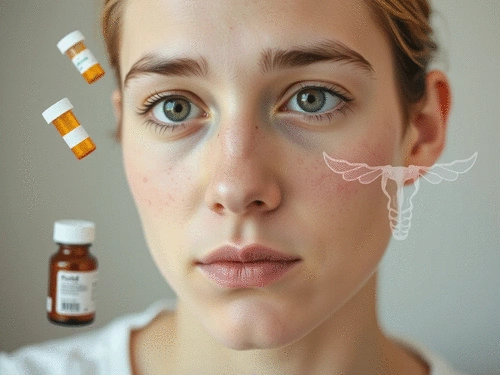
What if the medication you take or hormonal changes you're experiencing are the hidden culprits behind your acne? Understanding these connections can empower you to take charge of your skincare routine and make informed choices. Let's explore the essential insights that can help you manage hormonal acne effectively.
What You Will Learn
- Hormonal fluctuations, especially during stages like pregnancy or menopause, can significantly increase the risk of acne.
- Certain medications, including steroids and lithium, are known to trigger acne flare-ups by affecting hormone levels.
- Understanding how androgens promote sebum production helps in recognizing the biological mechanisms behind acne.
- Discontinuing hormonal birth control can lead to increased breakouts as your body readjusts its hormonal balance.
Hormones & Medications: Triggers for Acne
This visual highlights how hormonal changes and various medications can lead to acne development, categorized by key conditions and medication types.
Hormonal Triggers
- ● PCOS (Elevated Androgens)
- ● Pregnancy (Hormonal Shifts)
- ● Menopause (Decreased Estrogen)
- ● Cyclical Changes (Menstrual Cycle)
Medication-Induced Acne
- ● Steroids (Increased Oil Prod.)
- ● Lithium (Side Effect)
- ● Anticonvulsants (Exacerbation)
- ● Birth Control (Starting/Stopping)
Understanding How Medications and Hormonal Changes Cause Acne
Acne can feel like an unwelcome visitor, often sparked by hormonal changes and various medications. As a board-certified dermatologist, I’ve seen firsthand how these triggers can complicate skincare for many individuals. Let’s dive into how hormones and medications intertwine with acne to help you better understand your skin’s needs!
The Link Between Hormones and Acne: A Primer
Hormonal fluctuations can play a significant role in acne development. Conditions like polycystic ovary syndrome (PCOS), pregnancy, and menopause can lead to increased oil production and clogged pores. In my practice, I've often noticed that women experiencing hormonal changes during these periods are more prone to breakouts. Further insights into the role of hormones in acne can be found in research on endocrine factors in acne.
- PCOS: This condition often leads to elevated androgen levels, resulting in acne.
- Pregnancy: Hormonal shifts can cause skin changes, sometimes leading to acne resurgence.
- Menopause: Decreased estrogen can lead to increased oiliness and acne.
Understanding these connections is crucial for identifying when hormonal changes might be impacting your skin.
Medications That Trigger Acne: A Comprehensive Overview
Numerous medications have been linked to acne flare-ups, often due to how they influence hormone levels or skin health. Here’s a closer look at some common culprits:
Types of Medications Associated with Acne
Several medications can trigger acne, including:
- Steroids: These can increase oil production, leading to breakouts.
- Lithium: Often prescribed for bipolar disorder, it can cause acne as a side effect.
- Anticonvulsants: Some anti-seizure medications can exacerbate acne.
Knowing these links can help you and your healthcare provider make informed decisions about your treatment options.
The Role of Hormonal Birth Control in Acne Development
Hormonal birth control has a unique relationship with acne. While some forms can worsen acne, others may actually help improve it. Understanding this duality is essential for effective management.
The Impact of Oral Contraceptives on Hormonal Regulation
Oral contraceptives can influence hormonal balance significantly. They often regulate hormones that contribute to acne, making them a valuable option for some individuals. However, the choice of contraceptive matters, as different formulations can have varied effects on skin health. Information from the American Academy of Dermatology further details various acne treatments, including hormonal options.
Hormonal Triggers: Understanding Sebum Production and Clogged Pores
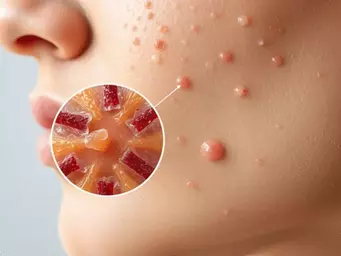
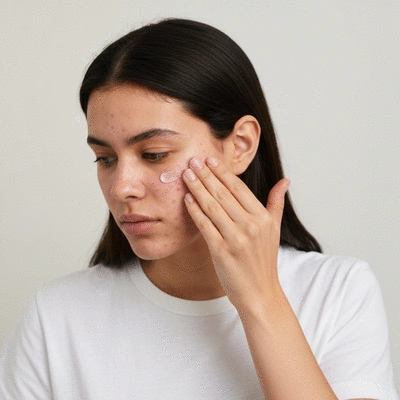
To comprehend how hormonal changes lead to acne, it’s vital to know about sebum production and clogged pores. Hormones, particularly androgens, can ramp up oil production, providing the perfect environment for acne to thrive.
How Androgens Influence Acne Formation
Androgens, like testosterone, are known for their role in stimulating sebum production. When the skin produces too much oil, it can mix with dead skin cells and bacteria, ultimately leading to clogged pores and breakouts.
Impact of Cyclical Hormonal Changes on Acne
Many individuals experience flare-ups linked to their menstrual cycle. The rise and fall of hormones during this period can trigger acne, particularly in women.
Exploring the Role of Insulin and Cortisol in Acne Development
Insulin resistance and elevated cortisol levels can also contribute to hormonal acne. High insulin levels can stimulate the sebaceous glands, leading to increased oil production, while stress-related cortisol surges can worsen inflammation.
Unique Perspectives on Medication-Induced Acne
Understanding the nuances of medication-induced acne can provide deeper insights into treatment. I often hear about challenges faced by women experiencing acne for the first time in adulthood, often after starting or stopping certain medications.
Understanding Adult-Onset Acne: Factors and Insights
Adult-onset acne can arise from various factors, including hormonal fluctuations triggered by medications. Women may find themselves battling acne for the first time later in life, which can be frustrating.
Exploring the Effects of Discontinuing Birth Control on Acne
Many women notice increased breakouts after discontinuing hormonal contraceptives. This can be attributed to the body’s adjustment period as it re-establishes its natural hormonal balance.
Identifying Common Acne Triggers Related to Medication
Some medications might not directly cause acne but can exacerbate existing issues. Identifying these triggers is crucial for effective acne management. A study on medication-induced acneiform eruptions offers comprehensive details on this topic.
Effective Treatment Options for Hormonal Acne
Fortunately, there are various treatment options available for managing hormonal acne. Tailoring your approach to your specific skin needs is essential.
Medications and Therapies: Finding Relief
- Retinoids: Promote cell turnover and prevent clogged pores.
- Hormonal therapies: Help regulate hormone levels and reduce acne.
- Antibiotics: Reduce inflammation and fight bacteria.
- Topical treatments: Salicylic acid and benzoyl peroxide are great for spot treatment.
It’s essential to find a regimen that works for your skin type, and consulting a dermatologist can provide personalized solutions.
Exploring Non-Hormonal Alternatives
There are also several non-hormonal treatments available for those who prefer to avoid hormonal therapies. From natural remedies to topical treatments, options abound for effectively managing acne.
Developing a Skincare Routine for Hormonal Acne Management
Creating an effective skincare routine tailored to your hormonal acne is vital. Focus on gentle cleansers, non-comedogenic moisturizers, and daily sunscreen to protect your skin while treating it.
Pro Tip
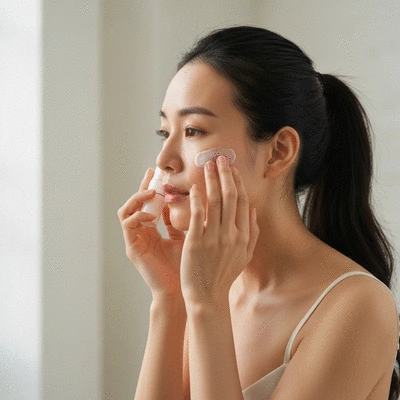
Did you know? Keeping a skincare journal can be a game changer for managing hormonal acne. By tracking your products, diet, and stress levels alongside your skin's response, you can identify patterns and triggers more effectively. This insight can empower you to make informed choices in your skincare routine!
Frequently Asked Questions About Hormones, Medications, and Acne
- Q: What are the primary hormonal conditions that can cause acne?
- A: Conditions like Polycystic Ovary Syndrome (PCOS), pregnancy, and menopause are primary hormonal conditions that can trigger acne due to significant hormonal shifts.
- Q: Which medications commonly trigger acne flare-ups?
- A: Steroids, lithium, and certain anticonvulsants are known to trigger or exacerbate acne. Hormonal birth control can also either worsen or improve acne depending on the formulation and individual.
- Q: How do androgens contribute to acne formation?
- A: Androgens (like testosterone) stimulate the sebaceous glands to produce more sebum (oil). This excess oil can mix with dead skin cells and bacteria, leading to clogged pores and subsequent acne breakouts.
- Q: Can discontinuing birth control cause acne?
- A: Yes, many women may experience increased breakouts after discontinuing hormonal contraceptives. This is often due to the body's readjustment period as it works to re-establish its natural hormonal balance.
- Q: What are some effective treatment options for hormonal acne?
- A: Effective treatment options include retinoids, hormonal therapies (like oral contraceptives or spironolactone), antibiotics, and topical treatments such as salicylic acid and benzoyl peroxide. Consulting a dermatologist for a personalized plan is highly recommended.
Summarizing the Connection Between Hormones, Medications, and Acne
Understanding the intricate connection between hormones, medications, and acne is crucial for anyone experiencing skin issues. Throughout this article, we've explored how hormonal fluctuations—stemming from conditions like PCOS, pregnancy, and menopause—can trigger acne outbreaks. Additionally, we’ve examined how various medications can exacerbate these skin concerns by influencing hormonal levels and sebum production.
It’s essential to recognize that both hormonal changes and certain medications can lead to unwanted breakouts. By knowing these connections, individuals can take proactive steps toward managing their skin health more effectively. Here’s a quick recap of the key points:
- Hormonal changes play a significant role in acne development, especially during key life stages.
- Specific medications, including some hormonal contraceptives, can either alleviate or worsen acne symptoms.
- Understanding the biological mechanisms behind sebum production can help tailor acne treatments.
- Identifying triggers related to medications can empower individuals to communicate effectively with healthcare providers.
Next Steps: Managing Hormonal Acne Effectively
If you're navigating the complexities of hormonal acne, it’s important to consult with your healthcare professional for personalized treatment options. They can provide insights and guidance tailored to your unique situation. Furthermore, consider exploring lifestyle changes such as:
- Maintaining a balanced diet rich in whole foods and low in processed sugars.
- Incorporating stress-management techniques like yoga or meditation.
- Establishing a consistent skincare routine that includes non-comedogenic products.
These adjustments can significantly impact the health of your skin! Remember, you're not alone in this journey; countless individuals face similar challenges and can benefit from shared knowledge and support.
Join the Conversation: Share Your Experience with Hormonal Acne
We’d love to hear from you! Have you experienced hormonal acne related to medications or lifestyle changes? Sharing your story can create a sense of community and help others who might be struggling with similar issues. Please leave your comments below, and let’s foster a supportive environment where we can learn and grow together on our journey to clearer skin!
Recap of Key Points
Here is a quick recap of the important points discussed in the article:
- Hormonal changes significantly contribute to acne development, particularly during key life stages such as PCOS, pregnancy, and menopause.
- Certain medications, including some hormonal contraceptives, can either alleviate or worsen acne symptoms, highlighting the need for informed treatment choices.
- Understanding the biological mechanisms behind sebum production is crucial for tailoring effective acne treatments.
- Identifying medication-related triggers empowers individuals to communicate effectively with their healthcare providers for better acne management.