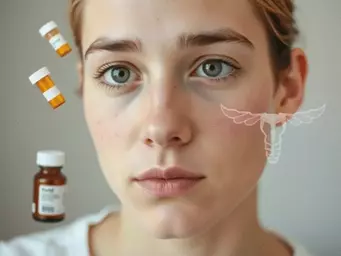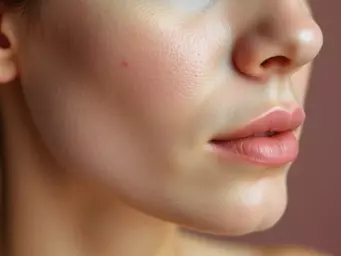
Have you ever looked in the mirror and noticed a breakout that left you feeling frustrated? Understanding acne is the first step toward clearer skin. This article demystifies the complexities of acne, empowering you to take control of your skincare journey.
What You Will Learn
- Acne is not limited to teenagers; it can affect anyone, regardless of age or skin type.
- Understanding the different types of acne—comedonal, inflammatory, cystic, and hormonal—can help you choose the right treatment.
- Hormonal changes, stress, and dietary factors can trigger acne flare-ups, making awareness of these factors crucial in managing your skin.
- Consulting a dermatologist is essential for persistent or severe acne, as they can provide tailored treatment options and lifestyle advice.
- Evaluating product ingredients is key; look for effective active ingredients while avoiding harsh chemicals that can worsen acne.
- For severe cases, prescription medications such as topical retinoids, oral antibiotics, and hormonal treatments may be necessary.
Understanding Acne Types and Triggers
Acne manifests in various forms, each with distinct characteristics and triggers. Identifying your specific type is crucial for effective treatment.
Common Acne Types
- Comedonal: Blackheads & whiteheads.
- Inflammatory: Red, swollen papules & pustules.
- Cystic: Severe, painful cysts under skin.
Non-inflammatory to most severe
Hormonal Acne Triggers
- Menstrual Cycles: Fluctuations impact oil.
- Stress Levels: Increases hormone activity.
- Dietary Choices: High sugar/dairy intake.
- Medications: Certain contraceptives.
Key factors influencing breakouts
Understanding Acne: Types and Causes
Have you ever looked in the mirror and noticed a breakout that left you feeling frustrated? Understanding acne is the first step toward clearer skin. Acne is not just a skin issue; it's a complex condition that can arise from various factors. Let's explore what acne really is and how it develops, so you can feel empowered on your skincare journey!
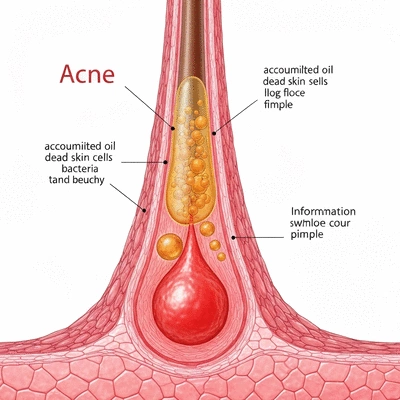
Acne forms when hair follicles become clogged with oil and dead skin cells. This process creates a perfect environment for bacteria to thrive, leading to inflammation and the appearance of pimples. It's essential to recognize that acne isn't just a teenage problem; it can affect people of all ages and skin types.
What is Acne and How Does it Develop?
Acne isn't a one-size-fits-all condition; it manifests differently for everyone. Typically, it occurs due to a combination of excess oil production, hormonal fluctuations, and the presence of bacteria on the skin. Understanding these components allows you to tackle the root causes more effectively. For detailed insights into acne development and management, you can refer to the latest research on acne pathogenesis.
When the skin produces too much oil, it can lead to clogged pores. This is where bacteria come into play—specifically, *Propionibacterium acnes*, which can cause inflammation and lead to more severe breakouts. As a board-certified dermatologist, I’ve seen firsthand how crucial it is to address both the oil and bacteria to achieve clearer skin.
The Different Types of Acne: Identifying Your Skin Condition
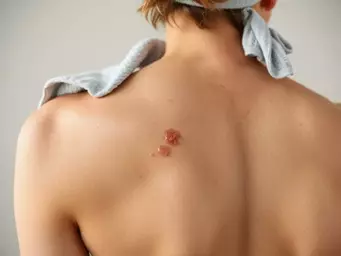
Acne comes in various forms, and identifying which type you have is essential for effective treatment. Here’s a quick guide to the most common types of acne:
- Comedonal Acne: These are non-inflammatory lesions, including blackheads and whiteheads.
- Inflammatory Acne: This includes pustules and papules that appear red and swollen.
- Cystic Acne: The most severe form, characterized by large, painful cysts under the skin.
- Hormonal Acne: Often linked to fluctuations in hormones, typically seen in teens and adults.
By recognizing your specific type of acne, you can choose the appropriate treatments, which I detail further throughout this guide!
Hormonal Acne: Understanding Its Causes and Triggers
Hormonal acne can be particularly frustrating, as it often appears during specific life stages, such as puberty, menstruation, or pregnancy. Hormonal fluctuations can stimulate oil production in your skin, leading to breakouts. This phenomenon is extensively discussed in recent studies on hormonal influences on acne. It’s essential to recognize these triggers so you can take action!
Here are some common triggers for hormonal acne:
- Menstrual cycle changes
- Stress levels
- Dietary choices, particularly high sugar or dairy intake
- Medications, such as certain contraceptives
Understanding your hormonal triggers can significantly impact how you manage your acne, allowing for more tailored solutions that I discuss in later sections.
Frequently Asked Questions (FAQs)
- Q: What is acne and how does it develop?
- A: Acne is a skin condition that occurs when hair follicles become clogged with oil and dead skin cells, creating an environment for bacteria to thrive, which leads to inflammation and pimples. It develops due to excess oil production, hormonal fluctuations, and bacteria.
- Q: What are the different types of acne?
- A: The main types of acne include Comedonal (blackheads, whiteheads), Inflammatory (red, swollen papules and pustules), Cystic (severe, painful cysts), and Hormonal (linked to hormonal fluctuations).
- Q: What causes hormonal acne?
- A: Hormonal acne is triggered by fluctuations in hormones, which stimulate oil production. Common triggers include menstrual cycle changes, stress, dietary choices (like high sugar/dairy intake), and certain medications.
- Q: When should I consult a dermatologist for my acne?
- A: You should consult a dermatologist if your acne is persistent, doesn't respond to over-the-counter treatments, or if you are unsure about your skin type and the best course of action. They can provide personalized assessments and treatment plans.
- Q: What ingredients should I look for and avoid in acne products?
- A: Look for active ingredients like salicylic acid, benzoyl peroxide, and niacinamide. Avoid harsh chemicals such as alcohol and synthetic fragrances, as they can irritate your skin. Opt for non-comedogenic products.
We Want to Hear From You!
What do you think about the various causes of acne? Have you identified any specific triggers that affect your skin? Share your thoughts below:
Practical Steps to Choose the Right Acne Treatment
Choosing the right acne treatment can feel overwhelming, especially with so many options available. To help you navigate this process, I recommend starting with consultation with a dermatologist. After all, personalized advice can make a significant difference in your skincare journey! Let’s dive into the practical steps you can take to find the best acne treatment tailored for your unique skin needs.

Consulting with a Dermatologist: When and Why
So, when should you seek help from a dermatologist? If you're dealing with persistent acne that doesn't respond to over-the-counter treatments, or if you're uncertain about your skin type and the best course of action, it’s time for a professional assessment. A dermatologist can:
- Evaluate your skin condition and identify underlying causes.
- Recommend effective treatment options based on your specific skin type. The American Academy of Dermatology (AAD) provides updated guidelines for acne management, which dermatologists use to provide the best care.
- Provide insights into lifestyle changes that can enhance your skincare regimen.
Trust me, consulting with a dermatologist is an empowering step in your path toward achieving clearer skin!
Evaluating Product Ingredients: What to Look For and Avoid
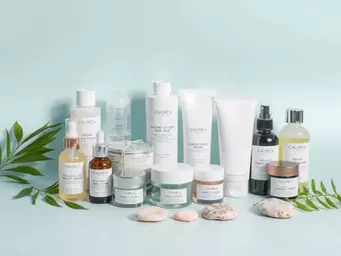
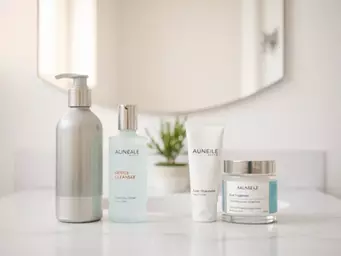
When it comes to acne treatments, understanding product ingredients is crucial. Here’s a quick guide to help you make informed decisions:
- Look for: Active ingredients like salicylic acid, benzoyl peroxide, and niacinamide, which can effectively combat acne.
- Avoid: Harsh chemicals such as alcohol and synthetic fragrances, which can irritate your skin and worsen acne.
- Opt for: Non-comedogenic products that won’t clog your pores.
By evaluating these ingredients, you can better align your product choices with your skin's needs, leading to improved results.
Understanding Prescription Medications: When They Are Necessary
Sometimes, over-the-counter options just aren’t enough. If your acne is severe or persistent, prescription medications might be necessary. Here are some common types of prescription treatments:
- Topical retinoids: Help unclog pores and promote cell turnover.
- Oral antibiotics: Target bacteria and reduce inflammation.
- Hormonal treatments: Address acne related to hormonal imbalances.
It's important to have an open discussion with your dermatologist about the potential benefits and side effects of these medications. Understanding the role of prescription options can empower you to make choices that lead to clearer skin!
Recap of Key Points
Here is a quick recap of the important points discussed in the article:
- Acne is a complex skin condition caused by clogged pores, excess oil, and bacteria.
- Identify the type of acne (comedonal, inflammatory, cystic, hormonal) for effective treatment.
- Hormonal fluctuations can trigger acne; recognize personal triggers for better management.
- Consulting a dermatologist is crucial for persistent or severe acne; they can provide personalized treatment options.
- Evaluate product ingredients; look for beneficial active ingredients and avoid harsh chemicals.
- Prescription medications may be necessary for severe acne; discuss options with a dermatologist.