Have you ever wondered how stress might be impacting your skin? The intricate relationship between stress and acne is more significant than you might think, influencing both physical appearance and emotional health. Understanding these connections can empower you to take control of your skincare journey.
What You Will Learn
- Stress is linked to increased acne severity, particularly due to the hormone cortisol.
- Cortisol spikes during stress lead to heightened oil production and inflammation in the skin.
- The acne-stress cycle is bidirectional; stress can worsen acne, and acne can escalate psychological stress.
- Utilizing relaxation techniques, such as mindfulness and deep breathing, can help manage stress and reduce acne flare-ups.
- Behavioral therapy can effectively address the emotional challenges associated with acne, improving mental well-being.
- Personalized skincare routines considering individual stress levels can enhance outcomes for different demographics.
The Bidirectional Relationship Between Stress and Acne
The visual below illustrates how stress can exacerbate acne, and how acne can, in turn, increase psychological stress, creating a continuous cycle.
Stress Triggers Acne Flare-ups
- • Increased Cortisol
- • More Oil Production
- • Increased Inflammation
Acne Increases Psychological Stress
- • Emotional Distress
- • Reduced Self-Esteem
- • Social Anxiety
Understanding the Connection Between Stress and Acne
Have you ever noticed how stress can seem to trigger a breakout? You're not alone! Research increasingly shows a strong connection between stress levels and the severity of acne. Let’s delve into the clinical studies that highlight this relationship, examining how stress impacts various demographics.
What Does Research Say About Stress and Acne?
Numerous studies suggest that stress can exacerbate acne conditions. For example, a study conducted on college students indicated that those with higher perceived stress levels reported more severe acne. Cortisol, the hormone released during stressful situations, plays a significant role in this relationship. It prompts increased oil production and inflammation, both of which are key contributors to acne flare-ups.
- Clinical studies link high stress and increased acne severity.
- Research considers the influence of demographics, such as age and gender.
- Perceived stress scales are often used to measure stress levels in studies.
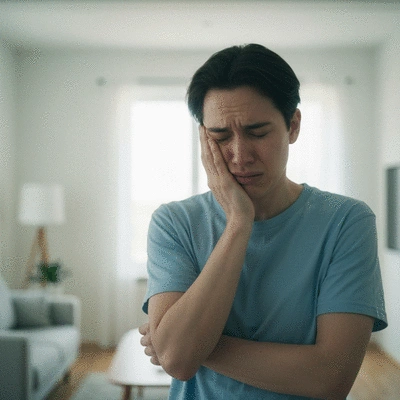
Research findings show that individuals from different backgrounds can experience varying degrees of stress-related acne, underscoring the need for tailored skincare approaches. At Acne Clarity Hub, we believe understanding these nuances empowers you to take control of your skin.
The Role of Cortisol in Acne Development
Cortisol is often nicknamed the “stress hormone” due to its role in the body’s fight-or-flight response. When you're stressed, cortisol levels spike, which can lead to increased oil production in your skin. This excess oil, combined with inflammation, creates the perfect storm for acne development.
Knowing how cortisol affects your skin can help you take proactive steps in your skincare routine! For instance, incorporating calming practices may help manage cortisol levels and, in turn, reduce acne flare-ups.
The Acne-Stress Cycle: How One Affects the Other
It's essential to recognize that the relationship between acne and stress is bidirectional. Just as stress can worsen acne, having acne can increase psychological stress. This cycle can be tough; the more stressed you feel about your skin, the more likely you are to experience breakouts.
- Stress can trigger acne flare-ups, causing physical discomfort.
- Acne can lead to emotional distress and reduced self-esteem.
- Breaking this cycle is crucial for overall skin and mental health.
At Acne Clarity Hub, we’re here to support you in understanding and managing this cycle. By addressing both stress and acne, you can work toward achieving clearer skin and a healthier mindset!
The Psychological Impact of Acne on Mental Health
Living with acne isn’t just a physical challenge; it also affects mental health significantly. Many individuals experience heightened anxiety and diminished self-esteem due to their skin condition. Let’s explore how these emotional challenges manifest and ways to address them.
Emotional Challenges Associated with Acne
Acne can take a toll on mental health, leading to feelings of insecurity and social anxiety. It’s common for those struggling with acne to feel isolated or withdrawn, as the condition can impact daily activities and interpersonal relationships. Understanding these emotional challenges is the first step towards overcoming them.
Understanding Psychological Stress and Its Effect on Skin
Just as acne affects your emotional well-being, psychological stress can lead to physical symptoms, including skin flare-ups. Studies show that individuals who practice stress management techniques often see improvements in their skin. This connection reinforces the importance of supporting both your mental and physical health!
Quality of Life and Skin Conditions: Understanding the Effects
When acne affects your self-esteem and overall quality of life, it’s important to address it holistically. Acknowledging how skin conditions impact mental health can be a game-changer. Seeking out support, whether through therapy or community, can help individuals feel less alone in their journey toward clearer skin.
Frequently Asked Questions About Stress and Acne
- Q: How does stress cause acne?
- A: Stress can cause acne by increasing the production of cortisol, a hormone that leads to heightened oil production and inflammation in the skin, which are key factors in acne development.
- Q: Is the relationship between stress and acne a one-way street?
- A: No, the relationship is bidirectional. Stress can worsen acne, and in turn, the presence of acne can significantly increase psychological stress, creating a continuous cycle.
- Q: What role does cortisol play in stress-related acne?
- A: Cortisol, often called the "stress hormone," spikes during stressful periods, leading to increased sebum (oil) production and inflammation in the skin, which are primary contributors to acne flare-ups.
- Q: Can managing stress improve my acne?
- A: Yes, numerous studies and anecdotal evidence suggest that practicing stress management techniques, such as mindfulness and deep breathing, can help reduce cortisol levels, leading to fewer acne flare-ups and improved skin health.
- Q: What are some effective ways to manage stress that can also benefit my skin?
- A: Effective stress management techniques include deep breathing exercises, progressive muscle relaxation, guided imagery, mindfulness meditation, and behavioral therapies like CBT. These methods can reduce stress-induced inflammation and oil production.
- Q: How does acne affect mental health?
- A: Acne can significantly impact mental health by causing emotional distress, reduced self-esteem, social anxiety, and feelings of isolation. Addressing these psychological aspects is crucial for overall well-being.
- Q: Can therapy help with stress-related acne?
- A: Yes, behavioral therapies, such as Cognitive Behavioral Therapy (CBT), can help individuals reframe negative thoughts related to their skin condition, reduce anxiety, and develop coping strategies, thereby improving both mental health and potentially reducing stress-related acne.
We Want to Hear From You!
How do you manage stress in your daily life? What techniques have you found most effective for reducing stress-related acne? Share your thoughts below:
Integrating Holistic Approaches for Better Skin and Mind
When it comes to managing acne, it’s essential to view it through a holistic lens. This means not just addressing the skin but also considering emotional and psychological well-being. At Acne Clarity Hub, I believe that integrating various approaches can lead to improved outcomes for both skin and mind. Let’s delve into some effective methods!
The Role of Biofeedback and Relaxation Techniques
Biofeedback and relaxation techniques can be powerful tools in breaking the acne-stress cycle. These methods help individuals become more aware of their body’s responses and learn to manage stress effectively. By promoting relaxation, you can significantly reduce the inflammatory responses that lead to acne flare-ups. Research published in Nature Communications highlights the connection between stress and skin health, further emphasizing the importance of these techniques.
- Deep Breathing Exercises: Simple yet effective for calming the mind.
- Progressive Muscle Relaxation: Helps release tension in the body.
- Guided Imagery: Visualizing peaceful scenarios can enhance relaxation.
- Mindfulness Meditation: Encourages living in the moment, reducing anxiety.
Implementing these techniques can lead to greater emotional resilience. As you practice, you may notice a reduction in both stress levels and acne severity. Remember, it’s about finding what works best for you!
Behavioral Therapy and Its Impact on Acne Management
Behavioral therapy can have a profound impact on managing the psychological aspects of living with acne. Therapies such as cognitive behavioral therapy (CBT) can help individuals reframe negative thoughts related to their skin condition, reducing anxiety and boosting self-esteem. A study in Frontiers in Psychology discusses how psychological interventions can positively influence skin conditions.
- Identifying Negative Thought Patterns: Learning to recognize and challenge harmful beliefs.
- Developing Coping Strategies: Finding healthy ways to deal with stress and anxiety.
- Building Self-Compassion: Encouraging a kinder inner dialogue.
By addressing the emotional components of acne, behavioral therapy can enhance overall treatment outcomes. It's an essential part of a comprehensive approach to skincare that I often recommend to my patients.
Case Studies: Diverse Perspectives on Stress and Acne Management
To better understand the connection between stress and acne, let’s look at a few case studies that highlight different experiences and strategies. These real-life examples demonstrate how unique approaches can yield positive results.
- Teen Student: A high school student managed her stress through art therapy, which not only helped her cope emotionally but also improved her skin condition.
- Working Professional: A young professional adopted a mindfulness practice and noticed a significant reduction in stress-related breakouts.
- College Athlete: An athlete incorporated physical activity and nutrition adjustments, leading to improvements in both mood and skin clarity.
These case studies emphasize that there’s no one-size-fits-all solution. Each individual can find success through different paths, and I encourage everyone to explore these options.
Wrapping Up: The Importance of a Comprehensive Approach
As we’ve explored in this section, incorporating holistic strategies can enhance both skin health and emotional well-being. At Acne Clarity Hub, my goal is to empower individuals with the knowledge they need to tackle both aspects of their health effectively.
Summary of Key Insights on Stress and Acne
We’ve discussed the significant connections between stress and acne, the roles of relaxation techniques and therapy, and shared diverse case studies. It’s clear that a holistic approach is essential for effective management.
Encouraging a Balanced Approach to Skin and Mental Health
As you move forward, I invite you to embrace a balanced approach to your skin and mental health. Combining dermatological and psychological care can lead to optimal outcomes. Remember, you’re not alone in this journey—embracing both skin and mind is a powerful step toward achieving the clarity and confidence you deserve!
Recap of Key Points
Here is a quick recap of the important points discussed in the article:
- Stress is closely linked to the severity of acne, with cortisol playing a significant role in exacerbating breakouts.
- The relationship between stress and acne is bidirectional, as acne can also lead to increased psychological stress.
- Incorporating stress management techniques, such as deep breathing and mindfulness, can improve both skin health and emotional well-being.
- Behavioral therapy can help individuals reframe negative thoughts about their skin, boosting self-esteem and reducing anxiety.
- A holistic approach to acne management that addresses both skin and mental health is essential for effective treatment.