Understanding the root causes of acne can be the key to effective treatment. With the right knowledge, you can unlock the mysteries behind those frustrating breakouts. Let’s take a closer look at the insights that can empower your skincare journey.
What You Will Learn
- Follicular Blockage: Clogged pores from excess oil and dead skin cells are a primary trigger for acne development.
- C. acnes Involvement: The *Cutibacterium acnes* bacteria, while normally harmless, can cause inflammation when in clogged follicles.
- Inflammation Response: The body's inflammatory response to acne factors often exacerbates symptoms, leading to varied types of acne.
- Hormonal Influence: Hormonal fluctuations significantly affect sebum production and may explain why some individuals experience more severe acne.
- Skin Microbiome Importance: Maintaining a healthy skin microbiome is crucial for preventing acne and promoting overall skin health.
- Gentle Exfoliation: Addressing hyperkeratinization through gentle exfoliation can help reduce blockages and improve skin clarity.
The Four Core Factors Driving Acne Formation
Understanding acne requires us to look at the four core factors that drive its formation. Each factor plays a significant role in how acne develops and persists.
Increased Sebum Production
Excess oil production clogs pores, setting the stage for acne.
Learn MoreFollicular Hyperkeratinization
Accumulation of dead skin cells blocks follicles, trapping sebum.
Learn MoreC. acnes Involvement
Bacteria proliferate in clogged follicles, triggering inflammation.
Learn MoreInflammation
The body's immune response to acne factors, causing redness and swelling.
Learn MoreDeciphering Acne Mechanisms: The Role of Follicular Blockage and Bacterial Involvement
Have you ever wondered why acne seems to appear out of nowhere? Understanding the mechanisms behind acne formation is crucial for effectively managing and treating it. At Acne Clarity Hub, we believe that deciphering the role of follicular blockage and bacterial involvement will empower you on your skincare journey!
Acne isn’t just a random occurrence; it’s a complex interplay of factors. By grasping these mechanisms, you can make informed skincare decisions. Let's delve deeper into how these components work together to form the basis of acne.
Understanding the Basics of Acne Formation
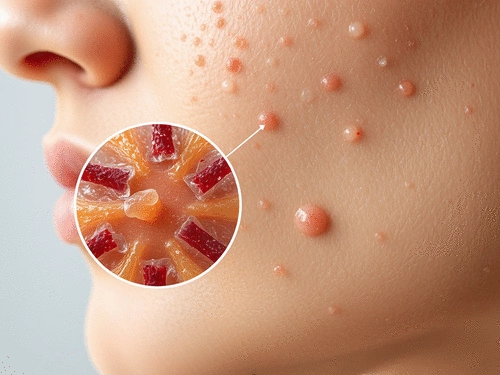
To truly understand acne, we need to start with its basic formation. It often begins in the hair follicles, where oil and dead skin cells can build up and create blockages. When these follicles become clogged, they can also become a breeding ground for bacteria, leading to inflammation and breakouts.
- Follicular blockage: a key factor in acne development
- Bacterial involvement: how *Cutibacterium acnes* plays a role
- Inflammation: the body's response to acne
This foundational knowledge is essential for recognizing the different types of acne and understanding why certain treatments may work better than others. Now, let’s explore the core factors contributing to acne!
The Core Four-Factor Model of Acne
Understanding acne requires us to look at the four core factors that drive its formation. Each factor plays a significant role in how acne develops and persists:
- Increased sebum production
- Follicular hyperkeratinization
- Bacterial involvement, particularly with *C. acnes*
- Inflammation within the skin
These elements intertwine to create the perfect storm for acne. Let’s break down each of these factors to see how they contribute to breakouts.
Increased Sebum Production: How It Contributes to Acne
Sebum is our skin's natural oil, and it serves an important purpose. However, when hormonal changes—like those during puberty—lead to increased sebum production, it can become problematic. The excess oil can clog pores, setting the stage for acne to develop. This phenomenon is extensively studied, with resources like the National Institutes of Health (NIH) providing comprehensive insights into its mechanisms.
It's essential to recognize that while sebum is necessary for healthy skin, too much of it can lead to unwanted breakouts. Understanding this balance is key to effective skincare routines!
Follicular Hyperkeratinization: The Process of Blockage

Follicular hyperkeratinization refers to the accelerated shedding of skin cells within the hair follicle. When these dead skin cells accumulate, they can block the follicle, trapping sebum and creating an environment ripe for acne. This process is a major contributor to how acne forms, as detailed by the American Academy of Dermatology (AAD).
This blockage is a critical step in the acne formation process. By addressing hyperkeratinization through gentle exfoliation and proper skincare products, we can help reduce the likelihood of breakouts!
The Role of Cutibacterium acnes in Acne Development
*Cutibacterium acnes*, often referred to as *C. acnes*, is a type of bacteria that naturally lives on our skin. While it's a normal part of our skin microbiome, it can become problematic when it proliferates in clogged follicles. This can trigger an inflammatory response, leading to redness and swelling. The role of bacteria like *C. acnes* in skin conditions is also highlighted by the Centers for Disease Control and Prevention (CDC).
It’s fascinating how a bacterium that usually helps maintain skin health can contribute to acne under certain conditions! Understanding this dynamic is crucial for developing effective treatment strategies.
Understanding the Skin Microbiome and its Impact on Acne
The skin microbiome is the community of microorganisms living on our skin, and it plays a vital role in our skin's health. When the balance of this microbiome is disrupted, a phenomenon known as microbial dysbiosis occurs, which can worsen acne severity.
- Microbial diversity: important for skin health
- Disruption of balance: how it can trigger acne
- Importance of a healthy microbiome in treatment
By focusing on skincare that nurtures our microbiome, we can create a healthier environment for our skin, potentially reducing acne outbreaks!
Inflammation: The Body's Response to Acne
When *C. acnes* thrives in clogged follicles, it can lead to an inflammatory response. This response is a part of our body's natural defense mechanism, but it often manifests as the redness and swelling we associate with acne.
Understanding this inflammatory process helps us realize why treatments that target inflammation can be particularly effective in alleviating acne symptoms.
Hormonal and Endocrine Contributions to Acne
Hormones play a significant role in acne development, especially during periods of hormonal fluctuation. By examining how these hormonal changes influence sebum production and keratinization, we can gain insight into why some individuals may experience more severe acne than others.
Frequently Asked Questions About Acne
- What are the four core factors driving acne formation?
The four core factors are increased sebum production, follicular hyperkeratinization (clogged pores), *Cutibacterium acnes* involvement, and inflammation. - How does increased sebum production contribute to acne?
Excess sebum (skin oil) can clog pores, creating an environment where acne-causing bacteria can thrive and inflammation can occur. - What is follicular hyperkeratinization?
It's the accelerated shedding and accumulation of dead skin cells within hair follicles, leading to blockages that trap sebum and bacteria. - What role does *Cutibacterium acnes* play in acne?
While naturally present on the skin, *C. acnes* can proliferate in clogged follicles, triggering an inflammatory response that causes redness and swelling associated with acne. - Can hormones affect acne?
Yes, hormonal fluctuations, especially during puberty, can significantly influence sebum production and keratinization, impacting the severity of acne. - Why is the skin microbiome important for acne prevention?
A balanced skin microbiome is crucial for healthy skin. Disruptions in this balance (microbial dysbiosis) can worsen acne, making nurturing the microbiome important for prevention.
We Want to Hear From You!
What do you think about the role of diet in managing acne? Share your thoughts below:
Summarizing the Complexities of Acne Mechanisms
In this journey through the multifaceted world of acne, we've uncovered how the mechanisms intertwine. It's clear that follicular blockage, the presence of C. acnes, and inflammatory responses work together to create the acne we often face. These elements are not isolated; they interact in ways that can exacerbate or alleviate the condition, demonstrating that understanding acne requires a holistic approach.
- Follicular Blockage: Increased sebum and hyperkeratinization can lead to clogged pores.
- C. acnes Involvement: This commensal bacteria can trigger inflammation, turning a simple blockage into a more serious issue.
- Inflammatory Responses: The body's reaction to these factors can worsen the symptoms, leading to varied forms of acne.
By recognizing these connections, we can start to see how treatments targeting one or more of these mechanisms might be the key to clearer skin. At the Acne Clarity Hub, my goal is to equip you with the knowledge to navigate these complexities and make informed decisions about your skincare journey.
Take Action: Understanding and Managing Your Acne
The first step to managing your acne is understanding what it is and how it affects your skin. I encourage you to reflect on your own skincare practices and consider how lifestyle choices might be influencing your acne. Here are a few steps you can take:
- Explore Your Questions: Don't hesitate to jot down any questions you have about your acne or skincare routine.
- Assess Your Diet: Consider how what you eat might be impacting your skin. Are there foods that seem to trigger breakouts?
- Consult Professionals: Reach out to a healthcare provider or a dermatologist for personalized advice. They can help tailor a treatment plan just for you!

Remember, managing acne is a journey, and there is no one-size-fits-all solution. Here at Acne Clarity Hub, we are committed to helping you find the right path to achieving healthier, clearer skin. Let’s embark on this journey together! If you have any thoughts or experiences you’d like to share, I’d love to hear about them!
Recap of Key Points
Here is a quick recap of the important points discussed in the article:
- Follicular Blockage: Increased sebum production and hyperkeratinization can lead to clogged pores, a primary factor in acne development.
- C. acnes Involvement: This bacterium can trigger inflammation when it proliferates in clogged follicles, exacerbating acne symptoms.
- Inflammatory Responses: The body's natural reaction to these factors can worsen symptoms, highlighting the importance of anti-inflammatory treatments.
- Understanding Hormonal Contributions: Hormonal fluctuations can significantly influence sebum production and keratinization, impacting acne severity.
- Microbiome Health: Maintaining a balanced skin microbiome is crucial for reducing acne severity and promoting overall skin health.