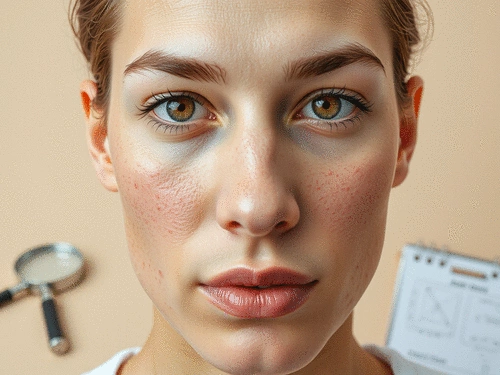
Understanding nodular acne can be a turning point in your skincare journey, leading to effective treatments and clearer skin. Let’s delve into the essential insights that can empower you in managing this challenging condition.
What You Will Learn
- Nodular acne forms deep beneath the skin, resulting in large, painful lumps that differ from milder forms of acne like blackheads and whiteheads.
- Common symptoms include hard lumps, tenderness, redness, and potential scarring if not treated early.
- Clogged pores and bacterial growth are primary causes of nodular acne, often exacerbated by hormonal fluctuations and lifestyle factors.
- Proactive management strategies, including gentle skincare practices and early dermatologist consultations, can significantly reduce the risk of scarring.
Nodular Acne: Key Differences and Causes
Understanding the distinctions between various acne types and their underlying causes is crucial for effective treatment. Below is a comparison of common acne types and an overview of factors contributing to nodular acne development.
Acne Type Comparison
Nodular Acne: Deep, painful lumps under the skin.
Cystic Acne: Similar but pus-filled, more widespread, prone to scarring.
Acne Vulgaris: Less severe, includes blackheads and whiteheads.
Causes of Nodular Acne
Clogged Pores: Dead skin cells + excess oil block follicles.
P. acnes Bacteria: Thrives in blocked pores, causing inflammation.
Hormonal Fluctuations: Increase oil production, especially during puberty/menstruation.
Genetic Predisposition: Family history can increase susceptibility.
Nodular Acne Explained: Understanding Its Characteristics
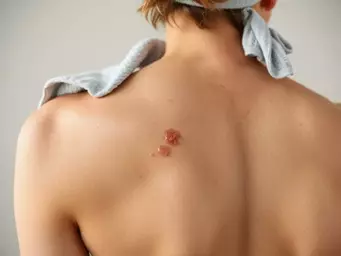
Nodular acne can be one of the most challenging forms of acne to deal with. It's essential to recognize its characteristics so we can approach treatment effectively. But what exactly is nodular acne? In simple terms, it's a type of acne that forms deep beneath the skin, resulting in large, painful lumps. Unlike other forms of acne, nodular acne doesn’t surface easily, making it a frustrating experience for many.
At Acne Clarity Hub, we aim to empower you with knowledge about these skin conditions. Understanding nodular acne is the first step toward managing it effectively!
Defining Nodular Acne and Its Distinction from Other Types
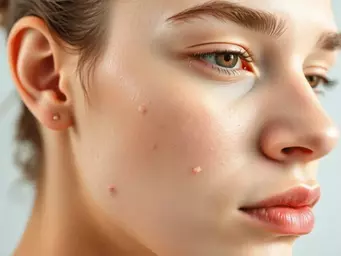
Nodular acne is characterized by its firm, painful nodules that form under the skin. These nodules can be large and inflamed, leading to discomfort and sometimes scarring. It’s important to differentiate nodular acne from other types of acne, such as whiteheads, blackheads, and papules, which are typically less severe and not as painful.
- Nodular Acne: Deep, painful lumps beneath the skin.
- Cystic Acne: Similar to nodular acne but filled with pus and more widespread. For a detailed comparison of nodular and cystic acne, you can refer to resources like DermNet NZ's information on nodulocystic acne.
- Acne Vulgaris: The most common form, including blackheads and whiteheads.
By identifying the type of acne you’re dealing with, you can choose the most effective treatment options tailored to your skin’s needs.
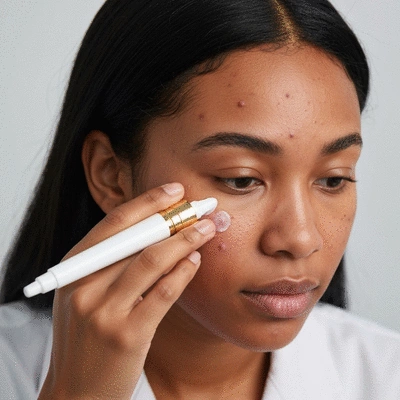
Common Symptoms and How to Identify Nodular Acne
Identifying nodular acne involves recognizing its symptoms. The most common symptoms include:
- Large, hard lumps under the skin
- Pain and tenderness in the affected areas
- Redness and inflammation
- Potential scarring if left untreated
If you notice these symptoms, it’s essential to take action. Early identification can help prevent further skin issues!
The Differences Between Nodular Acne, Cystic Acne, and Acne Vulgaris
Understanding the differences between nodular acne, cystic acne, and acne vulgaris can be a game-changer in your skincare journey. While nodular acne and cystic acne share similarities, they differ in depth and presentation. Cystic acne tends to be more severe, often filled with pus and more prone to scarring. In contrast, acne vulgaris includes more superficial types of acne, like blackheads and whiteheads.
- Nodular Acne: Hard, inflamed lumps.
- Cystic Acne: Painful, pus-filled lesions.
- Acne Vulgaris: Less severe, often includes whiteheads and blackheads.
By understanding these differences, you can work towards the right treatment strategy tailored to your specific condition. Remember, every skin story is unique!
Pro Tip
Did you know? Incorporating a consistent skincare routine that includes gentle cleansing, non-comedogenic moisturizers, and targeted treatments can significantly reduce the severity of nodular acne. Additionally, consider keeping a journal of your skincare products and any dietary changes; this can help identify potential triggers for your breakouts!
Exploring the Causes of Nodular Acne: What You Need to Know
Nodular acne can be particularly perplexing, but understanding its causes is essential for effective management. The formation of nodules is often linked to various factors, including clogged pores and the activity of specific bacteria. Let’s delve deeper into these causes to help you grasp what might be triggering your nodular breakouts!
Clogged Pores and the Role of P. acnes Bacteria
One of the primary culprits behind nodular acne is the clogging of pores. When dead skin cells and excess oil accumulate within the hair follicles, it creates a perfect environment for P. acnes bacteria to thrive. This bacteria feeds on the oil, leading to inflammation and the formation of painful nodules.
- Pore Blockage: Dead skin cells and sebum block pores, setting the stage for acne.
- Bacterial Growth: P. acnes can exacerbate inflammation, leading to nodular development.
- Inflammation: Your immune response causes the surrounding skin to become red and swollen.
Recognizing how these factors interact can empower you to make informed decisions about your skincare routine.
Hormonal Influences: The Impact of Genetics and Immune Response
Hormones play a significant role in the development of nodular acne, especially during puberty, menstruation, or hormonal shifts. Genetic factors can also contribute to how your body reacts to these hormonal changes. Your immune response can either exacerbate or mitigate the condition, depending on your body’s unique makeup.
- Hormonal Fluctuations: Changes in hormones can increase oil production, leading to clogged pores.
- Genetic Predisposition: A family history of acne may increase your susceptibility to nodular acne.
- Immune System Response: A heightened response can lead to increased inflammation and nodules.
Understanding these influences can guide your approach to treatment and management.
Lifestyle Factors: Stress, Diet, and Their Contribution to Acne Development
Your lifestyle choices can significantly impact your skin’s health. High stress levels and an unhealthy diet can exacerbate nodular acne. Stress triggers hormonal changes, while certain foods may contribute to inflammation.
- Stress Management: Implementing stress-reducing techniques, like yoga or meditation, can be beneficial.
- Healthy Eating: A balanced diet rich in fruits, vegetables, and whole grains can help improve skin health.
- Hydration: Drinking plenty of water supports overall skin health and can help flush out toxins.
By making small adjustments to your lifestyle, you can support your skin's healing process!
The Risks of Nodular Acne: Beyond the Skin
While nodular acne primarily affects your skin, it also carries potential risks that extend beyond aesthetic concerns. Understanding these risks is crucial for taking effective action.
Potential for Scarring: Understanding Long-term Effects
One of the most concerning risks associated with nodular acne is the potential for scarring. When nodules are inflamed, they can cause damage to the skin, leading to permanent scars. This is why early intervention is key!
- Hyperpigmentation: Dark spots may appear after acne heals, especially in darker skin tones.
- Textural Changes: Scarring can leave uneven texture on the skin’s surface.
- Emotional Distress: The presence of scars can affect self-esteem and confidence.
Taking proactive measures can help you minimize these long-term effects.
The Emotional and Psychological Impact of Severe Acne
Severe acne can take a toll on your mental health, leading to feelings of anxiety or depression. It’s important to recognize how acne can affect your emotional well-being and to seek support when needed.
- Social Withdrawal: Many individuals may avoid social interactions due to embarrassment.
- Reduced Self-esteem: Acne can impact body image and self-confidence.
- Stress and Anxiety: The constant worry about breakouts can lead to increased stress levels.
Connecting with others who understand your struggles can make a significant difference in how you feel.
Addressing Acne Myths: Debunking Common Misconceptions
There are many myths surrounding acne that can lead to confusion. Let’s clear up some common misconceptions about nodular acne to help you on your journey to clearer skin!
- Myth 1: Acne is caused solely by poor hygiene. (Fact: It’s often much more complex!)
- Myth 2: Only teenagers get acne. (Fact: Adults can experience acne, too!)
- Myth 3: Eating greasy foods directly causes acne. (Fact: While diet plays a role, it’s not the only factor.)
By debunking these myths, you can approach your skincare with a clearer understanding!
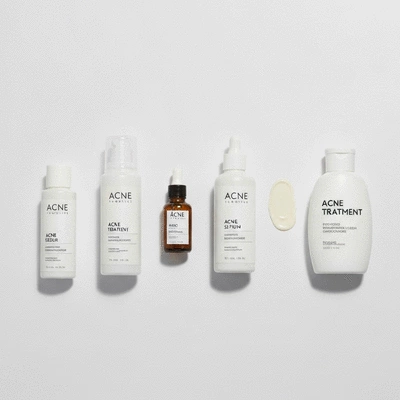
Effective Treatment Strategies for Nodular Acne Recommended by Dermatologists
It’s time to talk about tackling nodular acne head-on! Dermatologists recommend various treatment options, each tailored to individual needs. For a comprehensive overview of dermatologist-recommended treatments, consult the American Academy of Dermatology Association's guide to acne treatment.
Topical Treatments: Retinoids, Benzoyl Peroxide, and More
Topical treatments are often the first line of defense against nodular acne. Ingredients like retinoids and benzoyl peroxide target inflammation and help unclog pores.
- Retinoids: Promote skin cell turnover, preventing clogged pores.
- Benzoyl Peroxide: Kills bacteria and reduces inflammation.
- Salicylic Acid: Helps exfoliate and clear out pores.
Using these products consistently can greatly improve your skin's condition!
Oral Medications: Antibiotics, Isotretinoin, and Hormonal Therapies
For more severe cases, oral medications may be necessary. Antibiotics can help fight bacteria, while isotretinoin is often a last-resort option that targets severe acne.
- Antibiotics: Reduce bacterial growth and inflammation.
- Isotretinoin: A powerful medication that can lead to long-term remission. For more information on its efficacy and usage, you can review details on Isotretinoin (Oral) as discussed by NCBI.
- Hormonal Therapies: Useful for those whose acne is driven by hormonal imbalances.
Consulting with a dermatologist can help determine the best course of action for your specific situation.
In-Office Procedures: What to Expect from Cortisone Injections and Laser Therapy
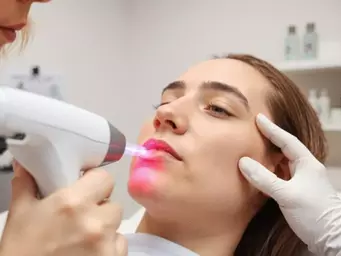
Sometimes, in-office treatments can provide quick relief from painful nodules. Cortisone injections can reduce inflammation quickly, while laser therapy can target deeper layers of skin.
- Cortisone Injections: Provide rapid reduction in nodule size and inflammation.
- Laser Therapy: Helps reduce redness and improve skin texture over time.
- Extraction Procedures: Can remove cystic lesions but should only be done by professionals.
Understanding what to expect from these procedures can prepare you for your visits.
The Role of Chemical Peels and Light Therapy in Treatment
Chemical peels and light therapy are popular options for treating nodular acne. They work by exfoliating the skin and targeting bacteria without harsh scrubbing!
- Chemical Peels: Use acids to exfoliate and improve skin texture.
- Light Therapy: Targets bacteria and reduces inflammation using specific wavelengths of light.
- Photodynamic Therapy: Combines light and topical agents for enhanced results.
These treatments can be a game-changer when incorporated into your skincare plan.
Comprehensive Prevention and Scar Management Tips
Preventing nodular acne and minimizing scarring requires a proactive approach. Here are some tips to help you manage your skin effectively.
Gentle Skincare Practices to Avoid Worsening Acne
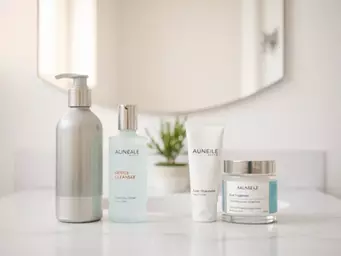
Adopting gentle skincare practices can prevent further irritation and breakouts. Using non-comedogenic products is vital!
- Cleansing: Use a gentle cleanser that doesn’t strip your skin’s natural oils.
- Moisturizing: Keep your skin hydrated with non-comedogenic moisturizers.
- Exfoliation: Avoid harsh scrubs; opt for chemical exfoliants instead.
These simple changes can help maintain your skin's health.
Strategies for Early Intervention and Scar Prevention
Addressing nodular acne early can significantly reduce the risk of scarring. Here are a few strategies to consider:
- Regular Dermatologist Visits: Keep your skin in check with professional assessments.
- Spot Treatments: Apply treatments at the first sign of a breakout.
- Sunscreen Use: Protect healing skin from UV damage to minimize pigmentation.
Staying proactive is the key to achieving clear skin!
Holistic Approaches: The Role of Diet, Stress, and Sleep in Acne Care
Don’t overlook the holistic aspects of skincare! Your diet, stress levels, and sleep habits can have a profound impact on your skin’s condition.
- Nutritious Diet: Focus on whole foods rich in vitamins and antioxidants.
- Stress Management: Engage in activities that promote relaxation, like mindfulness or exercise.
- Quality Sleep: Aim for 7-9 hours of restful sleep each night to support skin repair.
Integrating these holistic approaches into your routine can lead to lasting improvements.
Choosing Non-comedogenic Products for Your Skincare Routine
Selecting the right products is essential for managing acne. Look for non-comedogenic labels to prevent clogging pores!
- Foundation and Makeup: Opt for oil-free, non-comedogenic options to reduce breakouts.
- Skincare Ingredients: Familiarize yourself with ingredients that can aggravate or soothe your skin.
- Patch Testing: Always patch test new products to avoid adverse reactions.
Being mindful of your product choices will support your journey toward clear skin!
When to Seek Professional Help: The Importance of Dermatologist Consultation
Sometimes, DIY approaches just don’t cut it. Knowing when to reach out for professional help is crucial in effectively managing nodular acne.
Signs That Indicate You Should See a Dermatologist
Recognizing the right time to consult a dermatologist can make a significant difference in your skincare journey. Look for these signs:
- Severe Breakouts: When nodular acne persists despite home treatments.
- Scarring: If you’re noticing signs of scarring or hyperpigmentation.
- Emotional Distress: When acne is affecting your mental health and quality of life.
Don’t hesitate to seek help—your skin deserves it!
What to Expect During Your Dermatology Appointment
Preparing for your dermatology appointment can help alleviate any anxiety. Here’s what you can expect:
- Discussion: Your dermatologist will ask about your medical history and current skincare routine.
- Examination: A thorough examination of your skin will help identify the severity of your acne.
- Treatment Plan: Expect a tailored treatment plan that aligns with your needs and concerns.
Being informed can help you feel more at ease during your visit!
Understanding Acne Severity: When Treatment Becomes Necessity
Understanding the severity of your acne is essential in determining the appropriate treatment. Here’s a quick breakdown:
- Mild Acne: Occasional breakouts that can often be managed with over-the-counter products.
- Moderate Acne: Frequent breakouts that may require a dermatologist's intervention.
- Severe Acne: Persistent nodules or cysts that necessitate aggressive treatment options.
Recognizing where you stand can help you take the necessary steps toward clearer skin!
Frequently Asked Questions About Nodular Acne
Here are some common questions about nodular acne to help further clarify this condition:
- What is nodular acne? Nodular acne is a severe form of acne characterized by large, painful, solid lumps that form deep beneath the skin's surface and do not typically come to a head.
- How is nodular acne different from cystic acne? While both are severe, nodular acne involves firm, inflamed lumps that don't contain pus, whereas cystic acne typically involves pus-filled lesions that are softer and often more widespread.
- What causes nodular acne? It is caused by a combination of clogged pores (dead skin cells and excess oil), the proliferation of P. acnes bacteria, inflammation, hormonal fluctuations, and genetic predisposition.
- Can nodular acne lead to scarring? Yes, due to its deep and inflammatory nature, nodular acne has a high potential for scarring, including hyperpigmentation and textural changes, if not treated promptly and effectively.
- What are the recommended treatments for nodular acne? Treatment options range from topical medications like retinoids and benzoyl peroxide to oral medications such as antibiotics and isotretinoin. In-office procedures like cortisone injections and laser therapy may also be used.
- When should I see a dermatologist for nodular acne? You should consult a dermatologist if you experience severe breakouts, notice signs of scarring, or if your acne is causing emotional distress and is not responding to over-the-counter treatments.
- Are there any lifestyle changes that can help manage nodular acne? Yes, managing stress, maintaining a healthy diet rich in fruits and vegetables, ensuring adequate hydration, and getting quality sleep can all support skin healing and improve overall skin health.
Recap of Key Points
Here is a quick recap of the important points discussed in the article:
- Nodular acne is characterized by large, painful lumps that form deep beneath the skin.
- Recognizing symptoms such as inflammation, tenderness, and potential scarring is crucial for early identification.
- Understanding the differences between nodular acne, cystic acne, and acne vulgaris can guide effective treatment choices.
- Factors like clogged pores, hormonal influences, and lifestyle choices play significant roles in the development of nodular acne.
- Effective treatments can include topical applications, oral medications, and in-office procedures, tailored to individual needs.
- Implementing gentle skincare practices and making lifestyle adjustments can help prevent nodular acne and minimize scarring.
- Consulting with a dermatologist is essential when facing severe breakouts, scarring, or emotional distress due to acne.