Understanding hormonal acne can feel like solving a mysterious puzzle. With insights into its triggers and management strategies, you can take charge of your skincare journey and work towards achieving clearer skin.
What You Will Learn
- Hormonal acne is influenced by fluctuations in androgens, leading to increased oil production and breakouts.
- Key triggers include menstrual cycles, pregnancy, PCOS, and lifestyle factors such as stress and diet.
- Teen acne often appears as pustular lesions due to puberty, while adult acne tends to be cystic and persistent.
- Diet plays a critical role; high sugar and dairy intake can exacerbate acne severity, while antioxidant-rich foods may help.
Hormonal Acne: Teen vs. Adult & Key Triggers
This visual summarizes the differences between teen and adult hormonal acne and highlights the main triggers for both, offering a clear comparison of their characteristics and causes.
Teenage Acne Characteristics
- • More pustular & inflammatory lesions
- • Primarily driven by hormonal surges (puberty)
- • Often associated with oilier skin
Adult Acne Characteristics
- • Persistent, cystic lesions
- • Influenced by stress, lifestyle, hormonal fluctuations
- • May be accompanied by dryness/irritation
Hormonal Fluctuations Triggers
- • Menstrual Cycles (estrogen, progesterone)
- • Pregnancy (rising hormone levels)
- • PCOS (androgen excess)
- • Menopause
Lifestyle & Diet Triggers
- • Stress (increased oil production)
- • High sugar/dairy intake (inflammation)
- • Poor skincare habits (clogged pores)
- • Environmental factors
Understanding Hormonal Acne: Causes and Mechanisms in Teens and Adults
Have you ever noticed that your skin seems to have a mind of its own? Hormonal acne can often feel like a frustrating puzzle, especially for teens and adults alike. The underlying cause often relates to hormonal fluctuations, particularly androgens, which are male hormones present in everyone. These hormones can lead to increased oil production in your skin, setting the stage for breakouts.
Understanding how hormones contribute to acne is essential for managing it effectively. Androgens stimulate sebaceous glands, increasing sebum (oil) production, which can clog pores and lead to inflammation. This hormonal influence is not just limited to adolescence but can persist into adulthood, making it a common concern for many, as highlighted by recent research on hormonal influences in acne.
The Role of Hormones in Acne Development
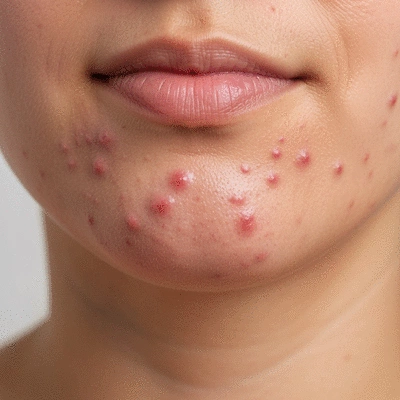
Let's dive a little deeper into the role hormones play in acne development. Hormonal fluctuations can occur due to various factors, including menstrual cycles, stress, and even diet. During puberty, an increase in androgen levels can lead to the overproduction of oil, which is a primary trigger for acne.
- Menstrual Cycle: Many women notice an uptick in breakouts before their period.
- Pregnancy: Hormonal changes during pregnancy can also impact skin health.
- PCOS: Conditions like polycystic ovary syndrome can lead to significant hormonal imbalances, often resulting in hormonal acne as a symptom.
Recognizing these triggers is the first step in managing hormonal acne. It's essential to remember that hormonal acne requires different strategies compared to other types of acne, making awareness key to effective treatment.
Key Differences Between Teen and Adult Acne
When it comes to acne, age plays a significant role in understanding its causes and characteristics. Teenage acne is often characterized by more pustular and inflammatory lesions, primarily driven by hormonal changes. In contrast, adult acne typically presents as more persistent, cystic lesions, often accompanied by dryness or irritation.
- Teen Acne: Frequently linked to puberty and hormonal surges.
- Adult Acne: Often influenced by stress, lifestyle choices, and hormonal fluctuations.
- Skin Characteristics: Teens may have oilier skin, while adults may experience dryness in conjunction with breakouts.
Understanding these differences can help tailor treatment approaches. At Acne Clarity Hub, we aim to empower individuals with personalized strategies based on their age and skin type, ensuring clearer skin is within reach.
Identifying Common Triggers of Hormonal Acne
Now that we've explored the hormonal landscape, let's identify some common triggers of hormonal acne. Recognizing these factors can help you take proactive steps in your skincare routine. Understanding your unique triggers is essential for effective management!
Hormonal Fluctuations and Their Impact
Hormonal changes can greatly impact skin health. Factors like your menstrual cycle, pregnancy, menopause, and conditions such as polycystic ovary syndrome (PCOS) can lead to hormonal acne. For instance, many women find that breakouts coincide with their menstrual cycle, often worsening during those days.
- Menstrual Cycles: Fluctuations in estrogen and progesterone can trigger acne.
- Pregnancy: Rising hormone levels can cause skin changes.
- PCOS: Androgen excess often results in persistent acne.
Staying aware of these fluctuations can help in recognizing patterns and adjusting your skincare accordingly.
Lifestyle and Environmental Factors
Life stressors and environmental factors also play a critical role in acne development. Things like diet, skincare habits, and exposure to certain environmental elements can exacerbate hormonal acne. For example, high-stress levels can lead to increased oil production, while an unhealthy diet may worsen inflammation.
- Stress: Can trigger hormonal changes that lead to breakouts.
- Diet: High sugar and dairy intake have been linked to acne severity.
- Skincare Habits: Poor product choices can block pores and worsen acne.
Focusing on a balanced lifestyle can significantly improve your skin health. At Acne Clarity Hub, I encourage readers to explore how these factors relate to their own skin conditions.
The Impact of Diet on Hormonal Acne
When it comes to managing hormonal acne, diet can be a game-changer. What we consume can directly influence our skin’s health. For instance, foods high in sugar or dairy can trigger inflammatory responses in the body, leading to flare-ups. To delve deeper into the connection between diet and acne, you can explore resources like Medical News Today's insights on dietary factors and acne.
- Dairy Products: Some studies suggest a correlation between dairy and increased acne.
- High Glycemic Index Foods: Foods that spike blood sugar can increase sebum production.
- Antioxidant-Rich Foods: Incorporating these can help reduce inflammation.
By paying attention to dietary choices, you can take a proactive role in managing hormonal acne effectively. Remember, it’s about finding what works best for your body!

Frequently Asked Questions About Hormonal Acne
- Q: What is hormonal acne?
- A: Hormonal acne is a type of acne influenced by fluctuations in hormones, particularly androgens, which lead to increased oil production and subsequent breakouts. It can affect both teenagers and adults.
- Q: How does teen acne differ from adult acne?
- A: Teen acne is often characterized by more pustular and inflammatory lesions, primarily driven by puberty-related hormonal surges. Adult acne tends to be more persistent and cystic, often accompanied by dryness, and is influenced by stress, lifestyle, and ongoing hormonal fluctuations.
- Q: What are the main triggers for hormonal acne?
- A: Key triggers include menstrual cycles, pregnancy, menopause, and conditions like Polycystic Ovary Syndrome (PCOS). Lifestyle factors such as stress, high sugar and dairy intake, poor skincare habits, and environmental factors also play a significant role.
- Q: Can diet really impact hormonal acne?
- A: Yes, diet can significantly impact hormonal acne. Foods high in sugar and dairy have been linked to increased inflammation and sebum production, potentially exacerbating breakouts. Conversely, antioxidant-rich foods may help reduce inflammation.
- Q: What are some treatment options for hormonal acne?
- A: Treatment options can range from topical agents like benzoyl peroxide and salicylic acid to oral medications such as spironolactone. Personalized treatment plans often require consultation with a dermatologist.
We Want to Hear From You!
What do you think about the impact of lifestyle changes on managing hormonal acne? Share your thoughts below:
Summarizing Key Insights on Hormonal Acne Management
Throughout our discussion on hormonal acne, we’ve uncovered various triggers, treatment options, and prevention strategies that can help you manage your skin health. Recognizing the impact of hormonal fluctuations, particularly in teens and adults, is crucial in addressing acne effectively. It’s clear that understanding your unique skin needs plays a significant role in tailoring the right approach for you!
- Key Triggers: Hormonal changes due to menstruation, pregnancy, menopause, and conditions like PCOS.
- Lifestyle Factors: Stress, diet, and environmental exposures significantly influence acne severity.
- Treatment Options: From topical agents like benzoyl peroxide and salicylic acid to oral medications like spironolactone.
- Prevention Strategies: Building a consistent skincare routine and making mindful lifestyle changes.
As you navigate your own skin journey, consider these insights as stepping stones toward clearer skin. Remember, each person’s experience with hormonal acne is unique, and there’s no one-size-fits-all solution. Finding what works best for you can be empowering and lead to lasting results!
Taking the Next Steps for Healthier Skin
Now that you have a better understanding of hormonal acne and effective management techniques, it’s time to take action! I encourage you to consult with a dermatologist for personalized treatment plans that align with your skin type and condition. A professional can help you explore options that may not have been considered yet.
- Schedule an Appointment: Take the first step towards clearer skin by reaching out to a skincare expert.
- Sign Up for Resources: Consider subscribing to Acne Clarity Hub's newsletter for ongoing support and tips directly from dermatologists.
- Join a Community: Engage with others facing similar challenges to share experiences and advice.
At Acne Clarity Hub, we’re dedicated to supporting you on your path to achieving healthy, radiant skin. Remember, you are not alone in this journey, and with the right tools and information, you can take charge of your skincare routine. Let’s embrace this journey together!
Recap of Key Points
Here is a quick recap of the important points discussed in the article:
- Hormonal Triggers: Recognize hormonal changes due to menstruation, pregnancy, and conditions like PCOS as key contributors to hormonal acne.
- Lifestyle Impact: Acknowledge that stress, diet, and environmental factors significantly influence acne severity.
- Tailored Treatments: Differentiate treatment approaches for teen and adult acne to address specific skin needs effectively.
- Dietary Choices: Be mindful of high sugar and dairy intake, which can exacerbate hormonal acne.
- Consistent Skincare Routine: Establish a regular skincare regimen to manage and prevent breakouts.