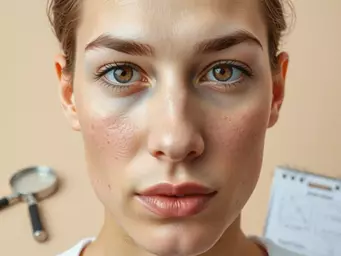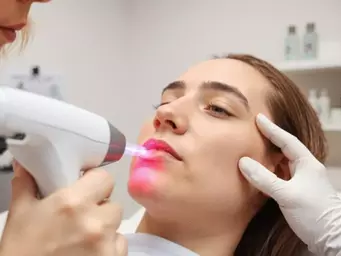
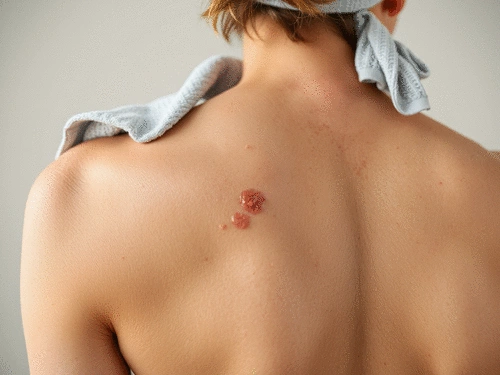
Have you ever stared in the mirror and wondered what’s really going on with your skin? You're not alone! Acne can feel like a frustrating mystery, but understanding its root causes is the first step to reclaiming your confidence. Let’s break it down: from friction to environmental factors, there are many elements that influence acne mechanica.
What You Will Learn
- Acne mechanica is caused by external factors like friction, heat, and pressure on the skin.
- Understanding the difference between acne mechanica and acne vulgaris is vital for targeted treatment.
- Athletes and individuals in tight-fitting clothing are at higher risk for developing acne mechanica.
- Maintaining a healthy skin barrier can significantly reduce the occurrence of acne mechanica.
- Documenting your skincare routine can help identify triggers contributing to breakouts.
- Stress and diet play a role in skin health, potentially exacerbating acne mechanica.
Acne Mechanica vs. Acne Vulgaris: Key Differences
Understanding the distinct triggers and characteristics of acne mechanica and acne vulgaris is crucial for effective treatment and prevention strategies.
Acne Mechanica: Triggered by External Factors
Primarily caused by physical irritation like friction, pressure, and heat on the skin. Often localized to areas of contact.
- • Friction from clothing/gear.
- • Pressure from tight uniforms.
- • Heat and humidity build-up.
Acne Vulgaris: Linked to Internal Factors
Caused by hormonal fluctuations, excess oil production, and clogged pores. Appears more generalized across the body.
- • Hormonal imbalances.
- • Excess sebum production.
- • Bacteria (P. acnes).
High-Risk Groups & Prevention
Athletes: Gear friction, sweat.
Professionals: Tight uniforms.
Prevention: Hygiene, proper gear.
Skin Barrier: Keep healthy.
Understanding Acne Mechanica and Its Triggers
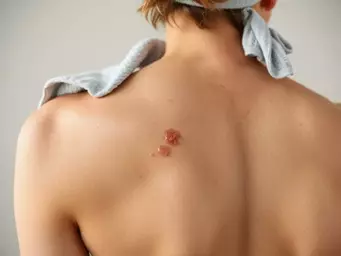
Have you ever experienced breakouts in areas where your skin rubs against clothing or gear? You're not alone! This type of acne is known as acne mechanica, and it can be a frustrating challenge for many. Unlike acne vulgaris, which is caused by clogged pores and hormonal factors, acne mechanica is specifically triggered by external pressures and irritations on the skin.
Understanding the differences between these two types of acne is crucial for effective treatment. Acne mechanica often manifests as small bumps or redness in areas where friction occurs, while acne vulgaris tends to appear more generalized across the face, back, and shoulders. Knowing what you're dealing with can empower you to take the right steps towards clearer skin!
Defining Acne Mechanica: How It Differs from Acne Vulgaris
As I mentioned earlier, acne mechanica is primarily caused by friction, heat, or pressure on the skin. This differs from acne vulgaris, where hormonal fluctuations and excess oil production play a significant role. By recognizing the unique characteristics of acne mechanica, you can better pinpoint the triggers and work on prevention strategies.
- Acne Mechanica: Triggered by physical irritation.
- Acne Vulgaris: Linked to hormonal imbalances.
- Each type requires tailored treatment approaches.
By understanding these differences, you can refine your skincare routine to address your specific acne concerns effectively.
Primary Causes: Friction, Pressure, and Heat
Acne mechanica can be a pesky issue, especially when you’re active or in a hot environment. The three main culprits behind this type of acne are friction, pressure, and heat. Let’s break each of these down to see how they contribute to breakouts.
The Role of Friction in Skin Irritation
Friction can occur in many situations, such as when your skin rubs against tight clothing or gear. This constant rubbing can lead to skin irritation and trigger those unwelcome breakouts. It's crucial to be aware of how your daily activities may be affecting your skin!
- Active wear like leggings and sports bras may cause friction.
- Backpacks or shoulder straps can irritate the skin.
- Even casual clothing made from rough materials can contribute.
By recognizing these friction points, you can take proactive steps to minimize their impact.
Impact of Pressure from Clothing and Gear
Just like friction, pressure from clothing or equipment can exacerbate acne mechanica. Whether you're a sports enthusiast or just someone who wears fitted clothes, pressure can lead to irritation and block pores. This is something I often see in patients who are unaware of how their gear affects their skin.
For example, cyclists may experience breakouts where their bike shorts rub against their thighs. Recognizing these patterns allows you to change how you dress for certain activities and reduce the risk of breakouts.
Heat and Humidity: Environmental Contributors
Heat and humidity can also play a significant role in causing acne mechanica. When your skin is hot and sweaty, it becomes more prone to irritation. This combination can create the perfect environment for breakouts to flourish!
- High temperatures increase sweat production.
- Humidity can trap moisture and bacteria against the skin.
- Protective gear can intensify heat build-up.
Understanding how your environment affects your skin is essential for taking appropriate actions to combat acne mechanica.
High-Risk Groups: Who is Most Affected?
Some individuals are more prone to developing acne mechanica than others. Being aware of these high-risk groups can help you identify potential issues early on. Let’s explore who tends to be most affected by this type of acne.
Athletes and Sports Enthusiasts
Athletes are frequently exposed to friction, pressure, and sweat. Whether it’s from running shoes, helmets, or sports gear, these factors can lead to acne mechanica. It's vital to implement good hygiene practices and choose appropriate gear to mitigate the risks!
Professionals in Tight-Fitting Uniforms
Those who work in environments requiring tight-fitting uniforms, such as healthcare workers, can also be at risk. Pressure and friction from uniforms can aggravate the skin, leading to breakouts. Making simple adjustments, like choosing looser-fitting clothing, can help!
Other Vulnerable Demographics: Nurses, Construction Workers, and More
In addition to athletes and professionals, other demographics such as nurses, construction workers, and anyone who regularly encounters tight or rough materials can be affected. Recognizing these risks is the first step in prevention!
Understanding the Skin Barrier and Its Role in Acne Mechanica
The skin barrier is our body's first line of defense against irritants. A compromised skin barrier can worsen acne mechanica by allowing irritants to penetrate the skin more easily. Keeping this barrier healthy is essential for preventing breakouts!
How Skin Barrier Damage Can Aggravate Breakouts
When the skin barrier is damaged, it loses moisture and becomes more susceptible to irritation from friction and pressure. This means that even minor irritations can lead to significant breakouts if your barrier isn’t functioning correctly. Keeping your skin barrier intact is crucial!
Signs of a Compromised Skin Barrier
Some signs that your skin barrier may be compromised include redness, dryness, and heightened sensitivity. If you notice these symptoms, it might be time to adjust your skincare routine to support your skin's health. Consider incorporating gentle products that help restore the barrier while preventing acne mechanica.
We Want to Hear From You!
Have you ever noticed how your clothing affects your skin? Share your experiences with acne mechanica and how you manage it below:
Addressing Common Questions About Acne Mechanica
As someone who has dedicated over a decade to understanding skin conditions, I often encounter questions about acne mechanica. This type of acne can be particularly confusing, especially when trying to differentiate it from other acne varieties. Let’s address some of the most common questions I hear in my practice and help clarify the relationship between acne mechanica and other skin issues.
What is the Connection Between Acne Mechanica and Other Acne Types?
Acne mechanica differs from acne vulgaris, which most people are familiar with. While acne vulgaris is linked to clogged pores and hormonal fluctuations, acne mechanica is primarily caused by friction, pressure, and heat. Understanding this distinction is crucial because it helps guide effective treatment methods.
- Acne Mechanica: Caused by friction and pressure on the skin.
- Acne Vulgaris: Related to hormonal changes and clogged pores.
- Other Forms: Such as cystic acne, which can be deeper and more painful.
By recognizing these differences, you can better tailor your skincare regimen and treatment options.
How Can I Diagnose the Cause of My Breakouts?
Diagnosing the cause of your breakouts involves a bit of detective work! To pinpoint whether your acne is mechanica, consider keeping a skincare diary. Document your daily activities, products used, and any skin changes observed. This can help identify potential triggers.
- Note any activities that involve friction or pressure on your skin.
- Track the types of clothing or equipment you wear regularly.
- Pay attention to any environmental changes that coincide with breakouts.

Once you gather this information, you can approach your treatment strategy more effectively.
What Are the Impacts of Stress and Diet on Acne Mechanica?
Stress and diet can significantly affect your skin's health, including the occurrence of acne mechanica. While the direct impact of diet is still under study, many people notice that certain foods can trigger breakouts. On the other hand, stress tends to exacerbate existing conditions, making skin care even more critical.
- Stress can lead to increased oil production, worsening breakouts.
- Diet high in sugars and dairy may trigger inflammation.
- Staying hydrated and consuming a balanced diet can help support overall skin health.
Being mindful of these factors can pave the way for a more effective acne management strategy.
Identifying Contact Irritants and Their Effects on Skin Health
It's essential to recognize the irritants that may come into contact with your skin, contributing to acne mechanica. Products like harsh cleansers or skincare ingredients can disrupt your skin barrier, leading to irritation and breakouts.
- Common irritants include:
- Overly fragrant products
- Rough fabrics or materials
- Heavy, greasy moisturizers
Be sure to choose products that are dermatologist-reviewed, focusing on non-comedogenic options to minimize the risk of further irritation.
Frequently Asked Questions About Acne Mechanica
Q: What is the primary difference between acne mechanica and acne vulgaris?
A: Acne mechanica is caused by external factors like friction, pressure, and heat on the skin, often in specific areas. Acne vulgaris, on the other hand, is linked to internal factors such as hormonal fluctuations, excess oil production, and clogged pores, manifesting more generally across the body.
Q: Who is most at risk for developing acne mechanica?
A: High-risk groups include athletes and sports enthusiasts due to gear friction and sweat, professionals wearing tight-fitting uniforms (e.g., healthcare workers), and individuals whose jobs or hobbies involve regular contact with tight or rough materials (e.g., construction workers, nurses).
Q: How can I prevent acne mechanica?
A: Prevention involves minimizing friction and pressure on the skin by choosing loose-fitting clothing and breathable fabrics, maintaining good hygiene by showering immediately after sweating, and ensuring your skin barrier is healthy. Regularly cleaning sports gear and equipment is also crucial. The American Academy of Dermatology Association provides further tips on preventing breakouts when working out.
Q: What role does the skin barrier play in acne mechanica?
A: A healthy skin barrier acts as the body's first line of defense against irritants. When the skin barrier is compromised, it becomes more susceptible to irritation from external factors like friction and pressure, making it easier for acne mechanica to develop or worsen. Maintaining a strong skin barrier is key to prevention.
Q: Can diet and stress influence acne mechanica?
A: While acne mechanica is primarily externally triggered, stress can exacerbate existing skin conditions by increasing oil production. Similarly, an unhealthy diet, particularly one high in sugars or certain dairy products, might contribute to inflammation, indirectly worsening breakouts. Prioritizing a balanced diet and stress management can support overall skin health.
Summarizing Key Takeaways and Next Steps
As we wrap up this section, remember that understanding acne mechanica is key to preventing and treating breakouts effectively. By integrating what you’ve learned about triggers, stress, and irritants, you can take proactive steps towards clearer skin!
Integrating Prevention and Treatment for Optimal Results
Combining effective prevention strategies with targeted treatments is essential for managing acne mechanica. Always prioritize removing external triggers as discussed earlier, while also maintaining a solid skincare routine.
Encouraging a Holistic Approach to Skin Care
Embracing a holistic approach to skincare not only addresses the physical aspects but also the emotional ones. Clear skin can significantly boost your confidence and mental health!
Fostering Confidence: The Impact of Clear Skin on Mental Health
When your skin looks its best, it can positively influence your self-esteem and how you interact with the world. I’ve seen firsthand how my patients feel more empowered when they tackle their acne effectively!
Seeking Support: When to Consult a Dermatologist
Don’t hesitate to reach out to a dermatologist if your acne persists or worsens. Professional guidance can make a world of difference in finding the right treatment.
Understanding the Role of Skin Hygiene in Preventing Breakouts
Finally, maintaining good skin hygiene is crucial. Regular cleansing and using suitable products can significantly reduce the chances of breakouts and keep your skin healthy and happy.
Recap of Key Points
Here is a quick recap of the important points discussed in the article:
- Understand the Types: Acne mechanica is triggered by friction, pressure, and heat, while acne vulgaris is linked to hormonal changes.
- Identify Triggers: Common triggers include tight clothing, sports gear, and environmental factors like heat and humidity.
- High-Risk Groups: Athletes, healthcare professionals, and individuals in tight-fitting uniforms are more prone to acne mechanica.
- Skin Barrier Health: A compromised skin barrier can worsen acne mechanica; maintaining it is crucial for prevention.
- Consult Professionals: Seeking guidance from a dermatologist can provide tailored treatment options to manage acne effectively.