
Understanding the intricacies of adult acne is essential for effective management. With the rise of late-onset acne, many find themselves searching for clarity in their skincare journey. Let’s explore some of the vital lessons that can help you navigate this challenge.
What You Will Learn
- Late-onset acne can affect anyone over 25, with women often experiencing it more due to hormonal changes.
- Understanding the differences between late-onset and persistent acne is crucial for tailoring treatment strategies.
- Hormonal fluctuations, stress, and lifestyle choices can significantly contribute to adult acne.
- Maintaining a balanced diet and hydration is essential for promoting skin health and managing breakouts.
- Certain medications, including some antidepressants and steroids, may trigger or worsen acne, warranting consultation with a healthcare provider.
- Genetics play a vital role in acne development; understanding your family history can inform your skincare approach.
- Seeking professional dermatological advice can provide personalized treatment plans and enhance skincare routines.
- Building a supportive community can significantly improve emotional well-being while managing acne.
Late-Onset vs. Persistent Acne: Key Differences and Causes
Understanding the distinction between late-onset and persistent acne, and their underlying causes, is crucial for effective treatment. This visual highlights the main characteristics and triggers for each type.
Late-Onset Acne
- ✓Emerges after age 25, often suddenly.
- ✓Influenced by hormonal shifts (menstrual cycle, pregnancy, menopause).
- ✓Triggered by stress, diet, lifestyle, and certain medications.
- ✓More common in women due to hormonal fluctuations.
Persistent Acne
- ✓Continues from adolescence into adulthood.
- ✓Primarily linked to ongoing hormonal imbalances.
- ✓Often has a stronger genetic predisposition.
- ✓Can be influenced by external factors, but rooted in adolescent onset.
Common Triggers
- - Hormonal Fluctuations
- - Stress & Diet
- - Certain Medications
- - Genetics & Environment
Who is Affected?
- - Women (hormonal changes)
- - Men (lifestyle/stress)
- - Individuals with family history
- - Adults of all ages
Understanding Adult Acne: The Rise of Late-Onset Acne
Have you ever found yourself grappling with unexpected breakouts in your 20s, 30s, or even beyond? You're not alone! Late-onset acne is becoming increasingly common among adults, and understanding this phenomenon is essential for achieving clearer skin. As someone who has spent over a decade in dermatology, I've seen firsthand how frustrating it can be to deal with acne later in life. Let’s explore what late-onset acne is and who it tends to affect.
What is Late-Onset Acne and Who Does It Affect?
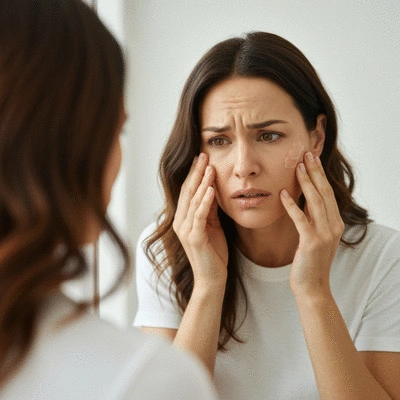
Late-onset acne refers to acne that develops after the age of 25. Unlike the teenage version, which is typically linked to hormonal changes during puberty, adult acne can surprise those who thought they had left their acne struggles behind. It's not just a young person's issue; adults of all ages can experience it!
- Women are often more affected, especially during hormonal fluctuations like pregnancy or menopause.
- Men can also experience late-onset acne, usually due to lifestyle factors or stress.
- Individuals with a family history of acne may find themselves more prone to developing it later in life.
Recognizing that late-onset acne can impact various demographics is vital in addressing the underlying causes and finding effective treatments.
The Differences Between Late-Onset and Persistent Acne
While both late-onset and persistent acne can present similar challenges, there are notable differences. Late-onset acne often appears suddenly in adulthood, whereas persistent acne refers to acne that continues into adulthood from adolescence. Understanding these distinctions can help guide your treatment options.
- Late-Onset Acne: Typically emerges in adulthood, often influenced by hormonal changes, stress, or lifestyle factors.
- Persistent Acne: Begins in adolescence and continues into adulthood; usually linked to ongoing hormonal imbalances.
By distinguishing between these two types, we can tailor our approach to treatment and prevention. Remember, whether you're facing late-onset or persistent acne, you’re not alone in this journey!
Unpacking the Causes of Adult Acne
Now that we have a grasp on what late-onset acne is, let’s dive deeper into its causes! Understanding the factors that contribute to adult acne is crucial for effective management and treatment. As we navigate this complex issue, I'll share insights from my experience at the Acne Clarity Hub to help illuminate these common triggers.
Hormonal Fluctuations and Their Role in Acne Development
Hormonal changes can significantly impact your skin's health. Whether it's due to menstrual cycles, pregnancy, or other hormonal shifts, these fluctuations can lead to increased oil production and clogged pores. This process often results in breakouts. It's important to recognize that hormonal acne can vary in severity, appearing as occasional blemishes or more persistent cystic acne.
- Menstrual cycles can cause temporary spikes in acne due to changes in estrogen and progesterone.
- Pregnancy often brings a mix of hormonal changes that can either improve or worsen skin conditions.
- Menopause can lead to decreased hormone levels, triggering acne as the skin reacts to these changes.
Being aware of how your hormones may affect your skin can help you take proactive measures in managing breakouts.
The Impact of Stress, Diet, and Lifestyle on Skin Health
Stress is another significant contributor to adult acne. When we're stressed, our bodies produce more cortisol, which can lead to increased oil production. To combat this, consider integrating relaxation techniques into your daily routine! Alongside stress, our diets can also play a role in skin health. Foods high in sugars and dairy may exacerbate acne for some individuals.
- Incorporating a balanced diet rich in fruits, vegetables, and whole grains can promote overall skin health.
- Staying hydrated is key! Drinking enough water helps maintain skin moisture and can combat dryness.
- Exercise regularly to reduce stress and improve blood circulation, which can promote healthier skin.
By making thoughtful lifestyle choices, we can help our skin thrive and mitigate acne flare-ups.
Common Medications and Their Acne-Triggering Effects
It’s also essential to consider the medications you may be taking. Some common drugs, such as certain antidepressants or steroids, can trigger or worsen acne. If you suspect your medication is causing breakouts, it's important to discuss this with your healthcare provider before making any changes.
- Non-steroidal anti-inflammatory drugs (NSAIDs) can sometimes trigger acne.
- Some birth control pills may lead to hormonal shifts that result in breakouts.
- Topical steroids, while effective for other skin conditions, can aggravate acne in sensitive individuals.
Being informed about the potential side effects of medications can empower you to make better choices for your skincare routine.
Understanding Acne Triggers: Genetics, Hormonal Changes, and More
Last but not least, genetics play a vital role in acne development. If acne runs in your family, you may be more prone to experiencing it yourself. Understanding your unique genetic predispositions can be a game-changer in crafting a tailored skincare strategy.
- Family history of acne can increase your likelihood of developing it at any age.
- Hormonal changes due to lifestyle or health conditions can also trigger breakouts.
- Environmental factors, such as pollution or humidity, can contribute to skin issues.
By recognizing these triggers, you can take proactive steps toward managing your skin health effectively.
We Want to Hear From You!
What do you think about the impact of lifestyle choices on adult acne? Share your thoughts below:
Frequently Asked Questions About Adult Acne
Here are some common questions about adult acne, its causes, and management:
- Q: What is late-onset acne?
- A: Late-onset acne is acne that develops for the first time after the age of 25. It differs from persistent acne, which is a continuation of adolescent acne into adulthood.
- Q: What are the main causes of adult acne?
- A: The primary causes include hormonal fluctuations (menstrual cycles, pregnancy, menopause), stress, dietary choices (foods high in sugars and dairy), certain medications (antidepressants, steroids), and genetics. Environmental factors like pollution can also contribute.
- Q: Is adult acne more common in women or men?
- A: Adult acne, particularly late-onset acne, is often more common in women due to significant hormonal fluctuations they experience throughout their lives (e.g., menstrual cycles, pregnancy, menopause).
- Q: Can diet really affect adult acne?
- A: Yes, diet can play a role. While not a direct cause for everyone, foods high in sugars and dairy have been shown to exacerbate acne in some individuals. A balanced diet rich in fruits, vegetables, and whole grains, along with adequate hydration, is generally recommended for skin health.
- Q: When should I seek professional help for adult acne?
- A: It is highly recommended to consult a dermatologist if over-the-counter treatments are not effective, if your acne is causing significant distress or scarring, or if you suspect your medication or an underlying health condition is contributing to your breakouts. A professional can provide a tailored treatment plan.
Summarizing Key Insights for Adult Acne Management
Managing adult acne can often feel daunting, but with the right approach, it becomes manageable! Understanding your skin and the factors that contribute to breakouts is essential for effective treatment. Here are some key insights to keep in mind:
- Seek Professional Guidance: Consulting with a dermatologist can provide tailored advice and treatment plans.
- Emphasize Skincare Education: Knowledge about your skin type and how to care for it can greatly enhance your routine.
- Be Patient: Results take time, and consistency is key in any skincare regimen.
At Acne Clarity Hub, I believe that every individual deserves to understand their skin better. Seeking professional advice not only helps in choosing the right treatments but also empowers you to make informed decisions about your skincare journey.

The Importance of Seeking Professional Advice
It’s easy to feel lost with the plethora of information available online about acne treatments. That's why consulting a dermatologist is crucial! A professional can provide personalized recommendations based on your unique skin condition, lifestyle, and medical history. The Mayo Clinic also highlights the importance of medical advice for persistent or severe acne.
- Comprehensive Skin Assessments: A dermatologist can evaluate your skin and identify specific issues that may be causing breakouts.
- Customized Treatment Plans: They can create a tailored regimen that may include topical or oral medications and lifestyle adjustments.
- Regular Monitoring: Professional follow-ups can ensure your treatment plan is effective and adjust it as needed.
Remember, seeking help isn’t just about treating acne; it's about understanding your skin's needs and developing a strategy that works for you.
Building a Support System for Emotional Well-being
Dealing with adult acne can impact your mental health. Thus, it's important to build a support system! Surrounding yourself with understanding friends and family can make a world of difference.
- Join Support Groups: Engaging with others facing similar challenges can provide emotional support and shared experiences.
- Share Your Journey: Talking about your experiences, whether online or in-person, can help you process feelings about your skin.
- Seek Counseling if Needed: Professional help can provide tools to cope with the emotional impact of acne.
At Acne Clarity Hub, I encourage reaching out! Building a strong support network can help you navigate the ups and downs of managing adult acne. Remember, you're not alone in this journey!
Take Action: Your Path to Clearer Skin Starts Here
Now that you have a solid understanding of adult acne management, it’s time to take action! Clearer skin is within your reach, and it starts by finding the right resources and support.
Finding the Right Dermatologist for Your Needs
Choosing a dermatologist is a crucial step in your skincare journey! Here are some tips to help you find the right fit:
- Research Credentials: Look for board-certified dermatologists with experience in treating adult acne.
- Read Reviews: Patient testimonials can provide insight into a dermatologist’s approach and effectiveness.
- Schedule a Consultation: Meeting in person allows you to gauge their communication style and expertise.
At Acne Clarity Hub, I always recommend finding someone who makes you feel comfortable and heard, because a positive patient-doctor relationship can significantly enhance your treatment experience.
Engaging with Communities and Support Groups for Adult Acne
Connecting with others who share similar experiences can be incredibly empowering! Here’s how you can engage:
- Online Forums: Join platforms where individuals discuss their acne journeys and share tips.
- Social Media Groups: Follow communities on social media that focus on skincare and adult acne.
- Local Meetups: Find local groups or events where you can meet others in person.
Engaging with these communities not only fosters a sense of belonging but also provides valuable support and insights on managing adult acne effectively. Together, we can tackle this challenge!
Recap of Key Points
Here is a quick recap of the important points discussed in the article:
- Understanding Late-Onset Acne: Late-onset acne typically emerges after age 25 and can affect both men and women, often influenced by hormonal changes, stress, and lifestyle factors.
- Identifying Causes: Common triggers include hormonal fluctuations (menstruation, pregnancy, menopause), stress, diet (high sugar and dairy), and certain medications.
- Effective Management: Seek professional guidance from dermatologists, stay educated about skincare, and be patient with treatment results.
- Building Support: Engage with community support groups and share experiences to foster emotional well-being while managing adult acne.
- Finding the Right Dermatologist: Research credentials, read reviews, and schedule consultations to find a dermatologist who understands your unique skin needs.