What if I told you that nearly 80% of people will experience acne at some point in their lives? Understanding the myths and facts surrounding this common skin condition can significantly impact how we manage our skincare routines and self-esteem. Let’s clarify the confusion!
What You Will Learn
- Debunking common myths about acne can help reduce stigma and empower individuals to take control of their skin health.
- Different types of acne, such as comedonal, inflammatory, cystic, and hormonal, require tailored treatment approaches for effective management.
- Understanding hormonal fluctuations can be crucial in managing hormonal acne; monitoring your cycle may help identify triggers.
- For cystic acne, professional treatment options are often necessary, including prescription medications and dermatologist consultations.
- Creating an effective skincare routine involves using suitable products like gentle cleansers, toners with active ingredients, and non-comedogenic moisturizers.
Acne Myths vs. Scientific Facts
This visual contrasts common acne myths with scientific facts, highlighting key misconceptions and providing evidence-based information for effective skincare.
Myth: Acne is Just a Teenage Problem
Mythology: Many believe acne is limited to adolescence and will naturally disappear with age.
Impact: Adults may feel their acne is unusual or untreatable, leading to frustration and self-consciousness.
Fact: Acne Affects All Ages
Scientific Truth: Hormonal fluctuations (menstruation, pregnancy), stress, and genetics can trigger acne in individuals of all ages, including adults well into their 30s, 40s, and beyond.
Implication: Age-appropriate and targeted treatments are necessary for effective management, often involving dermatological consultation.
Myth: Poor Hygiene Causes Acne
Mythology: The belief that acne is caused by dirty skin or inadequate washing leads to aggressive scrubbing, which can worsen skin irritation and breakouts.
Impact: Over-washing can strip the skin's natural oils, leading to increased oil production and a compromised skin barrier.
Fact: Acne is a Complex Skin Condition
Scientific Truth: Acne results from a combination of factors: excess oil production, clogged pores (dead skin cells), bacteria (P. acnes), and inflammation. Hygiene plays a minimal role.
Implication: Gentle cleansing and targeted treatments addressing these underlying causes are more effective than harsh scrubbing.
Understanding Acne: Myths and Scientific Facts
Have you ever felt confused by the countless myths surrounding acne? You're not alone! Misunderstandings about acne can significantly impact treatment decisions and self-care choices. At Acne Clarity Hub, I aim to clear up these misconceptions and provide you with the knowledge you need for effective skincare.
It's crucial to recognize how these myths can lead to frustration and ineffective treatments. By navigating through myths and scientific facts, we can empower ourselves with the right information for achieving clearer skin!
The Importance of Debunking Acne Myths
Unraveling the truth about acne starts with debunking popular myths. Many of these myths stem from outdated beliefs or personal anecdotes rather than solid scientific evidence. For instance, some people think that acne is simply a teenage problem or a result of poor hygiene, which can lead to shame and misinformation.
- Understanding the impact of myths can help reduce stigma.
- Evidence-based information supports healthier skincare routines.
- Knowing the truth empowers individuals to take control of their skin health.
By addressing these myths, we can promote a more informed approach to managing acne, enabling better treatment outcomes and boosting self-confidence! Understanding these common misconceptions can significantly improve treatment outcomes, as highlighted by research indicating that misconceptions often lead to the underuse of effective treatments.
What Are the Different Types of Acne?
Acne isn't a one-size-fits-all condition; in fact, there are various types that require different treatment approaches. The main types include:
- Comedonal Acne: This includes blackheads and whiteheads, often caused by clogged pores.
- Inflammatory Acne: Characterized by red, swollen pimples, this type can be painful and is often treated with topical medications.
- Cystic Acne: A more severe form that can cause deep, painful cysts under the skin.
- Hormonal Acne: Often linked to hormonal fluctuations, this type can affect individuals of all ages.
Understanding these categories is vital because it helps tailor the treatment to your specific needs. Each type may respond differently to skincare products and interventions, so knowing what you’re dealing with is the first step toward clearer skin. For more detailed information on acne types and their causes, you can refer to resources like Spectrum Health's comprehensive guide on skin conditions.
Exploring Hormonal Acne: Causes and Treatments
Hormonal acne is often misunderstood, yet it's a prevalent issue for many people, especially women. This type of acne typically occurs during hormonal fluctuations, such as puberty, menstruation, or pregnancy. It's crucial to identify these triggers to manage hormonal acne effectively.
- Consider monitoring your cycle to identify breakouts.
- Talk to a dermatologist about treatments like birth control pills or anti-androgens.
- Incorporate products with salicylic acid and benzoyl peroxide for effective management.
Every individual’s hormonal response is different, so it’s essential to find a treatment plan that works for you. This may include lifestyle changes, skincare adjustments, or even professional consultations.
Understanding Cystic Acne: Symptoms and Solutions
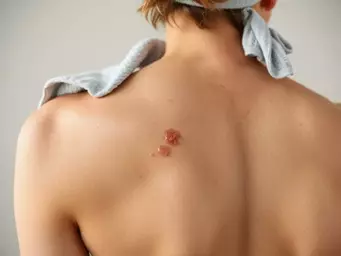
Cystic acne can be particularly challenging because it is both painful and stubborn. Characterized by large, red, and swollen cysts, it often occurs on the face, back, and shoulders. Unlike other types of acne, cystic acne develops deep within the skin, making it more difficult to treat.
Effective solutions for cystic acne include:
- Prescription medications such as isotretinoin or oral antibiotics.
- Regular visits to a dermatologist for personalized treatment plans.
- Using gentle skincare products that do not aggravate the skin.
Remember, if you’re dealing with cystic acne, it’s essential to seek professional help. At Acne Clarity Hub, I’m here to guide you through the maze of treatment options and help you find relief!
Did You Know?
According to a study published in the Journal of the American Academy of Dermatology, approximately 85% of people between the ages of 12 and 24 experience acne at some point in their lives. This statistic highlights the widespread nature of the condition, emphasizing the importance of understanding its causes and treatment options. Further insights into the prevalence and pathophysiology of acne can be found in this review on the pathogenesis of acne vulgaris.
Frequently Asked Questions About Acne
Summarizing the Truth About Acne
Throughout our exploration of acne myths, we've uncovered some surprising truths! From the misconception that poor hygiene is the primary culprit to the belief that tanning clears up the skin, it’s essential to understand the scientific facts that debunk these myths. Each myth we've addressed highlights a critical aspect of how acne forms and the best practices for treatment and care.
As we’ve seen, acne is not just a teenage problem or something that can be cured by simply drinking more water. It’s a complex condition influenced by a variety of factors, including hormones, genetics, and yes, sometimes our skincare choices! Knowledge is power, and understanding these realities can empower you to make informed decisions on your skincare journey.
Taking Action: Your Next Steps in Managing Acne
Now that we've tackled these persistent myths, it’s time to take action! I encourage you to evaluate your current skincare routine and consider how you can incorporate the scientific principles we've discussed. If you're feeling overwhelmed or unsure, consulting a dermatologist can be a game-changer. They can provide personalized advice tailored to your specific skin needs!

Creating an Effective Skincare Routine for Acne-Prone Skin
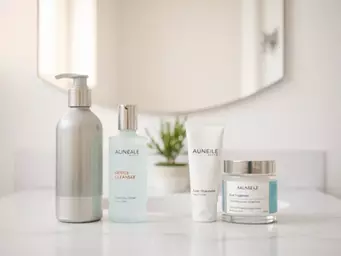
So, how do you build a skincare routine that works for you? Here’s a step-by-step guide to get you started:
- Cleanser: Use a gentle, sulfate-free cleanser that won’t strip your skin.
- Toner: Apply a toner with ingredients like witch hazel or salicylic acid to help control oil.
- Treatment: Incorporate an acne treatment product containing benzoyl peroxide or salicylic acid, depending on your skin’s needs.
- Moisturizer: Don’t skip this step! Choose a non-comedogenic moisturizer to keep your skin hydrated.
- Sunscreen: Protect your skin daily with a broad-spectrum sunscreen that’s suitable for acne-prone skin.
Additionally, consider lifestyle factors such as stress management, a balanced diet, and adequate hydration. These elements can significantly contribute to your skin's health! Remember, it’s about finding what works best for you, and sometimes that means experimenting with different products and routines.
Recap of Key Points
Here is a quick recap of the important points discussed in the article:
- Debunking acne myths helps reduce stigma and promotes effective skincare.
- Different types of acne, such as comedonal, inflammatory, cystic, and hormonal, require tailored treatment approaches.
- Monitoring hormonal fluctuations can aid in managing hormonal acne effectively.
- Cystic acne often requires professional treatment; prescription medications can provide relief.
- Creating an effective skincare routine includes using gentle cleansers, appropriate treatments, and moisturizers.