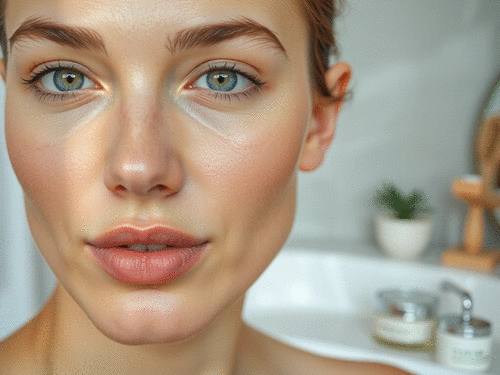
Recent studies have shown that over 85% of individuals will experience acne at some point in their lives. With a myriad of factors contributing to this common condition, understanding the various types and their causes is essential for effective management. Here’s what you will learn about navigating the complexities of acne.
What You Will Learn
- Acne is a chronic skin condition that can appear in different forms, such as inflammatory and non-inflammatory types.
- Common causes of acne differ by body area; for example, hormonal changes often affect facial acne, while sweat and friction contribute to back and chest acne.
- Diet and stress management play significant roles in acne development; high sugar and dairy intake can exacerbate breakouts, while mindfulness practices may help reduce stress-related flare-ups.
- Tailored skincare routines are essential for effective treatment; different types of acne require specific approaches, such as using benzoyl peroxide for facial acne and specialized products for body acne.
- Consulting a dermatologist can provide personalized treatment plans and insights that over-the-counter products may not offer.
Understanding Acne Triggers and Treatments
This visual summarizes the common causes of acne by body area and outlines various treatment approaches based on location.
Facial Acne Triggers
Hormonal changes, excessive oil production, and certain skincare products are primary contributors.
- Hormonal fluctuations (puberty, menstruation, pregnancy)
- Increased oil/sebum production
- Clogged pores from makeup or products
Back & Chest Acne Triggers
Often linked to environmental factors and friction, similar to body acne but with unique nuances.
- Sweat accumulation
- Tight or non-breathable clothing
- Improper cleansing post-exercise
- Friction from bags or clothing
Hormones & Environment
Significant role in oil production; external factors can exacerbate breakouts.
- Increased oil production due to hormones
- Pollution and humidity exposure
- Dietary impact (high sugar, dairy)
- Stress (hormonal changes from anxiety)
Tailored Treatments by Area
Effective treatment varies based on the specific body area affected by acne.
- Facial: Topical benzoyl peroxide, salicylic acid
- Back: Stronger prescription medications
- Chest: Specialized body breakout products
- Use non-comedogenic products always
Understanding Acne: Types and Causes Across Body Areas
Have you ever looked at a breakout and wondered, "What is this really?" Understanding acne is the first step toward managing it effectively. Acne is not just one thing; it comes in different types and can appear on various parts of your body. In this section, I’ll help you navigate the various forms of acne and what causes them, empowering you to take charge of your skincare journey!
Defining Acne: What You Need to Know
Acne is a chronic skin condition characterized by the appearance of pimples, blackheads, and cysts. It primarily affects the face, back, and chest, impacting people of all ages. Did you know that over 85% of people will experience acne at some point? This common condition can arise from a combination of factors, including hormonal fluctuations, clogged pores, and bacterial growth, leading to inflammation and breakouts.
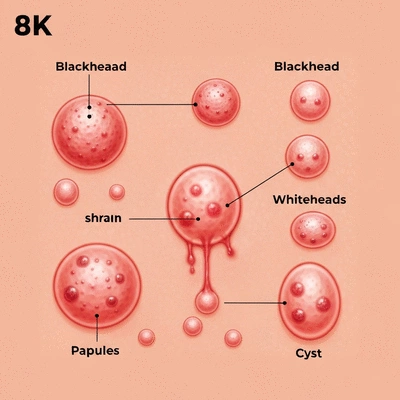
It’s crucial to differentiate between the types of acne, as this knowledge can guide your treatment options. Acne can be inflammatory, like cysts or papules, or non-inflammatory, such as blackheads and whiteheads. Each type requires a tailored approach. Let’s explore some common causes next!
Common Causes of Acne: Triggers by Body Area
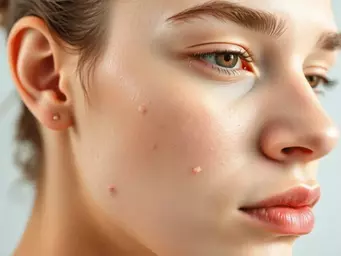
- Face: Hormonal changes, excessive oil production, and certain skincare products can lead to facial acne.
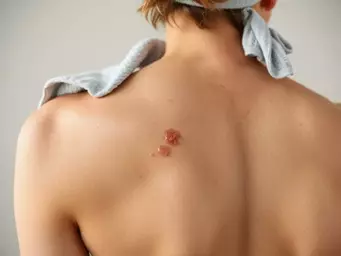
- Back: Sweat, tight clothing, and improper cleansing can create an environment for back acne.
- Chest: Similar to back acne, sweat and friction from clothing can contribute to chest breakouts.
Understanding these triggers is vital in determining the right skincare routine. For instance, if you struggle with back acne, focusing on breathable fabrics and regular exfoliation can make a difference!
The Role of Hormones and Environment in Acne Development
Hormonal fluctuations, especially during puberty, menstruation, or pregnancy, play a significant role in acne development. These changes can increase oil production in your skin, leading to clogged pores. Environmental factors such as pollution, humidity, and even your diet can also trigger breakouts, making it essential to assess your surroundings and lifestyle.
As a board-certified dermatologist, I've seen how patients can benefit from understanding their unique triggers. By identifying your specific acne causes, you can tailor your skincare routine to prevent future breakouts effectively!
Impact of Diet and Stress on Acne: What the Research Shows
Recent studies indicate that diet can significantly impact skin health. Foods high in sugar and dairy may contribute to acne flare-ups. On the other hand, incorporating antioxidant-rich foods like fruits and vegetables can support skin healing. Have you considered how your diet might be affecting your skin health? It's worth a thought!
Additionally, stress can exacerbate acne due to hormonal changes triggered by anxiety. Finding effective stress management techniques, such as mindfulness or exercise, can lead to clearer skin. Remember, addressing both your dietary choices and stress levels can be game-changers on your acne journey!
Interactive Poll
How do you think your lifestyle impacts your acne? Share your thoughts below:
Frequently Asked Questions About Acne
Q1: What are the main types of acne?
Acne can generally be categorized into inflammatory types, such as cysts and papules, and non-inflammatory types, which include blackheads and whiteheads. Each type requires a specific approach for effective treatment.
Q2: How do acne triggers differ for various body areas?
For facial acne, triggers often include hormonal changes and excessive oil. Back and chest acne are commonly linked to environmental factors like sweat, tight clothing, and improper cleansing post-exercise. Understanding these differences helps in tailoring treatment.
Q3: Can diet and stress affect acne?
Yes, diet and stress significantly impact acne. Foods high in sugar and dairy can exacerbate breakouts, while antioxidant-rich foods can aid skin healing. Stress can also trigger hormonal changes that worsen acne, making stress management crucial.
Q4: Why is it important to tailor skincare routines for acne?
Different types and locations of acne require specific treatments. For example, facial acne might benefit from benzoyl peroxide or salicylic acid, while back and chest acne may need stronger medications or specialized products. Tailoring your routine ensures targeted and effective treatment.
Q5: When should I consult a dermatologist for my acne?
Consulting a dermatologist is recommended when over-the-counter products are not effective, or if you need a personalized treatment plan. A dermatologist can diagnose specific acne types, recommend appropriate treatments, and guide you toward lasting results.
Summarizing Key Insights on Acne Treatment
As we navigate the complexities of acne treatment, it's essential to recognize that the approach can vary significantly based on the location of the acne. Each area of the body has its unique characteristics and requires tailored treatments. By understanding the differences between facial acne, back acne, and chest acne, we can better target our skincare routines and treatment plans to achieve clearer skin.
- Facial acne often includes types like blackheads and pimples, requiring specific topical treatments.
- Back acne can be more stubborn and may need stronger prescription medications.
- Chest acne may be mistaken for body acne but has unique causes and treatments.
Remember, the key to effective treatment lies in acknowledging these differences and acting accordingly. This way, we can optimize our efforts in combating acne and fostering healthy skin.
Final Thoughts on Tailored Treatments and Skincare Routines
Finding the right acne treatment doesn't have to feel daunting! Tailored skincare routines play a crucial role in achieving positive results. At Acne Clarity Hub, we emphasize the importance of adapting our products and methods based on individual skin types and acne locations.
- For facial acne, consider incorporating benzoyl peroxide or salicylic acid to keep pores clear.
- Back and chest acne may benefit from products designed to address body breakouts.
- Always remember to use non-comedogenic products to avoid clogging pores.
By understanding your unique needs, you can create a routine that supports your journey toward clearer skin! Don’t hesitate to make adjustments along the way as you discover what works best for you.

Encouragement to Seek Professional Advice
Why Consulting a Dermatologist Can Enhance Your Treatment Journey
As someone who has dedicated my career to understanding skin health, I cannot stress enough the value of seeking professional advice. Consulting a dermatologist can provide insights that over-the-counter products simply can't. A professional can help in diagnosing specific types of acne and recommend appropriate treatments tailored to your skin's needs. For more comprehensive guidance, the American Academy of Dermatology Association offers a wealth of resources on acne treatments.
Moreover, a dermatologist can guide you in understanding how your skin reacts to various treatments, ensuring that you're on the right path toward achieving your skincare goals.
Creating a Personalized Acne Treatment Plan for Lasting Results
Once you've consulted with a dermatologist, you'll likely begin to formulate a personalized acne treatment plan. This plan should consider not just the medications or treatments, but also your daily skincare routine. A well-structured plan can include:
- Daily cleansing practices to prevent breakouts.
- Targeted treatments for specific areas of concern.
- Regular follow-ups to assess progress and make necessary adjustments.
With a personalized approach, you'll be much better equipped to deal with acne effectively. Remember, consistency is key!
Understanding the Value of Acne Research and Studies in Treatment
The landscape of acne treatment is always evolving, thanks to ongoing research and studies. Understanding what current research says about acne can empower you to make informed decisions. For instance, studies have shown that:
- Dietary changes can impact acne severity.
- Stress management techniques can reduce breakouts.
- New treatments, like retinoids, are constantly being evaluated for effectiveness.
Staying informed about the latest findings can help you adapt your treatment strategy. At Acne Clarity Hub, we strive to keep our readers updated with reliable information, ensuring you have the tools needed to take control of your skin health!
Recap of Key Points
Here is a quick recap of the important points discussed in the article:
- Acne can appear in various forms, including inflammatory (cysts, papules) and non-inflammatory (blackheads, whiteheads).
- Common triggers for acne include hormonal changes, sweat, tight clothing, and improper cleansing specific to each body area (face, back, chest).
- Dietary choices and stress levels can significantly impact acne severity; incorporating antioxidant-rich foods and stress management techniques can help.
- Tailored treatments are essential; facial acne may require different products compared to back or chest acne.
- Consulting a dermatologist can provide personalized insights and effective treatment strategies for managing acne.