
What if the key to clearer skin lies in understanding the severity of your acne? By recognizing the differences between mild, moderate, and severe acne, you can make informed decisions about your skincare approach. This knowledge empowers you to seek the right treatments tailored to your specific condition.
What You Will Learn
- Mild Acne: Characterized by comedones (blackheads and whiteheads), often responsive to topical treatments.
- Moderate Acne: Includes papules and pustules, requiring a combination of topical and oral medications for effective management.
- Severe Acne: Defined by nodules and cysts, necessitating advanced treatments like isotretinoin to prevent potential scarring.
- Customized Treatment Plans: Treatment effectiveness varies by severity; understanding your acne type helps in selecting the right options.
Acne Severity Classification and Treatment Approaches
Understanding acne severity is key to effective treatment. This visual outlines the progression of acne grades and corresponding treatment strategies.
Mild Acne (Grade I & II)
Characteristics: Comedones (blackheads/whiteheads), Papules (small red bumps).
Treatment: Topical retinoids, benzoyl peroxide, daily gentle cleanser, moisturizer, sunscreen.
Moderate Acne (Grade III)
Characteristics: Pustules, Nodules (inflammatory lesions).
Treatment: Combination of topical medications and oral therapies (e.g., systemic antibiotics), potential hormonal therapy.
Severe Acne (Grade IV)
Characteristics: Cystic acne (painful, deep lesions), high risk of scarring.
Treatment: Isotretinoin, chemical peels, laser therapies, professional extractions.
Hormonal Therapy (Moderate to Severe)
Focus: Addressing hormonal fluctuations, particularly in women.
Treatment: Oral contraceptives to regulate hormones and reduce flare-ups.
Understanding Acne Severity: Classifying Mild, Moderate, and Severe Acne
Have you ever looked at your skin and wondered what type of acne you're dealing with? Understanding acne severity is essential in pinpointing effective treatment strategies. Acne is typically classified into four grades—ranging from Grade I, which is mild, to Grade IV, which is severe. Each grade reflects different characteristics that can significantly influence your skincare journey.
In Grade I, you might notice comedones, commonly known as blackheads and whiteheads. Grade II introduces papules, which are small, inflamed bumps. Moving to Grade III, you encounter pustules and nodules, indicating a more serious condition. Finally, Grade IV includes cystic acne, which is painful and can lead to scarring if not treated properly. Recognizing these distinctions can help you and your dermatologist chart a path to clearer skin!
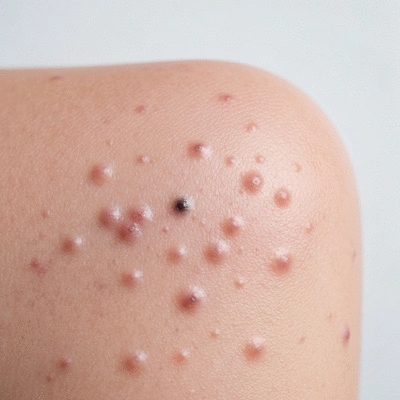
A Comprehensive Overview of Acne Classification
- Grade I: Comedones (blackheads and whiteheads)
- Grade II: Papules (small red bumps)
- Grade III: Pustules and nodules (inflammatory lesions)
- Grade IV: Cystic acne (painful, deep lesions)
Each grade offers key insights into the treatment plan that will work best for you. Understanding these classifications is not only about identifying what’s going on with your skin; it’s also about feeling empowered to make informed choices regarding your treatment options.
How Acne Severity Impacts Treatment Choices
Classifying acne severity is like having a roadmap for your skincare journey. It allows me, as a dermatologist, to tailor treatment plans that specifically address your skin condition. For instance, what works for someone with mild acne might not be effective for someone battling severe cystic acne. This classification process is crucial because it ensures that you receive the most appropriate care and avoid ineffective products.
Additionally, patients can better understand the implications of their acne. For example, someone with moderate acne might need both topical and oral treatments, while someone with mild acne could benefit from over-the-counter products and lifestyle changes. Knowing your grade helps you set realistic expectations for your skincare journey!
Customized Treatment Plans Based on Acne Severity
Effective Approaches for Mild Acne Treatment
When it comes to treating mild acne, we often start with topical treatments like retinoids and benzoyl peroxide. These are great because they work by unclogging pores and reducing inflammation. But remember, your skincare routine is just as important!
- Daily gentle cleanser: Helps remove excess oil and dirt.
- Moisturizer: Keeps skin hydrated and balanced.
- Sunscreen: Essential to protect your skin from UV damage.
Making these simple lifestyle modifications can significantly improve your skin’s condition. Starting with a basic routine often lays the foundation for lasting results. I always tell my patients that consistency is key in achieving clear skin.
Tailored Strategies for Moderate Acne Management
For those of you experiencing moderate acne, your treatment plan might include a combination of topical medications and oral therapies. Systemic antibiotics, for example, can help reduce bacteria on the skin that contribute to acne. We might also consider incorporating referrals to dermatologists if necessary.
It’s essential to recognize when it’s time to escalate treatment. If your acne does not respond to standard topical solutions, don’t hesitate to reach out for further assistance. Together, we can develop a comprehensive approach tailored to your needs!
Addressing Severe Acne: Comprehensive Treatment Solutions
If you're dealing with severe acne, advanced treatment options become necessary. Isotretinoin is one of the most effective treatments for severe cases, often leading to lasting improvement. However, it requires careful monitoring due to its potential side effects.
- Chemical peels: Help reduce scars and clear clogged pores.
- Laser therapies: Target inflammation and promote healing.
- Professional extractions: Safely remove stubborn acne lesions.
These solutions can be invaluable for achieving long-term relief from severe acne. As your dermatologist, I'm here to guide you through each step—ensuring that you understand the benefits and risks involved.
The Role of Hormonal Therapy in Acne Treatment
For some, hormonal fluctuations are a significant contributor to acne, especially for women. Hormonal therapy can be an effective treatment for moderate to severe cases, particularly when traditional methods have failed to yield results. This approach often includes oral contraceptives that help regulate hormones and reduce acne flare-ups.
I work closely with my patients to determine if hormonal therapy is the right fit for them. By considering factors such as age, medical history, and personal preferences, we can create a comprehensive plan that addresses all aspects of acne management!
Interactive Poll: What's Your Biggest Acne Concern?
We want to hear from you! Understanding your concerns can help shape future content and resources. Please let us know:
Frequently Asked Questions About Acne Severity and Treatment
- Q: How is acne severity typically classified?
- A: Acne is generally classified into four grades: Grade I (mild) with comedones; Grade II (mild-moderate) with papules; Grade III (moderate) with pustules and nodules; and Grade IV (severe) with painful cystic acne.
- Q: What are the primary characteristics of mild acne?
- A: Mild acne is characterized by comedones (blackheads and whiteheads) and sometimes a few papules. It typically responds well to topical treatments.
- Q: What treatments are recommended for moderate acne?
- A: Moderate acne often requires a combination of topical medications (like retinoids and benzoyl peroxide) and oral therapies, such as systemic antibiotics or hormonal therapy, to manage papules, pustules, and nodules.
- Q: What are the treatment options for severe acne?
- A: Severe acne, including cystic acne, necessitates advanced treatments like isotretinoin, chemical peels, laser therapies, and professional extractions to prevent scarring and achieve long-term relief.
- Q: When should I consider hormonal therapy for acne?
- A: Hormonal therapy is often considered for moderate to severe acne, particularly in women, when traditional treatments have not been effective. It helps regulate hormonal fluctuations that contribute to breakouts.
- Q: Why is it important to consult a dermatologist for acne?
- A: Consulting a dermatologist is crucial for an accurate assessment of your acne severity and to develop a personalized treatment plan. This ensures you receive the most appropriate and effective care, minimizing the risk of scarring and other complications.
Key Takeaways on Acne Classification and Treatment
Understanding acne severity is crucial for managing skin health effectively. By classifying acne into mild, moderate, and severe categories, individuals can tailor their approach to treatment. This categorization not only guides the selection of appropriate therapies but also enhances the overall treatment experience.
It's essential to remember that each acne type has unique characteristics and treatment needs. Here are some key points to consider:
- Mild Acne: Often involves comedones and may respond well to topical treatments.
- Moderate Acne: Can include a mix of papules and pustules, requiring a combination of topical and oral medications.
- Severe Acne: Characterized by nodules and cysts, necessitating advanced treatment options to prevent scarring.
By embracing these takeaways, individuals can approach their skincare routines with confidence, knowing that informed decisions lead to clearer skin!
Encouraging Patients to Take Action
As a board-certified dermatologist, I often find that many patients feel overwhelmed by the options available for acne treatment. If you're struggling with acne, I encourage you to consult with dermatology professionals who can provide a personalized assessment tailored to your unique needs. Together, we can work towards a treatment plan that suits your skin type and lifestyle.
Remember, seeking help is the first step towards reclaiming your confidence. Your journey to clearer skin starts with understanding your condition and getting the right support. So, take action today and let’s uncover the best path forward for your skin health!
Recap of Key Points
Here is a quick recap of the important points discussed in the article:
- Mild Acne: Characterized by comedones (blackheads and whiteheads), often treatable with topical solutions.
- Moderate Acne: Involves papules and pustules, usually requiring a combination of topical and oral medications.
- Severe Acne: Features nodules and cysts, necessitating advanced treatments like isotretinoin and professional therapies.
- Customized Care: Understanding your acne severity is crucial for tailoring an appropriate treatment plan.
- Seek Professional Help: Consulting with a dermatologist can greatly enhance treatment outcomes and provide personalized solutions.