
Are you struggling with persistent acne and searching for effective treatments? Chemical peels offer a transformative solution, potentially clearing your skin and boosting your confidence. Let's delve into the key insights that can empower your skincare journey!
What You Will Learn
- Chemical peels exfoliate the skin, helping to clear breakouts and improve skin texture.
- Different types of peels, including salicylic, glycolic, and lactic acid, target specific skin concerns.
- Consultation with a dermatologist is crucial for personalized treatment and to select the right peel for your skin type.
- Regular treatments can enhance outcomes, but it's important to manage expectations based on individual skin responses.
Types of Chemical Peels for Acne Treatment
Each peel type targets specific skin concerns, offering unique benefits for various acne conditions and skin sensitivities. Selecting the right peel is crucial for effective treatment.
Salicylic Acid Peels
Best For: Acne Vulgaris, oily/combination skin.
Frequency: Every 4-6 weeks.
Penetrates pores, clears oil, reduces breakouts.
Glycolic Acid Peels
Best For: Acne scars, uneven texture.
Mechanism: Stimulates collagen, promotes skin turnover.
Improves texture & tone; use with caution for sensitive skin.
Lactic Acid Peels
Best For: Sensitive, dry skin.
Benefits: Gentle exfoliation, hydration.
Milder treatment, less irritation.
TCA Peels
Best For: Severe acne, stubborn discoloration.
Potency: Deeper penetration.
More potent, longer recovery, significant results.
Jessner’s Solution
Best For: Inflammatory acne.
Composition: Salicylic, Lactic, Resorcinol.
Combination approach, enhanced benefits.
Understanding Chemical Peels for Acne Treatment
When it comes to acne treatment, chemical peels can be a transformative option! These specialized treatments use chemical solutions to exfoliate the skin, removing dead skin cells and helping to clear up breakouts. As someone who's passionate about effective skincare, I want to share how chemical peels work and what you can expect.
What Are Chemical Peels and How Do They Work?
Defining Chemical Peels in Dermatology
A chemical peel is a dermatological procedure that involves applying a solution to the skin to improve its texture and appearance. This treatment falls into three categories: superficial, medium, and deep peels, each varying in strength and effectiveness. Superficial peels, often based on alpha-hydroxy acids (AHAs) or beta-hydroxy acids (BHAs), are commonly used for treating acne and minor skin imperfections.
At Acne Clarity Hub, I focus on educating my readers about these options, ensuring you understand what each type can do for your skin. For anyone battling acne, a chemical peel can be a key tool in your skincare regimen.
Mechanism of Action on Acne
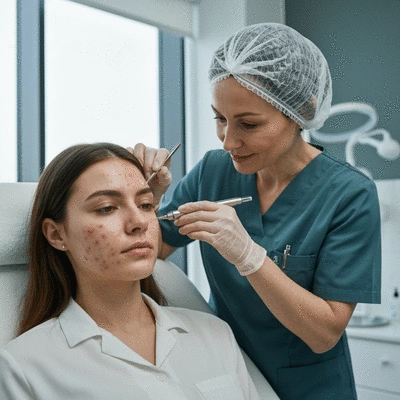
Chemical peels work by exfoliating the outer layers of skin, promoting cell turnover and allowing fresh skin to emerge. This process can help unclog pores, reduce inflammation, and ultimately decrease the frequency of breakouts. By peeling away the damaged top layer, the skin can heal better, which is especially beneficial for those suffering from acne vulgaris, a common skin condition.
To give you a clearer picture, here are some ways chemical peels impact acne:
- Unclogs pores and reduces blockage
- Minimizes the appearance of acne scars
- Reduces oiliness and inflammation
- Enhances the effectiveness of topical treatments
Exploring the Various Types of Chemical Peels for Acne
Now that we've covered what chemical peels are, let's dive into the different types available! Each peel has unique properties and benefits, making it essential to choose the right one for your skin type and specific acne concerns.
Salicylic Acid Peels: A Focus on Acne Vulgaris
Benefits and Ideal Candidates for Salicylic Acid
Salicylic acid peels are perfect for those struggling with acne vulgaris. This type of peel is especially effective because salicylic acid is a beta-hydroxy acid that can penetrate deep into the pores, clearing out excess oil and dead skin cells. It's great for reducing the severity of breakouts and preventing future acne.
Ideal candidates for a salicylic acid peel include:
- Teenagers and young adults experiencing acne
- Individuals with oily and combination skin
- People who have not responded well to topical treatments
Expected Results and Treatment Frequency
The results from salicylic acid peels can be quite promising! After a few sessions, many notice clearer skin and a reduction in acne flare-ups. Typically, these peels are performed every 4 to 6 weeks, allowing the skin to fully heal between treatments. This timing helps maximize the benefits while minimizing irritation.
Glycolic Acid Peels: Effects on Exfoliation and Skin Texture
How Glycolic Acid Treats Acne Scars
Glycolic acid, an alpha-hydroxy acid, is another fantastic option for those looking to improve their skin texture and tone. This peel not only helps with active acne but also works wonders on acne scars by stimulating collagen production and promoting even skin turnover.
As someone who's seen the benefits firsthand, I encourage readers with post-acne marks to consider glycolic acid peels as part of their treatment plan!
Safety Profile and Skin Compatibility
Glycolic acid peels are generally safe for most skin types, but those with sensitive skin should proceed with caution. I recommend consulting with a dermatologist to determine if this peel is the right fit for your unique skin needs. Remember, safety first!
Lactic Acid Peels: Benefits for Sensitive Skin
Using Lactic Acid for Gentle Exfoliation
If you have sensitive skin, you might want to explore lactic acid peels. Known for its gentle exfoliating properties, lactic acid is derived from milk and can help hydrate while removing dead skin cells. This makes it a great option for those who want exfoliation without harsh irritation.
Who Should Consider Lactic Acid Peels?
Lactic acid peels are ideal for individuals with:
- Sensitive or reactive skin types
- Dry skin that needs hydration
- Those who prefer a milder treatment approach
In my experience, many patients have found success with lactic acid peels, making their skincare journey much more manageable!

Trichloroacetic Acid (TCA) Peels: Strength and Efficacy
When to Choose TCA for More Severe Acne
For those dealing with more severe acne, trichloroacetic acid (TCA) peels can be a powerful solution. TCA peels penetrate deeper into the skin, effectively treating stubborn acne while addressing uneven texture and discoloration.
Recovery Process and Expected Outcomes
Because TCA peels are more potent, the recovery process may take somewhat longer. It's crucial to follow post-treatment care instructions carefully to ensure optimal results. However, many patients report significant improvements in their skin within a few weeks!
Jessner’s Solution: A Combination Approach
Benefits of Using Jessner’s for Inflammatory Acne
Finally, Jessner’s solution combines multiple acids, making it a comprehensive option for treating inflammatory acne. The blend of salicylic acid, lactic acid, and resorcinol works synergistically, providing both exfoliation and anti-inflammatory benefits.
Combining With Other Treatments for Enhanced Results
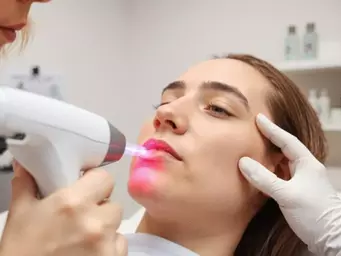
Jessner’s solution can be effectively paired with other acne treatments, such as topical medications or laser therapy, to enhance results. As always, I recommend discussing your treatment plan with a dermatologist to ensure you’re making the best choices for your skin.
Pro Tip
To maximize the benefits of your chemical peel, consider incorporating a gentle skincare routine before and after treatment. Use a mild cleanser and a hydrating moisturizer to prepare your skin. After your peel, be diligent about applying sunscreen daily to protect your newly revealed skin and prevent hyperpigmentation.
Summarizing the Benefits and Expectations of Chemical Peels for Acne
As we dive into the world of chemical peels, it’s essential to reflect on their significance in treating acne. Consulting with a dermatologist is the first and most crucial step in this journey. Each peel works differently, targeting specific skin concerns and types, so understanding your unique needs is vital.
During our consultations at Acne Clarity Hub, we emphasize the importance of tailoring treatments. Here’s why consulting with a dermatologist is essential:
- Identifying your skin type and specific acne concerns
- Determining the most effective peel for your needs
- Understanding potential side effects and post-treatment care
Once you have a personalized plan, you'll be well on your way to clearer skin! You’ll also gain insight into what’s next in your acne treatment journey, ensuring you’re never left in the dark.
Encouraging Informed Decision-Making About Acne Treatments
When considering chemical peels, it's important to view them as a viable option in your acne management toolkit. They can offer significant benefits but must be weighed against potential drawbacks.
To help make an informed decision, consider these pros and cons of chemical peels:
- Pros: Effective in treating acne scars, promoting cell turnover, and improving overall skin texture.
- Cons: Possible side effects include redness and peeling, and treatments can be cost-prohibitive for some.
Ready to explore chemical peels further? Take the first step by booking your consultation with a dermatologist. Here's how to get started:
- Research local dermatologists or skincare clinics specializing in chemical peels.
- Schedule an appointment to discuss your specific skin concerns.
- Prepare a list of questions to ensure you cover all aspects of the treatment.
Patient Reviews and Expected Results
Understanding the experiences of others can be incredibly valuable as you contemplate chemical peels. Analyzing before and after photos can provide realistic expectations about what to anticipate after your treatment.
Additionally, learning from other patients' experiences can offer insights that can enhance your own journey. Here are some key takeaways:
- Many patients report significant improvements in their acne and skin texture.
- Realistic expectations are crucial; results can vary from person to person.
- Consistent follow-up treatments can enhance and maintain results over time.
At Acne Clarity Hub, we encourage you to explore these reviews as part of your research. With knowledge and the right support, you can confidently navigate your acne treatment journey!
Frequently Asked Questions About Chemical Peels for Acne
- What is a chemical peel, and how does it help with acne?
- A chemical peel is a dermatological procedure that uses a chemical solution to exfoliate the skin, removing dead skin cells and promoting cell turnover. This process helps to unclog pores, reduce inflammation, minimize acne scars, and decrease breakouts.
- What are the different types of chemical peels for acne?
- Common types include Salicylic Acid Peels (best for acne vulgaris and oily skin), Glycolic Acid Peels (good for acne scars and texture), Lactic Acid Peels (gentle for sensitive, dry skin), TCA Peels (for severe acne and discoloration), and Jessner’s Solution (a combination for inflammatory acne).
- How often should I get a chemical peel for acne?
- Treatment frequency varies depending on the type of peel and individual skin response. Salicylic acid peels, for instance, are typically performed every 4 to 6 weeks. Your dermatologist will recommend an appropriate schedule.
- Are chemical peels safe for sensitive skin?
- While some peels like Glycolic Acid require caution for sensitive skin, Lactic Acid Peels are specifically known for their gentle exfoliating properties, making them suitable for sensitive or reactive skin types. Always consult a dermatologist to determine the best peel for your skin.
- What are the potential side effects and recovery process for chemical peels?
- Common side effects can include redness, peeling, and mild irritation. More potent peels like TCA may have a longer recovery period. Following post-treatment care instructions, including diligent sunscreen application, is crucial for optimal results and minimizing risks.
Recap of Key Points
Here is a quick recap of the important points discussed in the article:
- Chemical peels can effectively treat acne by exfoliating the skin and promoting cell turnover.
- Different types of chemical peels, such as salicylic acid, glycolic acid, and lactic acid, target various skin concerns.
- Consulting with a dermatologist is essential for determining the best peel for your skin type and specific acne issues.
- Understanding the expected results and treatment frequency can help maximize the benefits of chemical peels.
- Patient reviews indicate significant improvements in skin texture and acne with consistent follow-up treatments.