What if the key to clearer skin lies in understanding your breakouts? By distinguishing between blackheads and whiteheads, you can tailor your skincare routine to combat these common nuisances effectively.
What You Will Learn
- Blackheads are open comedones that darken due to oxidation, while whiteheads are closed comedones that remain beneath the skin's surface.
- Excess oil production, dead skin cell buildup, and environmental pollutants contribute to the formation of blackheads.
- Whiteheads can become inflamed if left untreated, potentially leading to more severe acne issues.
- Balancing sebum levels is essential for preventing clogged pores and maintaining healthy skin.
- Effective treatments include over-the-counter products with salicylic acid, professional treatments like chemical peels, and natural remedies such as tea tree oil.
- Creating a personalized skincare routine based on your skin type can significantly improve your skin's health.
Blackheads vs. Whiteheads: Key Distinctions
Both blackheads and whiteheads are common forms of acne, stemming from clogged pores. Understanding their differences is key to effective treatment.
Blackheads (Open Comedones)
- ✓ Pore Status: Open
- ✓ Appearance: Dark bump
- ✓ Cause: Oxidation of clogged material
- ✓ Contributing Factors: Excess oil, dead skin, pollutants
Whiteheads (Closed Comedones)
- ✓ Pore Status: Closed
- ✓ Appearance: Small, white bump
- ✓ Cause: Trapped oil, bacteria, dead skin
- ✓ Potential: Can become inflamed if untreated
Understanding the Distinctions: Blackheads vs. Whiteheads
As a dermatologist, I've seen many individuals confused about the differences between blackheads and whiteheads. Understanding these distinctions is crucial in effectively treating acne. Both conditions stem from clogged pores, but they manifest differently and require tailored treatment approaches.
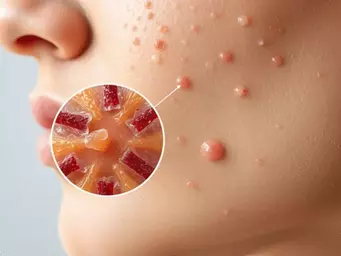
Blackheads, also known as open comedones, are small, dark bumps that appear on the skin's surface. They form when hair follicles become clogged with a combination of oil and dead skin cells. The open pore allows the clogged material to oxidize, which gives blackheads their signature dark appearance.
What Are Blackheads and How Do They Form?
In essence, blackheads are a common form of acne caused by the accumulation of sebum and debris in the pores. When the follicle is partially blocked but remains open at the surface, the material inside oxidizes and turns dark. This process can be exacerbated by hormonal changes, poor skincare routines, and environmental factors.
- Excess oil production
- Dead skin cell buildup
- Environmental pollutants
Understanding these causes can help you take proactive steps towards clearer skin. For instance, seeking products that target excess oil can be a game-changer!
What Are Whiteheads and Their Development Process?
On the other hand, whiteheads are known as closed comedones. They occur when a pore is completely clogged, trapping oil, bacteria, and dead skin beneath the surface. This closure prevents oxidation, resulting in small, white bumps on the skin.
When left untreated, whiteheads can become inflamed and lead to more severe types of acne. It’s essential to address them with the right treatments to prevent worsening skin issues.
The Role of Sebum in Blackheads and Whiteheads Formation
Sebum, the natural oil produced by our skin, plays a significant role in the formation of both blackheads and whiteheads. An overproduction of sebum can clog pores, creating the perfect environment for these comedones to develop.
- Balanced sebum levels are essential for healthy skin.
- Too much sebum can lead to clogged pores.
- Proper skincare routines can regulate oil production.
By understanding how sebum affects your skin, you can make more informed choices about your skincare products and routines. Remember, maintaining a balance is key to achieving healthy, clear skin!
Pro Tip
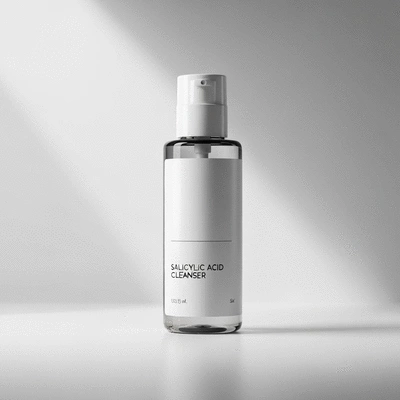
To effectively manage blackheads and whiteheads, consider incorporating a salicylic acid cleanser into your daily routine. This ingredient penetrates pores to dissolve the debris and excess oil that can lead to breakouts, helping to keep your skin clearer and healthier.
Recap and Final Thoughts on Managing Blackheads and Whiteheads
Understanding the differences between blackheads and whiteheads is crucial for effective skincare management. Blackheads, or open comedones, are caused by clogged pores that remain open and darken due to exposure to air. In contrast, whiteheads, or closed comedones, occur when pores become clogged and remain closed, often leading to inflammation if left untreated. Knowing these distinctions helps tailor your approach to treatment and prevention!
When it comes to treatment options, there are various approaches to consider:
- Over-the-counter treatments: Products containing salicylic acid and benzoyl peroxide work effectively for both types of comedones.
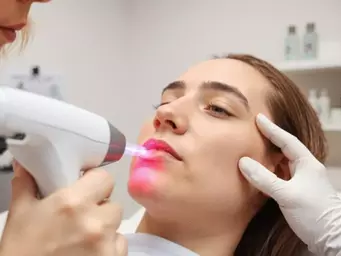
- Professional treatments: Chemical peels, microdermabrasion, and laser therapy can address persistent cases.
- Natural remedies: Options like tea tree oil and clay masks can also help manage breakouts.
By exploring these options, you can find what works best for your skin and lifestyle. Regular exfoliation and using non-comedogenic products will further aid in keeping your skin healthy. Remember, consistency is key!
Frequently Asked Questions (FAQs)
What is the main difference between blackheads and whiteheads?
Blackheads are open comedones where the clogged pore is exposed to air, causing the trapped oil and dead skin to oxidize and turn dark. Whiteheads are closed comedones, meaning the pore is completely clogged beneath the skin's surface, resulting in a small, white bump that does not oxidize.
What causes blackheads and whiteheads?
Both blackheads and whiteheads are caused by clogged pores resulting from excess sebum (oil) production, accumulation of dead skin cells, and sometimes bacteria. Environmental pollutants and hormonal changes can also contribute to their formation.
Can whiteheads become inflamed?
Yes, if whiteheads are left untreated, they can become inflamed, potentially leading to more severe forms of acne like papules or pustules.
What treatments are effective for blackheads and whiteheads?
Effective treatments include over-the-counter products containing salicylic acid or benzoyl peroxide, professional treatments such as chemical peels and microdermabrasion, and certain natural remedies like tea tree oil or clay masks.
How can I prevent blackheads and whiteheads?
Preventative measures include maintaining a consistent skincare routine, using non-comedogenic products, regular exfoliation, and balancing sebum levels. Consulting a dermatologist for personalized advice can also be beneficial.
Encouraging a Healthier Skin Journey
As you navigate your skincare journey, I encourage you to reflect on your choices and habits. Are you using products that align with your skin type? Are you considering professional guidance when necessary? The truth is, personalized treatment plans can make a world of difference in achieving clear skin.
At Acne Clarity Hub, we're here to empower you with knowledge. Don't hesitate to reach out if you have questions or need tailored advice! Your journey towards healthier skin is unique, and I'm passionate about helping you find the right path!
Recap of Key Points
Here is a quick recap of the important points discussed in the article:
- Blackheads (open comedones) are caused by clogged pores that remain open, leading to oxidation and darkening.
- Whiteheads (closed comedones) occur when pores are completely clogged, trapping oil and bacteria beneath the surface.
- Balanced sebum production is crucial for preventing both blackheads and whiteheads.
- Effective treatments include over-the-counter products with salicylic acid, professional treatments like chemical peels, and natural remedies.
- Consistency in skincare routines and using non-comedogenic products will help maintain clear skin.