Did you know that the foods you eat can significantly impact your skin health? Understanding the link between diet and acne can empower you to make better choices for clearer skin. Let's explore how simple dietary adjustments can help manage acne effectively.
What You Will Learn
- High glycemic foods, like white bread and sugary snacks, can trigger acne by causing insulin spikes.
- Incorporating low-glycemic foods, such as whole grains and leafy greens, can help maintain stable insulin levels and improve skin health.
- An anti-inflammatory diet rich in omega-3 fatty acids and antioxidants can reduce acne breakouts and promote skin healing.
- Avoiding dairy products and processed foods can help balance hormones and minimize acne severity.
Dietary Impact on Acne Formation and Management
Understanding how certain dietary choices influence acne can empower you to make informed decisions for clearer skin. The visual below highlights key factors and actionable steps.
How Diet Influences Acne
High-glycemic foods lead to insulin spikes, increasing oil production.
Dairy & processed foods can elevate hormones, triggering breakouts.
Inflammatory foods (sugar, unhealthy fats) worsen skin condition.
Low-Glycemic Diet Benefits
Stabilizes insulin levels, leading to fewer acne lesions.
Improves overall skin health and clarity.
Includes whole grains, berries, and leafy green vegetables.
Foods to Embrace for Clear Skin
Omega-3s: Fish, walnuts, flaxseeds (anti-inflammatory).
Antioxidants: Berries, nuts, dark chocolate (protect skin).
Fiber-rich: Whole grains, legumes, fruits (digestion & detox).
Foods to Limit for Better Skin
High-GI: White bread, chips, sugary cereals (insulin spikes).
Dairy: Cow's milk (linked to increased acne severity).
Sugary snacks: Cause inflammation and worsen conditions.
Understanding the Link Between Diet and Acne
Have you ever noticed how certain foods can affect your skin? Understanding the connection between diet and acne is crucial for anyone looking to reclaim their confidence. Research shows that what we eat can significantly impact how our skin behaves, especially when it comes to breakouts. Let’s dive into the mechanisms that link diet and acne formation.
How Does Diet Impact Acne Formation?
When we consume foods with a high glycemic load, it triggers a spike in our insulin levels. This spike can lead to increased oil production in the skin, which is one of the primary contributors to acne. Hormones play a critical role too; certain dietary choices can influence the hormonal balance in our bodies, making us more prone to breakouts. According to an article from PMC NCBI, dietary factors are significant in acne pathogenesis.
- High glycemic foods: Foods like white bread and sugary snacks cause rapid spikes in blood sugar, leading to acne.
- Increased hormones: Dairy products and processed foods can elevate hormone levels that trigger acne.
- Inflammation: Diets high in sugar and unhealthy fats can promote inflammation, exacerbating acne.
Recognizing these effects can empower you to make informed dietary choices that could help reduce your acne.

The Role of Glycemic Index in Acne Management
Adopting a low-glycemic diet can work wonders for your skin! Studies suggest that foods with a low glycemic index (GI) help keep insulin levels stable. This stability can lead to fewer acne lesions and improved skin health overall. By choosing low-GI foods, you're making a smart move towards clearer skin, as highlighted in a resource from the British Dietetic Association.
- Whole grains: Oats, barley, and quinoa are great options.
- Fruits: Berries, apples, and pears are delicious and low-GI.
- Vegetables: Leafy greens and most other veggies are excellent choices.
Incorporating these foods into your daily meals can help in managing acne effectively!
The Impact of Inflammation on Acne Development
Did you know that inflammation plays a significant role in the development of acne? Consuming inflammatory foods—such as those rich in refined sugars and unhealthy fats—can worsen your skin's condition. On the other hand, an anti-inflammatory diet can help reduce breakouts and promote skin healing.
- Processed foods: These often contain additives that can trigger inflammation in the body.
- Red meats and dairy: Some studies suggest they can exacerbate inflammatory responses.
- Healthy alternatives: Foods rich in omega-3 fatty acids, like salmon, and colorful fruits and veggies can combat inflammation.
By focusing on reducing inflammation through dietary changes, you can make a positive impact on your skin health.
Science-Backed Dietary Changes for Clear Skin
Recommended Foods for Acne Prevention
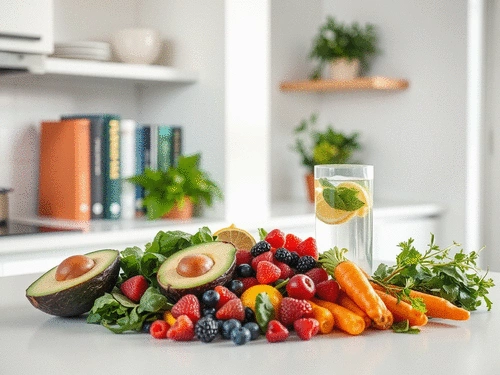
Eating well can be your secret weapon against acne! Incorporating anti-inflammatory foods can significantly impact your skin's appearance, and for more tips on healthier skin, you can refer to guidance from Rush University. Here are some foods to consider adding to your diet:
- Omega-3 fatty acids: Found in fish, walnuts, and flaxseeds, they help reduce inflammation.
- Antioxidants: Berries, nuts, and dark chocolate are great sources that can protect your skin.
- Fiber-rich options: Whole grains, legumes, and fruits promote healthy digestion and help detoxify the body.
With these foods, you're not just nourishing your body; you’re actively promoting clearer skin!
Foods to Avoid for Better Skin Health
Let’s talk about some food culprits you might want to steer clear of. Certain foods can aggravate acne and lead to more breakouts. Here are some offenders:
- High-GI foods: White bread, chips, and sugary cereals can spike your insulin levels.
- Dairy products: Especially cow's milk, which some studies link to increased acne severity.
- Sugary snacks and drinks: These can cause inflammation and worsen skin conditions.
By avoiding these foods, you can take significant steps toward achieving better skin health.

The Importance of Vitamins and Minerals in Skin Health
Nutrients play a pivotal role in maintaining clear skin. Vitamins and minerals like zinc and vitamins A, E, and D are vital for skin health. For instance, zinc has anti-inflammatory properties that help reduce acne lesions, while vitamins A and E promote skin healing and regeneration.
- Zinc-rich foods: Include pumpkin seeds, chickpeas, and lentils.
- Vitamin A sources: Carrots, sweet potatoes, and spinach can support skin health.
- Vitamin E sources: Nuts, seeds, and avocados are excellent for skin nourishment.
Incorporating these nutrients into your daily meals can contribute significantly to clearer, healthier skin!
Pro Tip
Did you know? Keeping a food diary can greatly enhance your ability to identify which foods may be contributing to your acne. By tracking what you eat and noting any breakouts, you can pinpoint specific triggers and make informed dietary changes to support clearer skin.
Frequently Asked Questions About Diet and Acne
Key Takeaways for Clear Skin Through Diet and Lifestyle
As we wrap up our discussion on the connection between diet and acne, it's important to highlight some essential changes and lifestyle habits that can support clearer skin. Our journey at Acne Clarity Hub has shown that while there is no one-size-fits-all solution, certain dietary adjustments can make a significant impact. Let's explore these key takeaways!
First and foremost, adopting a balanced diet rich in anti-inflammatory foods, low-glycemic options, and essential nutrients can help you manage and reduce acne breakouts. Remember, every small change counts!
Actionable Steps for Implementing Dietary Changes
Ready to make some changes? Here are some actionable steps to help you start your journey toward clearer skin:
- Incorporate more fruits and vegetables into your meals.
- Choose whole grains over refined grains.
- Include sources of omega-3 fatty acids, like fatty fish and walnuts.
- Stay hydrated! Aim for at least 8 glasses of water a day.
- Track how these changes affect your skin.
By taking these manageable steps, you can gradually see improvements in your skin's health. Remember, consistency is key, and finding what works best for you may take some time!
Understanding the Role of Skincare Routines in Acne Management
While dietary changes are crucial, they work best when paired with a consistent skincare routine. Here’s what you can focus on:
- Use gentle cleansers to avoid over-drying your skin.
- Incorporate topical treatments such as benzoyl peroxide or salicylic acid.
- Consider adding chemical exfoliants to your regime for improved skin texture.
- Don't forget to moisturize! A suitable moisturizer is vital for maintaining skin hydration.
Combining these skincare practices with your dietary efforts can lead to improved outcomes. I often advise my patients at Acne Clarity Hub to establish a regimen that complements their dietary changes for the best results.
Invitation to Share Experiences and Questions
Now that we've covered a lot of ground, I’d love to hear from you! Have you tried any dietary changes that positively impacted your skin? Or do you have questions about specific foods or skincare products? Join the conversation! Feel free to share your experiences in the comments below. Remember, we’re all on this journey together, and your insights could help someone else on their path to clearer skin!
Recap of Key Points
Here is a quick recap of the important points discussed in the article:
- Diet significantly impacts acne formation, particularly through high glycemic foods and hormonal influences.
- Adopting a low-glycemic diet with whole grains, fruits, and vegetables can help manage acne effectively.
- Inflammatory foods, including processed items and high-sugar snacks, can worsen acne; focus on anti-inflammatory options instead.
- Incorporate omega-3 fatty acids, antioxidants, and fiber-rich foods to support skin health and reduce breakouts.
- Avoid high-GI foods, dairy, and sugary snacks to improve overall skin health.
- Essential vitamins and minerals like zinc, vitamins A, E, and D play a critical role in maintaining clear skin.
- Consistency in dietary changes and skincare routines is key to achieving and maintaining clear skin.