Understanding the role of sebum in skin health is crucial for anyone looking to improve their skincare routine or manage acne effectively. The insights shared in this article can empower you to make informed choices about your skin.
What You Will Learn
- Sebum is essential for skin hydration and protection against environmental stressors.
- Imbalances in sebum production can lead to skin issues, including various forms of acne.
- Hormonal fluctuations, particularly androgens, significantly impact sebum production.
- Non-comedogenic products can help maintain clear skin by preventing clogged pores.
- A holistic approach, including diet and stress management, is vital for optimal skin health.
- Regular consultations with dermatology professionals can provide tailored skincare advice.
The Dual Nature of Sebum: Protection vs. Problem
Sebum is essential for skin health, but an imbalance can lead to issues. This visual illustrates its biological functions and common causes of overproduction.
Biological Functions of Sebum
- ✓ Moisturization: Prevents water loss, keeps skin hydrated.
- ✓ Protection: Barrier against microbes & environmental stressors.
- ✓ Temperature Regulation: Aids in maintaining skin temperature.
Causes of Excess Sebum Production
- • Androgens: Hormones (e.g., testosterone) stimulate sebaceous glands.
- • Genetics: Inherited tendency for higher sebaceous gland activity.
- • Hormonal Imbalances: Fluctuations (menstrual cycle, stress) increase oiliness.
Understanding Sebum and Its Role in Skin Health
Have you ever wondered why your skin feels oily or shiny? That greasy substance is called sebum, and it plays a crucial role in maintaining healthy skin. As a board-certified dermatologist, I often explain to my patients that sebum is produced by sebaceous glands, which are located in the skin. Understanding how sebum functions can be the key to unlocking better skincare routines and managing conditions like acne.
In essence, sebum is a natural oil that helps protect our skin. It not only keeps our skin moisturized but also forms a barrier against external irritants and bacteria. When we grasp its protective properties, we can better appreciate the balance necessary for optimal skin health.
The Biological Function of Sebum
Let's dive deeper into the biological function of sebum. It serves several important purposes:
- Moisturization: Sebum helps to keep the skin hydrated by preventing water loss.
- Protection: It acts as a barrier against harmful microorganisms and environmental stressors.
- Temperature Regulation: Sebum can aid in maintaining the skin's temperature.
These functions highlight how vital sebum is for our skin’s health. However, an imbalance in sebum production can lead to various skin issues, including acne.
Protective Properties of Sebum in the Skin
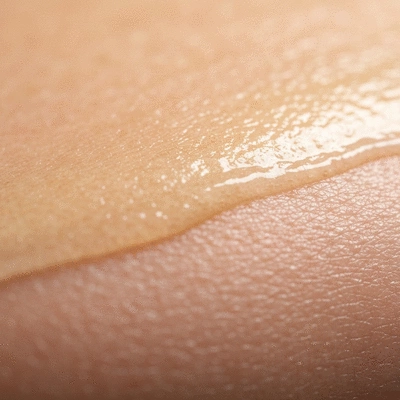
One of the protective properties of sebum is its ability to form a thin film on the skin's surface. This film not only prevents moisture from evaporating but also helps shield the skin from harsh environmental conditions, such as pollution and UV rays. By keeping the skin barrier intact, sebum plays an essential role in overall skin health. Further insights into the skin's protective mechanisms can be found in this Frontiers in Immunology article.
Moreover, sebum contains antimicrobial properties that help combat harmful bacteria. This is particularly important for those of us who are prone to acne, as it can help minimize the chances of bacterial overgrowth.
Influence of Sebum on Skin Hydration and Barrier Function
Healthy sebum production is crucial for maintaining skin hydration. When the skin is properly moisturized, it feels softer and looks more radiant. This is why I often recommend skincare routines that support balanced sebum production, especially for acne-prone individuals.
Additionally, a well-functioning skin barrier can help prevent irritants from penetrating the skin. This barrier is fortified by sebum, which serves as a natural moisturizer. Without sufficient sebum, the skin may become dry and more susceptible to irritations and breakouts.
What Causes Excess Sebum Production?
Now that we understand sebum's importance, let’s explore what causes its overproduction. Excess sebum can lead to clogged pores and, ultimately, acne, so knowing the triggers is essential.
- Androgens: Hormones like testosterone can stimulate sebaceous glands to produce more oil.
- Genetics: Some individuals may inherit a tendency for higher sebum production.
- Hormonal Imbalances: Fluctuations in hormones can lead to increased oiliness.
By identifying these causes, we can better manage our skin and take proactive steps toward clearer skin.
The Role of Androgens in Sebum Regulation
Androgens, particularly during puberty, can significantly impact sebum production. These hormones increase the activity of sebaceous glands, leading to higher oil levels on the skin. As a dermatologist, I've seen firsthand how managing androgen levels can help in treating oily skin and acne. For more detailed information on androgen-induced sebum production, you can refer to this Taylor & Francis Online publication.
Genetic Factors Impacting Sebaceous Gland Activity
Genetics also plays a role in how much sebum your skin produces. Some individuals may naturally have more active sebaceous glands. If you notice family members with similar skin issues, it might be worth taking a closer look at family history.
Impact of Hormonal Imbalances on Oil Production
Hormonal fluctuations, whether due to menstrual cycles, pregnancy, or stress levels, can lead to spikes in sebum production. This is a common concern for many of my patients, and understanding these fluctuations can help guide skincare choices. For instance, using non-comedogenic products during these times can be beneficial for acne-prone skin.
Pro Tip
Did you know? Maintaining a balanced diet rich in antioxidants and omega-3 fatty acids can significantly help in reducing inflammation and promoting healthier skin. Incorporating foods like salmon, walnuts, and a variety of colorful fruits and vegetables can not only enhance your overall health but also support your skin in its fight against excess sebum and acne.
Frequently Asked Questions About Sebum and Skin Health
Q: What is sebum and what is its main function?
A: Sebum is a natural oil produced by sebaceous glands in the skin. Its main functions include moisturizing the skin, preventing water loss, acting as a barrier against microbes and environmental stressors, and aiding in temperature regulation.
Q: How does excess sebum production lead to acne?
A: When sebum is produced in excess, it can mix with dead skin cells and clog pores. This creates an ideal environment for bacteria to grow, leading to inflammation and the formation of acne lesions such as blackheads, whiteheads, and cystic acne.
Q: What are the primary causes of increased sebum production?
A: The primary causes include hormonal fluctuations (especially androgens like testosterone), genetic predisposition, and other hormonal imbalances due to factors like menstrual cycles, pregnancy, or stress.
Q: Why are non-comedogenic products recommended for acne-prone skin?
A: Non-comedogenic products are specifically formulated to not clog pores. This is crucial for acne-prone skin, as clogged pores are a major factor in acne development. Using such products helps to reduce the likelihood of breakouts.
Q: What is a holistic approach to managing acne?
A: A holistic approach involves looking beyond topical treatments to include lifestyle factors such as a balanced diet rich in antioxidants and omega-3 fatty acids, adequate hydration, stress management techniques (like yoga or meditation), and consistent, appropriate skincare routines.
Summarizing the Science Behind Sebum and Acne
As we dive deeper into understanding the relationship between sebum production and acne development, it’s essential to consolidate what we’ve learned. Sebum, while vital for maintaining skin health, can become a double-edged sword. When produced in excess, it can lead to conditions like acne vulgaris. So, let’s highlight the key takeaways regarding how sebum impacts our skin!
Key Takeaways on Sebum Production and Acne Development
- Sebum plays a crucial role in protecting our skin, but too much of it can clog pores.
- Hormonal fluctuations often trigger increased sebum production, especially during adolescence and menstrual cycles.
- Understanding the types of acne related to sebum, like cystic acne, whiteheads, and blackheads, can inform better treatment options.
These insights are pivotal in recognizing that managing excess sebum is about balance. By being aware of how our bodies react to hormones and environmental factors, we can take informed steps toward clearer skin.
The Importance of Holistic Approaches in Managing Acne
When it comes to tackling acne, a holistic approach can truly make a difference. This means looking beyond just topical treatments and considering lifestyle factors, diet, and emotional wellbeing. For instance, what we eat can significantly influence our skin!

- Incorporating a balanced diet rich in antioxidants and omega-3 fatty acids can help reduce inflammation.
- Staying hydrated is key—water helps maintain skin elasticity and overall health.
- Managing stress through activities like yoga or meditation can lower hormonal fluctuations that exacerbate sebum production.
At Acne Clarity Hub, I always emphasize the importance of treating the whole person, not just the symptoms. This holistic understanding can empower individuals on their journey to clearer skin.
Exploring the Impact of Non-Comedogenic Products on Skin Health
Choosing the right skincare products is essential in managing acne. Non-comedogenic products are formulated to avoid clogging pores, making them ideal for oily or acne-prone skin. But how do you know what to look for?
- Check for ingredients like glycerin or hyaluronic acid, which hydrate without oiliness.
- Avoid heavy oils and silicones that can trap sebum.
- Look for labels that specifically state “non-comedogenic” and “oil-free.”
By understanding the impact of these products, you can make informed choices that align with your unique skin needs. And remember, always consult with professionals when in doubt! The role of the skin barrier in maintaining overall skin health is further discussed in this Nature.com article.
Next Steps for Effective Sebum Control
Now that we’ve summarized the science behind sebum and its relationship with acne, it’s time to put this knowledge into action! Here are some next steps to take control of your skin health.
Consulting with Dermatology Professionals for Tailored Advice
Whether you’re dealing with persistent acne or just want to refine your skincare routine, it’s vital to seek guidance from a dermatologist. They can provide personalized insights tailored to your specific skin type and condition.
- Schedule regular appointments to track your skin's progress.
- Discuss any changes you notice in your skin to adjust treatments as necessary.
- Consider professional treatments like chemical peels or prescription medications if over-the-counter options aren’t effective.
Investing time in consulting with a professional can lead to more effective management of excess sebum and acne.
Engaging in Evidence-Based Lifestyle Changes for Optimal Skin Health
Implementing evidence-based lifestyle changes can significantly impact your skin's condition. Start by creating healthy habits that support sebum balance.
- Maintain a regular skincare regimen that includes cleansing, exfoliating, and moisturizing.
- Incorporate physical activity to improve circulation and reduce stress.
- Prioritize quality sleep to help regulate hormonal balances.
These small changes can yield significant results in achieving a healthier complexion!
Implementing an Effective Skin Care Routine for Acne Prevention
Finally, establishing an effective skincare routine is crucial for preventing acne caused by excess sebum. A consistent routine tailored to your skin type can make all the difference.
- Use a gentle cleanser that effectively removes excess oil without over-drying your skin.
- Incorporate products containing salicylic acid or retinoids to keep pores clear.
- Never skip sunscreen—protecting your skin is essential, even if it feels oily!
With a solid skincare routine in place, you can actively work towards maintaining clearer, healthier skin. Remember, Acne Clarity Hub is here to support you every step of the way!
Recap of Key Points
Here is a quick recap of the important points discussed in the article:
- Sebum is essential for maintaining skin health, providing moisturization, protection, and temperature regulation.
- Excess sebum production can lead to acne, often triggered by hormones, genetics, and hormonal imbalances.
- Adopting a holistic approach that includes diet, hydration, and stress management can significantly help in managing acne.
- Choosing non-comedogenic skincare products is crucial to avoid clogging pores and worsening acne.
- Consulting with dermatology professionals for personalized advice and treatment options can lead to better skin health outcomes.