Have you ever found yourself staring at the mirror, questioning why your skin is still breaking out well into your 30s? You're not alone! Adult acne is a common yet misunderstood issue, and understanding its complexities can empower you on your journey to clearer skin.
What You Will Learn
- Hormonal fluctuations, stress, and diet significantly contribute to adult acne.
- Tailored treatments, including combination therapy, can enhance the effectiveness of your acne regimen.
- Understanding the myths surrounding adult acne helps focus on effective treatment methods.
- Regular consultations with a dermatologist provide personalized solutions for managing acne.
- Maintaining a consistent skincare routine and addressing lifestyle factors are crucial for long-term skin health.
Adult Acne: Key Contributing Factors & Treatment Approaches
Understanding the triggers and effective strategies for adult acne involves looking at factors like hormonal changes, stress, diet, and debunking common myths, alongside strategic treatment combinations.
What Causes Adult Acne?
- • Hormonal Changes: Fluctuations trigger oil production.
- • Stress: Cortisol increases inflammation.
- • Diet: High sugar/refined carbs may exacerbate.
Myths vs. Reality
- ✗ Myth: Poor hygiene causes acne.
- ✗ Myth: Only teenagers get acne.
- ✗ Myth: Diet alone is the cause.
- ✓ Reality: Complex factors, genetics, environment.
Effective Treatment Strategies
- • Combination Therapy: Targets multiple causes.
- • Professional Consultation: Tailored solutions.
- • Consistent Skincare: Crucial for long-term results.
Maintaining Clear Skin
- • Regular Review of Routine.
- • Stay Hydrated & Nourish Skin.
- • Track Triggers & Adjust.
- • Consider Zinc & Omega-3 Supplements.
Understanding Adult Acne: A Common Struggle After 30
As we age, many of us expect our skin to become clearer, but that’s not always the case! Adult acne is a common struggle for those of us in our 30s, and it can be just as frustrating as it was in our teenage years. Let’s dive into the factors that contribute to these breakouts and how they differ from those we experienced in our youth.
Understanding the causes of adult acne is essential for developing an effective treatment plan. We often think of acne as a teenage problem, but hormones, stress, and even diet can play significant roles in its persistence into adulthood. So, what’s really happening with our skin as we navigate this new chapter of life?
What Causes Adult Acne in Your 30s?
Adult acne can stem from multiple factors, each contributing to the overall condition of your skin. Here’s a closer look at the key culprits:
- Hormonal Changes: Fluctuations in hormones can trigger acne, especially around menstrual cycles or during pregnancy. For a deeper understanding of how hormones influence skin, you can refer to this study on hormonal effects on skin.
- Stress: Increased stress levels can lead to breakouts as cortisol levels rise.
- Diet: What you eat can impact your skin's health, making certain foods more or less favorable.
In my decade of experience, I’ve seen how these factors uniquely affect my patients. By identifying the triggers, we can work towards tailored treatments that address the specific causes behind your breakouts.
Hormonal Changes and Their Impact on Skin
Hormones play a pivotal role in adult acne. As we go through life transitions, our hormone levels can fluctuate, leading to increased oil production and clogged pores. It's not uncommon for women in their 30s to experience these changes related to their menstrual cycles, pregnancy, or even hormonal medications.
Understanding these shifts is crucial. For instance, if you notice breakouts occurring at specific times during your cycle, it might be time to explore treatments that target hormonal imbalances.
Stress and Lifestyle Factors Contributing to Breakouts
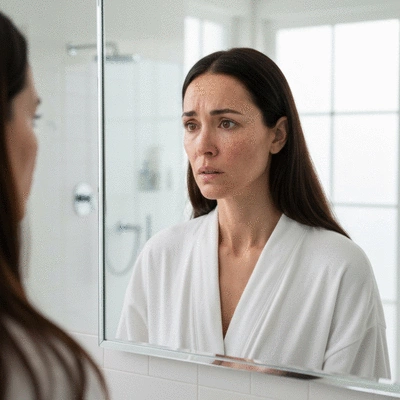
Stress is another significant contributor to adult acne. When we feel overwhelmed, our body produces cortisol, which can trigger inflammation. This inflammation opens the door to breakouts. I often tell my patients that managing stress is just as important as skincare products when it comes to clear skin!
Simple lifestyle changes like incorporating regular exercise, practicing mindfulness, or even engaging in hobbies can make a world of difference for your skin.
The Role of Diet in Adult Acne Development
Your diet can significantly impact your skin health. Recent studies suggest that certain foods, like those high in sugar and refined carbs, may exacerbate acne. It’s essential to be mindful of what you consume and how it affects your skin.
Consider keeping a food diary to track any correlations between your meals and breakouts! This practice can help you identify problematic foods and make informed dietary choices moving forward.
Understanding Hormonal Imbalance and Its Effects on Acne
Hormonal imbalances can create a perfect storm for acne development. Conditions like polycystic ovary syndrome (PCOS) can lead to elevated androgens, which in turn increase oil production. If you suspect a hormonal imbalance is affecting your skin, consulting a healthcare professional is a wise step. For further research on hormonal acne, you can explore clinical trials like this one on Spironolactone for Hormonal Acne.
Treatments such as hormonal therapies can be instrumental in addressing these imbalances, helping you regain control over your skin's health.
Myths vs. Reality: Debunking Common Misconceptions
There are many misconceptions about adult acne that can complicate our understanding. Let’s separate fact from fiction so you can make informed decisions about your skincare routine.
- Myth: Poor hygiene causes acne.
- Myth: Only teenagers get acne.
- Myth: Eating chocolate or greasy foods will definitely cause breakouts.
By addressing these myths, we can focus on effective treatment methods and not get sidetracked by misinformation. Remember, acne is a complex condition, and understanding its root causes is key to managing it effectively.
Hygiene and Adult Acne: What You Need to Know
Many people believe that poor hygiene is the primary cause of acne, but that’s not entirely accurate. While keeping your skin clean is essential, over-washing or using harsh scrubs can irritate your skin, potentially worsening your situation. Instead, focus on a gentle cleansing routine tailored to your skin type!
Finding the right balance can help maintain skin health without triggering more breakouts.
Does Diet Alone Cause Acne? Exploring the Evidence
Diet alone does not cause or cure acne, but it can influence its severity. Research continues to explore the link between diet and acne, suggesting that certain foods may exacerbate the condition. However, it’s crucial to view diet as just one piece of the puzzle. For more insights on the relationship between diet and acne, consider this review on dietary interventions for acne.
Every individual's skin responds differently, so it’s essential to consider a holistic approach that includes skincare, lifestyle, and dietary choices.
Fact-Checking Acne Myths: What Actually Contributes to Breakouts?
Several factors contribute to breakouts beyond just diet and hygiene. Environmental factors, genetics, and even skincare products might play a significant role. It’s important to maintain an open dialogue with your dermatologist about all potential triggers and not just focus on the most common myths.
Understanding the complexities of adult acne can empower you to make better decisions and take action towards clearer skin.
Frequently Asked Questions About Adult Acne
Q: What are the primary causes of adult acne?
A: Adult acne is primarily caused by hormonal changes, stress, and diet. Hormonal fluctuations can increase oil production, stress elevates cortisol leading to inflammation, and certain foods like high-sugar and refined carbohydrates may exacerbate breakouts.
Q: Is adult acne different from teenage acne?
A: While both involve breakouts, adult acne often presents differently, typically around the jawline, chin, and neck. It is also more commonly linked to hormonal fluctuations and stress than teenage acne, which is often tied to puberty.
Q: Can diet alone cure adult acne?
A: Diet alone does not cause or cure acne, but it can significantly influence its severity. A balanced diet, low in sugar and refined carbs, can support skin health, but it should be part of a comprehensive approach that includes proper skincare and professional guidance.
Q: What are the most effective treatment strategies for adult acne?
A: The most effective strategies often involve combination therapy, using multiple treatments to target different causes of acne. Professional consultation with a dermatologist for tailored solutions and consistent skincare are also crucial for long-term results.
Q: When should I consult a dermatologist for my adult acne?
A: You should consult a dermatologist if your acne is persistent, severe, or if over-the-counter treatments are not effective. A dermatologist can help identify underlying causes, such as hormonal imbalances, and recommend personalized treatment plans.
We Want to Hear From You!
Have you ever experienced a frustrating acne breakout that just wouldn't go away? What lifestyle changes have you made to help manage your adult acne? Share your thoughts below:
Summarizing Key Takeaways for Adult Acne Treatment
Dealing with adult acne can be challenging, but understanding the best treatment options can empower you to take charge of your skin! At Acne Clarity Hub, we believe in a comprehensive approach that combines various treatments for maximum effectiveness. Here’s a quick overview of what you should know:
- Combination therapy, utilizing multiple treatments, can enhance results.
- Consultation with a dermatologist provides tailored solutions suited to your unique skin type.
- Maintaining a consistent skincare routine post-treatment is crucial for long-lasting results.
Effective treatment often means combining different strategies. For example, using a topical treatment alongside oral medication can tackle acne from multiple angles. It’s essential to consult with a professional to find the right balance that works for you!
Combining Treatments for Maximum Effectiveness
With so many options available, you might wonder how to create a winning plan against acne. Let’s delve into the benefits of combination therapy:
- Enhanced Results: Using multiple treatments can target different causes of acne, leading to better overall outcomes.
- Minimized Resistance: By using various mechanisms, you reduce the chance of your skin becoming resistant to a single treatment.
- Tailored Solutions: Each individual's skin is unique! A customized approach considers your specific needs.
Consulting with a dermatologist can make a world of difference. They can help design a treatment plan that combines topical treatments, oral medications, and even lifestyle changes to maximize your success.
Consulting Professionals for Tailored Solutions
When you’re ready to tackle adult acne, seeking professional guidance is a vital step. A board-certified dermatologist, like myself, can assess your skin's condition and recommend a personalized plan. At Acne Clarity Hub, we prioritize scientific accuracy and transparency to empower you in your skincare journey.

Encouraging Continuous Skin Health and Confidence
Once you've navigated the initial treatment phase, it's essential to focus on long-term skin health. Here are some steps to consider for maintaining clear skin:
- Regularly review and adjust your skincare routine.
- Stay hydrated and nourish your skin from the inside out.
- Keep track of any triggers that may lead to breakouts.
Remember, achieving clear skin is not just about immediate results—it's about sustaining that clarity over time! Consistency is key, so make sure to stick with a routine that works for you.
Steps to Maintain Clear Skin Beyond Initial Treatment
Taking care of your skin isn’t a one-time event; it’s an ongoing process. Here are some long-term strategies to help maintain your results:
- Incorporate gentle exfoliation into your routine to remove dead skin cells.
- Use non-comedogenic products that won’t clog your pores.
- Consider professional follow-ups to assess your skin's progress and adjust treatment as necessary.
By adopting these practices, you can build a solid foundation for enduring skin health and boost your confidence!
Your Next Steps in Managing Adult Acne
Ready to take action? The journey towards clearer skin begins with understanding what to expect during your consultations and treatments.
Consulting with a Dermatologist: What to Expect
When you schedule your first appointment, it’s helpful to be prepared. Here are a few questions to consider asking:
- What treatment options do you recommend for my specific skin type?
- How long should I expect to see results?
- Are there any lifestyle changes I should make to support my treatment?
These inquiries will provide you with a clearer understanding of your treatment plan and how to best support your skin through the process.
Taking Action: Start Your Journey Towards Clearer Skin
Embracing a holistic approach to skin health is vital. This means acknowledging that skincare involves more than just topical treatments—it includes diet, stress management, and overall wellness! At Acne Clarity Hub, we encourage a well-rounded strategy that addresses all aspects of your skin's health.
Exploring the Role of Acne Supplements: Zinc and Omega-3 Fatty Acids
Don’t underestimate the power of supplements in your skincare regimen! Zinc and Omega-3 fatty acids are known for their anti-inflammatory properties and can assist in reducing acne severity. Incorporating these into your routine may provide additional support as you work towards clearer skin.
Remember, your path to clear skin is a journey, and every step forward counts. Let’s tackle this together!
Recap of Key Points
Here is a quick recap of the important points discussed in the article:
- Understand Your Triggers: Recognize that hormonal changes, stress, and diet can significantly impact adult acne.
- Consult a Dermatologist: Professional guidance is essential for tailored treatment plans that suit your individual skin type.
- Maintain a Consistent Skincare Routine: Regularly review and adjust your skincare regimen to ensure long-lasting results.
- Debunk Myths: Avoid common misconceptions about acne, such as the belief that poor hygiene is the primary cause.
- Adopt a Holistic Approach: Incorporate lifestyle changes, such as stress management and a balanced diet, to boost skin health.