Understanding how to effectively manage acne is a journey, and utilizing combination acne treatments can be a game-changer. What if the key to clearer skin lies in layering the right products? Let's delve into the essential insights that can empower your skincare routine!
What You Will Learn
- Combination acne treatments involve using multiple products to address various skin concerns simultaneously.
- Layering products strategically enhances absorption and overall treatment effectiveness.
- Key ingredients like salicylic acid, retinoids, and niacinamide each serve unique purposes in acne treatment.
- Personalizing your skincare routine based on your skin type and specific needs can significantly improve results.
- Consulting with a dermatologist can provide tailored advice and access to prescription-strength treatments for persistent acne.
Strategic Layering for Acne Treatment
This visual highlights the three core principles and key benefits of strategic product layering for effective acne management, along with commonly used active ingredients.
Key Principles of Layering
- • Thinnest to thickest product application.
- • Check ingredient compatibility.
- • Customize to skin type and needs.
- • Introduce new products gradually.
Benefits of Layering
- • Improved product penetration.
- • Enhanced overall treatment effectiveness.
- • Reduced risk of irritation.
Key Active Ingredients
Salicylic Acid
Exfoliates, unclogs poresRetinoids
Cell turnover, reduces acneNiacinamide
Anti-inflammatory, regulates oilUnderstanding Combination Acne Treatments for Better Skin Health
When it comes to managing acne, the term combination acne treatments might come up often, but what does it really mean? Simply put, these treatments involve using multiple products or ingredients to target various aspects of acne. This multifaceted approach can help address the different skin issues that occur simultaneously, such as clogged pores, excess oil, and inflammation. By layering effective ingredients, we can maximize our chances of achieving clearer skin!
In my experience as a dermatologist, I've seen how each person's skin reacts uniquely to treatments. Therefore, understanding how to combine these treatments effectively is essential for long-term success. Let's explore why layering products is crucial for effectively managing acne.
What Are Combination Acne Treatments?
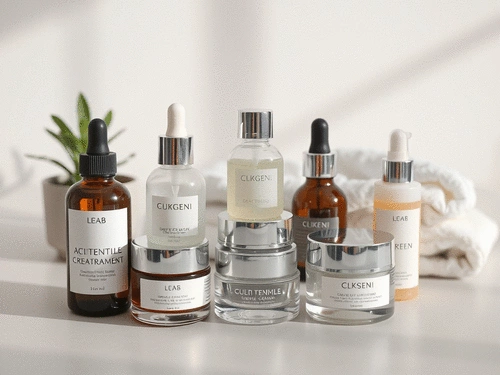
Combination acne treatments typically include a blend of topical medications, over-the-counter products, and sometimes even prescription treatments. This approach can include ingredients that work in different ways to fight acne, such as:
- Exfoliating agents like salicylic acid
- Retinoids that promote cell turnover
- Moisturizers to combat dryness
- Anti-inflammatory ingredients like niacinamide
By using these products together, we can tackle acne from multiple angles, which is often necessary for those struggling with stubborn breakouts. The synergistic effects of these ingredients can enhance their overall effectiveness, leading you to better results!
Why Layering Products Matters for Acne Management
Layering products isn’t just about applying them one after the other; it’s about creating a strategic routine that enhances absorption and efficacy. When done correctly, layering can:
- Improve product penetration into the skin
- Enhance overall treatment effectiveness
- Reduce the risk of irritation from overuse of a single product
As someone who has spent years in dermatology, I can tell you that the order in which you apply your products matters greatly. For instance, applying a lightweight serum before a thicker moisturizer can help your skin absorb more active ingredients without feeling weighed down.
Effective Ingredients in Combination Therapy: Salicylic Acid, Retinoids, and Niacinamide
Three powerhouse ingredients often found in combination acne treatments are salicylic acid, retinoids, and niacinamide. Each serves a unique purpose in your skincare routine:
- Salicylic Acid: A beta hydroxy acid (BHA) that penetrates deep into pores to dissolve excess oil and dead skin cells, making it fantastic for preventing breakouts.
- Retinoids: Derived from vitamin A, retinoids speed up cell turnover, helping to unclog pores and reduce the appearance of acne and acne scars. The efficacy and safety of retinoids in treating acne have been well-documented in clinical studies.
- Niacinamide: This form of vitamin B3 is known for its anti-inflammatory properties and ability to regulate oil production, making it ideal for oily or combination skin.
In my practice at Acne Clarity Hub, I often recommend patients include these ingredients in their skincare regimens. However, it's important to introduce them gradually to prevent irritation and ensure your skin can handle the active compounds effectively!
Interactive Poll: Your Acne Journey
We’d love to hear from you! Which aspect of managing acne do you find most challenging? Share your thoughts below:
Frequently Asked Questions About Combination Acne Treatments
- What are combination acne treatments?
- Combination acne treatments involve using multiple products or ingredients (e.g., topical medications, over-the-counter products, prescription treatments) to target various aspects of acne simultaneously, such as clogged pores, excess oil, and inflammation.
- Why is layering products important for acne management?
- Layering products strategically enhances absorption and efficacy. It helps improve product penetration, boosts overall treatment effectiveness, and can reduce the risk of irritation by carefully introducing active ingredients.
- What are some key ingredients in combination acne therapy?
- Key ingredients include Salicylic Acid (exfoliates and unclogs pores), Retinoids (speed up cell turnover and reduce acne/scars), and Niacinamide (anti-inflammatory and regulates oil production).
- How should I introduce new products into my acne treatment routine?
- It is crucial to introduce new products gradually to prevent irritation and allow your skin to adjust to the active compounds. Pay attention to how your skin reacts and adjust as needed.
- When should I consult a dermatologist for my acne?
- Consulting a dermatologist is recommended for tailored advice, especially if over-the-counter products are not effective, or if you have persistent or severe acne. Dermatologists can provide professional assessments and access to prescription-strength treatments.
Key Takeaways for Effective Acne Treatment Layering
As we explore the world of acne treatment layering, it's vital to focus on a few key principles that can significantly enhance your skincare routine. Layering products correctly can lead to better absorption and more effective results, especially for those battling acne. Here’s a quick recap of the most important layering principles:
- Start with the thinnest products and move to thicker formulations.
- Pay close attention to ingredient compatibility to avoid irritation.
- Tailor your routine to your specific skin type and needs.
- Gradually introduce new products to monitor your skin's reaction.
By sticking to these core principles, you'll set yourself up for a successful acne management journey. It’s all about finding what works for your skin and being consistent in your approach!
Encouragement to Personalize Your Acne Treatment Journey
Building a Routine That Works for You
Creating an effective acne treatment routine is not a one-size-fits-all process. Each person's skin is unique, and what works for one individual might not work for another. It's essential to listen to your skin and adjust your regimen accordingly. Start by identifying your skin type, and consider incorporating products tailored specifically to your needs. This way, you can ensure that your skincare routine is truly working for you!
- Assess your skin type: oily, dry, combination, or sensitive.
- Select products that address your specific acne concerns.
- Keep track of how your skin responds to different treatments.
Personalizing your routine not only improves effectiveness but also boosts your confidence as you see progress over time.
Why Consulting with a Dermatologist Can Enhance Results
Consulting with a dermatologist, like myself at Acne Clarity Hub, can provide you with tailored advice and treatment options that will benefit your unique skin concerns. Dermatologists can help identify which products and layers are best suited for your specific type of acne. Plus, we can recommend strategies that might not be easily found online! For comprehensive guidelines on managing acne, you can refer to resources from organizations like the American Academy of Dermatology.
- Professional assessments can reveal underlying skin issues.
- Access to prescription-strength treatments can lead to faster results.
- Ongoing support and adjustments make for a more effective journey.
A consultation can be a game-changer in your acne treatment journey, ensuring that you’re on the right path to clearer skin.
The Role of Prescription Treatments and Topical Antibiotics in Acne Management
Sometimes, over-the-counter products aren't enough to tackle stubborn acne. That's where prescription treatments come into play. These can include topical antibiotics, retinoids, and hormonal treatments, which can target severe acne more effectively. Here are some common options you might discuss with your dermatologist:
- Topical antibiotics to reduce inflammation and bacteria.
- Retinoids to promote cell turnover and prevent clogged pores.
- Hormonal therapies for those with hormone-related breakouts.
With the right prescription treatment, you can address your acne more effectively and enhance your overall skincare routine. Don't hesitate to reach out for professional guidance to optimize your results!
Recap of Key Points
Here is a quick recap of the important points discussed in the article:
- Combination acne treatments utilize multiple products to target various acne issues, enhancing overall effectiveness.
- Layering products strategically improves absorption and reduces irritation from overusing a single treatment.
- Key ingredients like salicylic acid, retinoids, and niacinamide play vital roles in managing acne and should be introduced gradually.
- Personalizing your skincare routine based on your skin type and concerns is essential for effective acne management.
- Consulting a dermatologist can provide tailored advice and prescription options for more severe cases of acne.