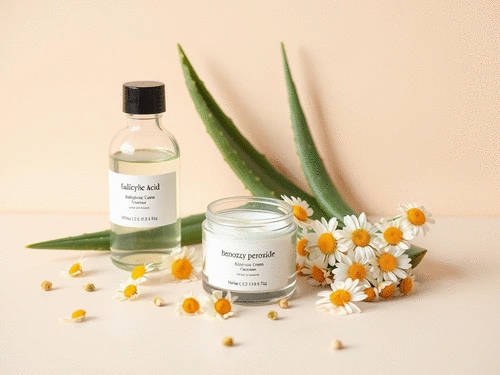
What if the key to clearer skin lies in understanding the very products we use daily? With a deeper grasp of how skincare ingredients influence acne, you can take charge of your skincare journey. Here’s what you will learn from this article:
What You Will Learn
- Acne is influenced by various factors, including hormonal changes, bacteria, and skin type.
- Comedogenic ingredients can clog pores, while non-comedogenic ones are safer for acne-prone skin.
- Essential active ingredients like salicylic acid can significantly reduce acne.
- Reading product labels is crucial; look for non-comedogenic and alcohol-free formulas.
- Developing a personalized skincare routine tailored to your skin type is essential for managing acne effectively.
Skincare Ingredients & Acne: A Closer Look
Understanding how different skincare ingredients impact acne is crucial for effective management. This visual breaks down key ingredient types and their effects.
Ingredients That Can Lead to Breakouts
- ×Comedogenic: Clog pores, trigger acne.
- ×Alcohol (high conc.): Drying, can increase oil.
- ×Harsh chemicals: Irritate skin, worsen conditions.
Ingredients That Help Prevent Acne
- ✓Non-comedogenic: Formulated not to block pores.
- ✓Salicylic Acid: Exfoliates within pores.
- ✓Niacinamide: Reduces inflammation/redness.
Reading Product Labels: Key Considerations
The Connection Between Skincare Ingredients and Acne Development
Have you ever wondered how the products you use on your skin can impact your acne? Understanding the connection between skincare ingredients and acne development is crucial for anyone looking to achieve clearer skin. At Acne Clarity Hub, we believe that by demystifying this relationship, we can empower you to make informed choices about your skincare routine.
Let’s dive into the basics: acne is not just a simple skin condition. It's influenced by various factors such as hormones, genetics, and yes, the ingredients in our skincare products. Knowing what can contribute to your breakouts is the first step in reclaiming your skin’s health!
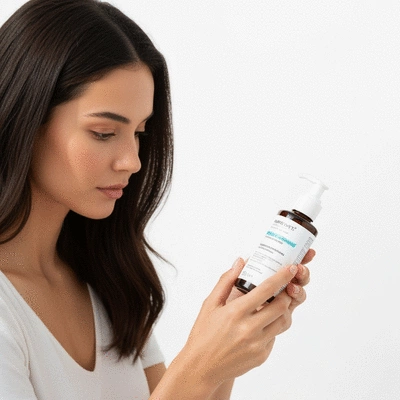
Understanding Acne: Causes and Contributing Factors
Acne can be triggered by a myriad of factors, and understanding these can help you better manage your skin. Here are some common causes of acne:
- Hormonal changes: Fluctuations during puberty, menstruation, or pregnancy can trigger acne.
- Bacterial growth: The skin's natural bacteria can proliferate and contribute to acne formation.
- Oily skin: Excess sebum production can clog pores and lead to breakouts.
By recognizing these factors, you can start to identify what might be affecting your skin and take steps to address them. Remember, each person's skin is different, so what triggers acne for one person may not for another!
How Skincare Ingredients Play a Role in Acne
Skincare ingredients are more than just labels on products; they play a pivotal role in the health of your skin. Some ingredients can exacerbate acne, while others can help prevent it. Understanding the effects of these ingredients can make all the difference in your skincare journey.
- Comedogenic ingredients: These can clog pores and lead to acne.
- Non-comedogenic ingredients: Formulated to prevent pore blockage, making them safer for acne-prone skin.
- Active ingredients: Such as salicylic acid and niacinamide, can actively help reduce acne.
At Acne Clarity Hub, I strive to help you navigate the often overwhelming world of skincare products. By focusing on ingredients that promote skin health and avoiding those that can trigger acne, you’re setting yourself up for success!
Ingredients That Can Lead to Breakouts
Not all ingredients are created equal, especially when it comes to your skin! Understanding which ingredients can lead to breakouts is essential in managing acne effectively. Let's explore how certain components of your skincare products can affect your skin.
Pro Tip
When choosing skincare products, always perform a patch test first! Apply a small amount of the product to a discreet area of your skin and observe for any adverse reactions over 24 hours. This simple step can help you avoid potential breakouts and irritation, ensuring that your skincare routine remains effective and safe for your unique skin type.
Making Informed Decisions: Navigating Skincare Choices
When it comes to skincare, making informed decisions is crucial, especially if you're dealing with acne. The right products can enhance your skin's health, while the wrong ones can exacerbate breakouts. Understanding how to read product labels and selecting ingredients that work for your skin can set you on the path to clearer skin!
One of my favorite tips for navigating product labels is to look for terms like "non-comedogenic," which indicates that the product won't clog your pores. It’s also important to check for the presence of alcohol, which can dry out your skin and potentially lead to more oil production—a double whammy for acne!
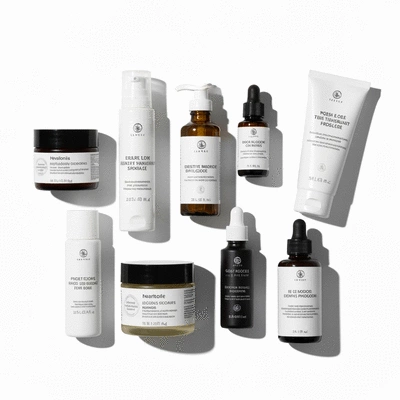
Practical Tips for Reading Product Labels
- Familiarize yourself with common comedogenic ingredients that can trigger breakouts.
- Look for products with simple ingredient lists—less is often more!
- Check for dermatologist-backed certifications, which can provide an extra layer of assurance.
- Avoid products that list alcohol in the first five ingredients, as these can be drying.
These straightforward tips can help you become a savvy shopper, ensuring that you're choosing products that support your skincare goals instead of hindering them. Remember, knowledge is power, especially when it comes to your skin!
Developing a Personalized Skincare Routine for Acne Prone Skin
Creating a personalized skincare routine is essential for anyone dealing with acne. Every individual's skin is unique, and what works for one person might not work for another. Start by assessing your skin type—whether it's oily, dry, combination, or sensitive. This will guide your product choices.
Here's a simple framework to help you get started with your routine:
- Cleansing: Use a gentle, non-comedogenic cleanser to remove dirt and excess oil without stripping your skin.
- Exfoliating: Incorporate exfoliating products containing salicylic acid or glycolic acid a few times a week to help keep pores clear.
- Moisturizing: Select an oil-free moisturizer to hydrate your skin without clogging pores.
- Treatment: Apply targeted treatments for acne as needed, opting for ingredients like benzoyl peroxide or tea tree oil.
This routine focuses on addressing the unique challenges of acne-prone skin while providing the necessary hydration and care! As someone who has seen the transformation in my patients when they adopt suitable routines, I can't stress enough how important this is.
Incorporating Non-Comedogenic Products and Alcohol-Free Formulas
When building your personalized skincare routine, consider incorporating non-comedogenic products that are designed not to clog pores. Additionally, opt for alcohol-free formulas to avoid the drying effects that can lead to increased oil production. Here are some excellent options to consider:
- Gel-based cleansers: These are often lighter and less likely to irritate.
- Water-based moisturizers: They provide hydration without the heaviness.
- Natural oils: Products like jojoba oil can hydrate without clogging pores.
By selecting products that align with your skin's needs, you can maintain a healthy balance and minimize breakouts. Remember that consistency is key in any skincare routine, so stay committed!
Frequently Asked Questions (FAQs)
What are comedogenic ingredients?
Comedogenic ingredients are substances often found in skincare products that can clog pores, leading to the formation of blackheads, whiteheads, and other forms of acne.
Why should I avoid alcohol in skincare products if I have acne?
High concentrations of alcohol can be drying to the skin. While it might seem to reduce oil initially, it can paradoxically trigger your skin to produce more oil, exacerbating acne.
What is the benefit of salicylic acid for acne-prone skin?
Salicylic acid is a beta-hydroxy acid (BHA) that exfoliates inside the pores, helping to remove dead skin cells and excess oil, thereby preventing and treating breakouts.
How do I know if a product is non-comedogenic?
Look for labels that explicitly state "non-comedogenic," "non-acnegenic," or "won't clog pores." These products are formulated to minimize the risk of causing breakouts.
Is a patch test really necessary?
Yes, performing a patch test is highly recommended. It helps you identify potential adverse reactions or allergies to a new product on a small area of skin before applying it to your entire face, preventing widespread irritation or breakouts.
Recap of Key Points
Here is a quick recap of the important points discussed in the article:
- Understand Acne Triggers: Recognize that hormonal changes, bacterial growth, and excess oil can contribute to acne.
- Know Your Ingredients: Differentiate between comedogenic and non-comedogenic ingredients to avoid clogging pores.
- Read Labels Wisely: Look for non-comedogenic products and avoid alcohol in the top five ingredients to prevent drying out your skin.
- Personalize Your Routine: Develop a skincare routine tailored to your skin type, including cleansing, exfoliating, moisturizing, and targeted treatments.
- Consistency is Key: Stick to your personalized routine and choose products that align with your skin's needs for optimal results.