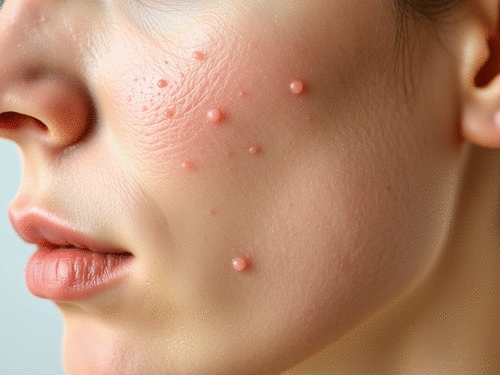
Understanding inflammatory acne is crucial for effective treatment. With the right knowledge, you can tailor your skincare routine to combat papules and pustules effectively. Here’s what you’ll gain from this article:
What You Will Learn
- Inflammatory acne primarily consists of papules and pustules, characterized by redness, swelling, and tenderness.
- Papules are firm, raised red bumps, while pustules are filled with pus and have a white or yellow center.
- Acne vulgaris, the most common form of inflammatory acne, is triggered by hormonal changes, stress, and diet.
- Effective treatments focus on reducing sebum production and targeting bacteria, utilizing ingredients like salicylic acid and benzoyl peroxide.
- Establishing a consistent skincare routine and using non-comedogenic products can help prevent future breakouts.
- Chemical peels and light therapy are effective options for managing acne scars and promoting skin regeneration.
- Recognizing when to seek professional help can significantly improve your acne management and treatment outcomes.
Understanding Inflammatory Acne: Papules vs. Pustules
This visual compares the key characteristics and developmental stages of papules and pustules, the two main types of inflammatory acne.
Papules: The Early Stage
- •**Visual:** Small, red or pink, raised bumps.
- •**Texture:** Firm to the touch, no visible pus.
- •**Development:** Clogged pores become inflamed.
- •**Symptoms:** Often tender and uncomfortable.
Pustules: Advanced Inflammation
- •**Visual:** Raised, inflamed, with white/yellow center.
- •**Texture:** Softer to the touch due to fluid content.
- •**Development:** Infection leads to pus formation.
- •**Symptoms:** Indicates a more advanced stage of acne.
Key Factors in Acne Development (Acne Vulgaris)
Excess oil clogs pores, creating a breeding ground for bacteria.
Thrives in clogged pores, leading to inflammation.
Result of clogged pores and bacterial activity, causing redness and swelling.
Common trigger for increased sebum production in teens and adults.
Understanding Inflammatory Acne: The Basics of Papules and Pustules
Have you ever looked in the mirror and noticed those red bumps on your skin that seem to have a life of their own? You're not alone! Inflammatory acne is a common but often misunderstood condition, primarily characterized by papules and pustules. Understanding these types of acne is the first step toward effective treatment and achieving clearer skin.
At Acne Clarity Hub, I strive to demystify these skin challenges. Let’s break down what inflammatory acne really is and explore its most common forms!
Defining Inflammatory Acne and Its Types
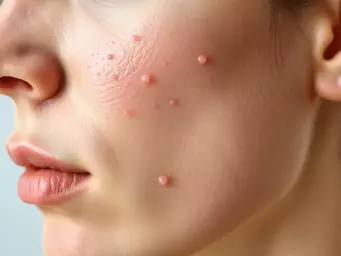
Inflammatory acne occurs when the skin's follicles become clogged with excess oil, dead skin cells, and bacteria. This leads to redness, swelling, and tenderness, often making it more noticeable than non-inflammatory acne. The two main types of inflammatory acne are papules and pustules.
- Papules: Small, raised bumps that are typically red and tender.
- Pustules: Similar to papules but filled with pus and usually have a white or yellow center.
Both types can be frustrating, but understanding their differences can help you choose the right treatment plan!
Characteristics of Papules vs. Pustules
Visual and Textural Differences
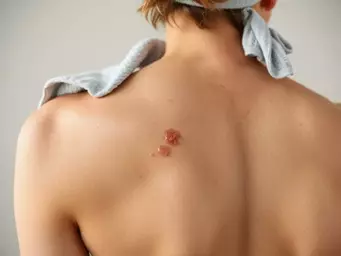
When it comes to visual appearance, papules are often firm and feel like small bumps under the skin. They tend to be red or pink and lack any visible pus. On the other hand, pustules are more pronounced. You’ll notice a white or yellow center filled with pus, making them look raised and inflamed. This visual distinction is crucial for determining how to treat your acne effectively.
Knowing the textural differences can also help; papules feel smooth to the touch, while pustules may feel softer due to their fluid content. These subtle differences bring us closer to understanding what our skin is telling us!
Developmental Stages and Symptoms
Both papules and pustules develop in stages. Initially, you may notice the skin becoming oily or congested, leading to the formation of a lesion. For papules, this stage can be uncomfortable as they often become inflamed. Pustules, while also inflamed, indicate a buildup of bacteria and pus, suggesting a more advanced stage of acne.
- Papules: Begin as clogged pores that become inflamed, leading to red bumps.
- Pustules: Start similarly, but the infection leads to pus formation, resulting in whiteheads.
Understanding these stages is essential for identifying the best treatment approach. It empowers you to choose products that target these specific issues!
Exploring Acne Vulgaris: The Most Common Form of Inflammatory Acne
Acne vulgaris is the most prevalent form of inflammatory acne, affecting teens and adults alike. It's often triggered by hormonal changes, stress, and even dietary factors. This condition is characterized by a mix of both papules and pustules, making it important to identify the right treatments.
One key aspect of acne vulgaris is the role of bacteria and sebum. The bacterium Propionibacterium acnes thrives in clogged pores, leading to inflammation and breakout formation. Understanding this connection can guide you in selecting treatments that target these factors effectively!
Understanding the Role of Bacteria and Sebum in Acne Formation
When pores become clogged with sebum, the natural oil our skin produces, it creates an environment where bacteria can flourish. This process leads to inflammation, resulting in both papules and pustules. By addressing the excess oil and managing bacteria, effective treatments can minimize breakouts and restore skin health.
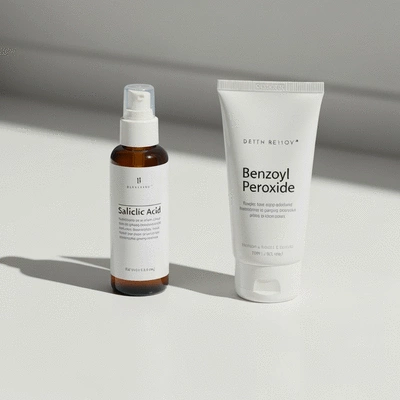
- Reduce Sebum Production: Look for products with ingredients like salicylic acid.
- Target Bacteria: Incorporate antibacterial treatments like benzoyl peroxide.
By focusing on these factors, you can take significant steps toward clearer skin and regain your confidence!
Pro Tip
To enhance your acne treatment routine, consider integrating a gentle exfoliant containing alpha-hydroxy acids (AHAs) or beta-hydroxy acids (BHAs). These ingredients help to remove dead skin cells, prevent clogged pores, and improve skin texture, making it easier to manage papules and pustules effectively.
Frequently Asked Questions About Inflammatory Acne
- What is the main difference between papules and pustules?
- Papules are small, red, raised bumps that do not contain pus, typically feeling firm. Pustules are similar but are filled with pus, often having a white or yellow center, and usually feel softer to the touch.
- What causes inflammatory acne?
- Inflammatory acne occurs when hair follicles become clogged with excess oil (sebum), dead skin cells, and bacteria. This leads to redness, swelling, and tenderness. Factors like hormonal changes, stress, and diet can also trigger it.
- Can I treat inflammatory acne at home?
- Mild to moderate inflammatory acne can often be managed with over-the-counter products containing ingredients like salicylic acid (to reduce sebum) and benzoyl peroxide (to kill bacteria). However, persistent or severe cases may require professional dermatological intervention.
- How can I prevent future breakouts?
- Prevention strategies include maintaining a consistent skincare routine, using non-comedogenic products, staying hydrated, eating a balanced diet, managing stress, and avoiding touching your face to minimize bacterial transfer.
- When should I seek professional help for my acne?
- You should consult a dermatologist if your acne is severe, painful, persistent despite home treatments, leaves significant scarring, or is associated with hormonal changes. A dermatologist can offer tailored treatment plans and explore options like chemical peels or light therapy.
Long-Term Care: Preventing Recurrence and Managing Scars
Taking a proactive approach to your skin health is crucial for preventing future breakouts and effectively managing scars. After dealing with inflammatory acne, many individuals worry about the possibility of recurrence. Here, I’ll share some effective strategies that can help keep your skin clear and healthy!
First and foremost, it's important to establish a consistent skincare routine that works for your unique skin type. This includes cleansing, moisturizing, and protecting your skin from harmful sun exposure. Incorporating products with ingredients like salicylic acid or benzoyl peroxide can also help maintain clear skin by addressing any lingering acne-causing bacteria.
Strategies for Reducing Future Breakouts
- Maintain a consistent skincare routine tailored to your skin type.
- Use non-comedogenic products that won't clog your pores.
- Stay hydrated and follow a balanced diet rich in fruits and vegetables.
- Manage stress through techniques such as yoga, meditation, or regular exercise.
- Avoid touching your face to minimize the transfer of bacteria.
By implementing these strategies, you can create a solid foundation for your skin health and reduce the likelihood of future breakouts. It’s about finding what works for you and sticking with it!
Effective Scar Management Options
Managing acne scars can often feel overwhelming, but there are various options available to help improve their appearance. Many people find success with treatments that promote skin regeneration and healing.
Exploring Chemical Peels and Light Therapy for Scar Treatment
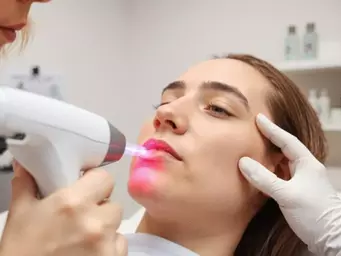
Chemical peels and light therapy are two popular options for treating acne scars. Chemical peels can help remove the outermost layers of skin, promoting faster healing and a more even skin tone.

Meanwhile, light therapy uses specific wavelengths of light to target skin concerns, helping to reduce scar visibility while stimulating collagen production. These treatments can be incredibly effective, but it’s essential to consult with a dermatologist to determine the best approach for your skin type and needs.
Seeking Professional Help: Identifying When It's Necessary
Sometimes, despite your best efforts, you might find that your acne persists or worsens. This is where seeking professional help becomes imperative. As a dermatologist, I encourage anyone struggling with acne to take this step!
Indicators for Dermatological Referral
- Severe acne that is painful or inflamed.
- Persistent breakouts that do not respond to over-the-counter treatments.
- Acne that leaves significant scarring or skin changes.
- Acne associated with hormonal changes.
If you identify with any of these indicators, don’t hesitate to reach out for professional assistance. Getting the right treatment can make a world of difference!
What to Expect During Your Dermatological Visit
At your dermatological visit, you can expect an in-depth assessment of your skin and a discussion about your medical history. This will help us to pinpoint the best course of action for your specific situation.
Understanding Acne Research and Clinical Trials for New Treatments
Additionally, dermatologists are often at the forefront of new treatments and clinical research. This means that during your visit, you might hear about emerging therapies that could be beneficial for you. Staying informed about these advancements can help you make educated decisions regarding your skin care.
Encouragement for Taking Action on Your Skin Health
Taking action on your skin health is not just about treating existing conditions—it’s about understanding your skin and making informed choices for the future! Remember, you have the power to influence your skin’s health.
Understanding Your Skin: The Path to Healthier Choices
By educating yourself about inflammatory acne and its management, you’ll be better equipped to take care of your skin. Knowledge is empowering, and I’m here to help guide you on this journey!
Connecting with Professionals and Community Resources
Don’t forget that you are not alone in this journey. Connecting with a supportive community, whether it’s through forums, social media, or local support groups, can provide valuable insights and encouragement. Sharing your experiences and learning from others can be incredibly therapeutic.
Patient Education on Inflammatory Acne Management
At Acne Clarity Hub, we prioritize educating our readers about effective acne management. I encourage you to explore our resources and learn more about how to maintain healthy, radiant skin. Remember, we’re all in this together!
Recap of Key Points
Here is a quick recap of the important points discussed in the article:
- Inflammatory acne is characterized by papules and pustules, both of which arise from clogged pores.
- Papules are small, red bumps, while pustules are similar but contain pus and have a white or yellow center.
- Effective treatment involves reducing sebum production and targeting bacteria with appropriate skincare products.
- Maintaining a consistent skincare routine and using non-comedogenic products can help prevent future breakouts.
- Seek professional help if experiencing severe, persistent, or scarring acne for tailored treatment options.