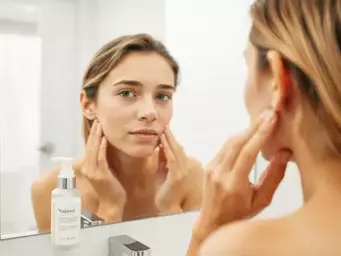

Did you know that over 50% of individuals who experience acne will develop some form of scarring? Understanding the implications of acne scars is crucial for both emotional well-being and effective treatment. Here are the key takeaways that can empower you on your skincare journey.
What You Will Learn
- Acne scarring affects about 20% of individuals with acne, highlighting the need for awareness and treatment.
- Effective acne scar treatment can lead to a 70-80% improvement in skin appearance and boost confidence.
- Understanding the types of scars—atrophic, hypertrophic, and keloid—is essential for choosing the right treatment.
- Personalized treatment plans, including consultations with dermatologists and combination therapies, can enhance results significantly.
- Post-treatment care is crucial for maintaining skin health and ensuring long-lasting results.
- Future trends in acne scar treatment may include innovative laser technologies and biologic treatments that target scar formation at the cellular level.
Acne Scarring Insights and Treatment Impact
Understanding the prevalence of acne scarring and the effectiveness of treatments can help individuals make informed decisions about their skincare journey.
Acne Scarring Prevalence
Over 50% of individuals who experience acne will develop some form of scarring. Specifically, approximately 20% will develop significant scarring.
Treatment Effectiveness
Studies show that 70-80% of patients see noticeable improvements after appropriate acne scar treatment.
Understanding Acne Scarring and Treatment Options
Have you ever looked in the mirror and noticed the marks left behind by acne? You're not alone! Acne scarring affects many individuals, impacting both their skin and self-esteem. Understanding the prevalence and impact of these scars is essential to taking the right steps toward treatment and recovery.

Acne scars can be a lingering reminder of past breakouts. In fact, studies show that over 50% of those who experience acne will develop some form of scarring. This can lead to feelings of frustration, embarrassment, and even anxiety. At Acne Clarity Hub, we believe it's vital to address not just the physical scars but also the emotional toll they can take.
Prevalence and Impact of Acne Scarring
- Approximately 20% of individuals with acne will develop significant scarring, as detailed in a study on acne scar prevalence.
- Acne scars can be categorized into various types, each with its own characteristics.
- Both teens and adults can struggle with the psychological effects of acne scarring.
Understanding these statistics helps frame the conversation around treatment options. It's more than just a cosmetic issue; it's about empowering individuals to reclaim their confidence and skin health.
Why Effective Treatment Matters
Now, you might be wondering, why is it so crucial to treat acne scars effectively? Well, effective treatment can lead to a significant improvement in skin appearance and overall quality of life. Studies show that 70-80% of patients see noticeable improvements after appropriate treatment, as highlighted in research on the effectiveness of acne scar treatments. This can translate to enhanced confidence and social interactions.
At Acne Clarity Hub, we're committed to providing you with the information you need to make informed decisions about your treatment. Each individual’s skin is unique, and treatments should be tailored to meet those specific needs.
Types of Acne Scars: Atrophic vs. Hypertrophic and Keloid Scars
Acne scars typically fall into three main categories: atrophic, hypertrophic, and keloid scars. Understanding these types is critical for effective treatment:
- Atrophic Scars: These are the most common and appear as depressions in the skin. They include boxcar, icepick, and rolling scars.
- Hypertrophic Scars: These are raised scars that are often red or dark in color, resulting from excessive tissue formation during healing.
- Keloid Scars: A more severe form of hypertrophic scars, keloids extend beyond the original wound site and can be itchy or painful.
Identifying the type of scar you have is the first step in choosing the right treatment. As a board-certified dermatologist, I’ve seen firsthand how personalized treatments can make a world of difference in a patient’s skincare journey. Remember, knowledge is power, and understanding your scars is key to moving forward!
Interactive Poll: Your Experience Matters!
We want to hear from you! Have you ever felt that acne scars have impacted your confidence? Share your thoughts below:
Summarizing the Best Approaches for Acne Scar Treatments
When it comes to addressing acne scars, a personalized treatment plan is essential. Each person’s skin is unique, and understanding the specific type of scars you're dealing with can significantly influence treatment effectiveness. At Acne Clarity Hub, we've seen how tailored approaches can lead to improved outcomes, boosting both skin health and confidence!
Here are some key takeaways to consider when creating your treatment plan:
- Identify the type of scars: Knowing whether you have atrophic, hypertrophic, or keloid scars is crucial.
- Consult a dermatologist: Professional guidance ensures the best treatment options are chosen for your skin type.
- Explore combination therapies: Often, using multiple treatments yields better results than a single option.
- Prioritize aftercare: Post-treatment care is vital for achieving and maintaining results.
By focusing on these aspects, you can create a well-rounded strategy to tackle those stubborn scars effectively!
Future Trends in Acne Scar Treatment: What to Expect
The landscape of acne scar treatment is constantly evolving, with new technologies and methods emerging regularly. As a dermatologist, I'm excited about advancements that prioritize both efficacy and safety. Future trends may include:
- Innovative laser technologies: Expect more refined laser options that minimize downtime while maximizing effectiveness. For more information on advancements, you can review a review of clinical trials on laser energy treatments for acne scarring.
- Biologic treatments: These could offer new ways to manage scar formation at the cellular level.
- Personalized skincare routines: With advancements in genetics, we might see custom regimens tailored to individual skin profiles.
Staying informed about these trends can help you make proactive decisions regarding your skincare journey. Embracing the latest options could mean better results and a smoother path towards achieving clearer skin!

Engaging with Your Treatment Journey
Preparing for Treatment: What to Expect Before and After
As you embark on your acne scar treatment journey, preparation is key! Understanding what to expect can alleviate anxiety and set realistic expectations. Generally, before treatment, you’ll want to:
- Consult your dermatologist for a thorough evaluation of your scars.
- Follow any pre-treatment guidelines provided, such as avoiding certain skincare products.
- Arrange for transportation if your treatment requires sedation or if you anticipate downtime.
After your procedure, it's crucial to follow the aftercare instructions meticulously. This might include avoiding sun exposure and adhering to a gentle skincare routine.
Frequently Asked Questions (FAQs)
How common are acne scars?
Over 50% of individuals who experience acne will develop some form of scarring, with approximately 20% developing significant scarring.
How effective are acne scar treatments?
Studies show that 70-80% of patients see noticeable improvements after appropriate acne scar treatment.
What are the main types of acne scars?
The main types are atrophic (depressed, like boxcar, icepick, and rolling scars), hypertrophic (raised, red or dark scars), and keloid scars (severe raised scars that extend beyond the original wound site).
Why is a personalized treatment plan important?
A personalized treatment plan is essential because each person's skin and scar type are unique, requiring tailored approaches for the most effective outcomes.
What are some future trends in acne scar treatment?
Future trends include innovative laser technologies, biologic treatments targeting scar formation at the cellular level, and personalized skincare routines based on individual genetic profiles.
Encouraging Patient Voices: Sharing Experiences and Outcomes
Hearing from others who have undergone similar treatments can be incredibly motivating! At Acne Clarity Hub, we encourage patients to share their stories. Engaging with a community can provide support and valuable insights into what worked for others. Here’s how you can connect:
- Join online forums or social media groups focused on acne scarring.
- Attend workshops or webinars hosted by dermatologists.
- Share your journey on your own platforms to inspire others.
These connections not only foster a sense of community but also offer real-world perspectives on treatment outcomes and personal experiences!
Follow-Up Care: Ensuring Long-Term Skin Health Post-Treatment
Once your treatment concludes, the journey doesn't end there! Follow-up care is vital for maintaining the results achieved. Here are some essential tips for ensuring long-term skin health:
- Schedule regular check-ins with your dermatologist to monitor progress.
- Maintain a consistent skincare routine, including gentle cleansing and moisturizing.
- Incorporate sun protection into your daily regimen to prevent further damage.
By focusing on follow-up care, you can help your skin stay healthy and vibrant for years to come. Remember, maintaining clear skin is a continuous journey, and Acne Clarity Hub is here to support you every step of the way!
Recap of Key Points
Here is a quick recap of the important points discussed in the article:
- Over 50% of individuals experiencing acne will develop some form of scarring.
- Effective treatment can lead to 70-80% improvement in skin appearance and quality of life.
- Identify the type of scars (atrophic, hypertrophic, or keloid) to choose appropriate treatments.
- Consult with a dermatologist for personalized treatment plans.
- Combination therapies often yield better results than single-treatment options.
- Follow-up care is critical for maintaining successful treatment outcomes.