What if the journey through life’s stages could also be a journey through your skincare? Hormonal changes can profoundly affect your skin’s health, especially when navigating pregnancy, menopause, and puberty. Understanding these shifts is not just beneficial—it's essential for effective skincare management.
What You Will Learn
- Pregnancy: Increased progesterone levels can lead to heightened oil production and acne; choosing non-comedogenic products is crucial.
- Menopause: A drop in estrogen can cause more oiliness and increase the severity of acne flare-ups, particularly around the jawline.
- Puberty: Hormonal surges, particularly testosterone, and menstrual cycles can lead to significant acne challenges during adolescence.
- Skincare Routine: Tailoring your skincare regimen to address these hormonal changes, including gentle ingredients, makes a big difference in managing acne effectively.
Hormonal Acne Triggers Across Life Stages
Understanding the impact of hormonal fluctuations on acne during key life transitions.
Pregnancy: Progesterone Surge
Increased progesterone leads to higher sebum production, clogging pores and causing breakouts. Skin sensitivity also increases.
- Key Hormone: Progesterone
- Effect: Increased sebum, clogged pores
- Management: Gentle, non-comedogenic products
Menopause: Estrogen Drop & Androgen Rise
Declining estrogen and rising androgen levels can cause increased oiliness and breakouts, often around the jawline.
- Key Hormones: Estrogen (drop), Androgens (rise)
- Effect: Increased oiliness, jawline breakouts
- Management: Adjust skincare regimen
Puberty: Testosterone Surge
High testosterone levels lead to increased oil production and frequent breakouts. Genetic factors also play a role.
- Key Hormone: Testosterone
- Effect: High oil production, frequent breakouts
- Management: Consistent skincare routine
Menstrual Cycle: Cyclical Fluctuations
Hormonal shifts throughout the cycle can trigger or worsen acne, especially before periods.
- Key Hormones: Estrogen, Progesterone (cyclical)
- Effect: Pre-period breakouts
- Management: Mindful regimen, consistent care
Understanding Hormonal Acne Triggers Across Life Stages
Have you ever noticed how your skin seems to change with different life stages? Hormonal acne can be particularly frustrating, especially during times of significant hormonal shifts. As a board-certified dermatologist, I've seen firsthand how hormonal fluctuations can influence acne at various points in our lives. Let’s dive into how these changes manifest during pregnancy, menopause, and puberty!

Understanding these hormonal shifts is crucial for managing acne effectively. From pregnancy to menopause, each stage brings its unique set of challenges, but knowledge is power! Here’s a breakdown of how hormones can impact your skin during these pivotal times.
How Hormonal Fluctuations Impact Acne During Pregnancy
Pregnancy is a beautiful journey, but it can also come with skin challenges. During this time, your body experiences a surge in hormones, particularly progesterone, which can significantly affect your skin. Understanding this impact is key to navigating acne during pregnancy.
- Progesterone Surge: This hormone increases oil production in your skin, which can lead to clogged pores and breakouts.
- Skin Sensitivity: Many women experience heightened sensitivity, making it crucial to choose the right products.
- Emotional Stress: Hormonal changes can also lead to emotional fluctuations, which can exacerbate acne.
It’s essential to recognize these factors early. By understanding how progesterone plays a role, you can make informed choices about your skincare routine. Additionally, research published by PMC NCBI highlights the specific challenges and management strategies for acne during pregnancy, emphasizing the importance of safe topical treatments.
Key Hormones Involved: Progesterone and Its Effects
Progesterone is the star player when it comes to hormonal changes during pregnancy. Its increase can lead to increased sebum production, which clogs pores and triggers acne. The key here is to balance your skincare approach with gentle, non-comedogenic products that won’t irritate your skin.
The Role of Sebum Production in Acne Development
As sebum production rises, so does the potential for acne. It’s important to adopt a skincare routine that includes lightweight moisturizers and gentle cleansers. Consider looking for products that contain natural ingredients known to help manage oil levels without causing irritation, such as witch hazel or tea tree oil.
Identifying Acne Triggers in Menopause and Perimenopause
Transitioning into menopause can be another time of hormonal upheaval and skin changes. As estrogen levels decline and androgens rise, many women may experience a resurgence of acne. Recognizing these triggers is vital for effective management. For a deeper understanding of hormonal changes during perimenopause and menopause, PMC NCBI offers valuable insights into how these shifts impact skin health and overall well-being.
- Estrogen Drop: This decline can lead to increased oiliness and acne flare-ups.
- Androgen Increase: Elevated androgen levels can lead to more severe cases of acne.
- Skin Thinning: The skin may become thinner and more sensitive, requiring gentle care.
By understanding these changes, you can better prepare yourself for what to expect during this stage of life.
Estrogen Drop and Androgen Rise: What to Expect
As estrogen levels drop, you may notice that your skin behaves differently. This shift can lead to increased breakouts, particularly around the jawline. It’s essential to adjust your skincare regimen to address these hormonal imbalances effectively.
Common Areas Affected by Hormonal Acne in Menopause
Menopausal acne often manifests in specific regions of the face, including the chin and jawline. Understanding where these breakouts occur can help tailor your skincare strategy. Keep an eye on daily habits and how they may be affecting these sensitive areas.
The Impact of Puberty and the Menstrual Cycle on Acne
Ah, puberty! A time of rapid change that comes with its own set of acne challenges. During this period, hormonal fluctuations are at their peak, causing skin to react in unexpected ways. The journal Clinical, Cosmetic and Investigational Dermatology provides comprehensive reviews on the etiology and management of acne in adolescents, highlighting the role of hormonal shifts.
- Testosterone Surge: Higher testosterone levels can lead to increased oil production.
- Menstrual Cycle: Hormonal shifts during the cycle can trigger acne flare-ups, particularly in the days leading up to your period.
- Genetic Factors: Family history can play a notable role in how your skin responds to these hormonal changes.
By understanding these triggers, we can take proactive steps in managing potential breakouts. Don't worry; you're not alone in this journey!
Understanding Hormonal Changes During Puberty
During puberty, the body undergoes significant hormonal changes that can lead to acne. It often feels like a rollercoaster ride for your skin! This is where establishing a consistent skincare routine becomes essential.
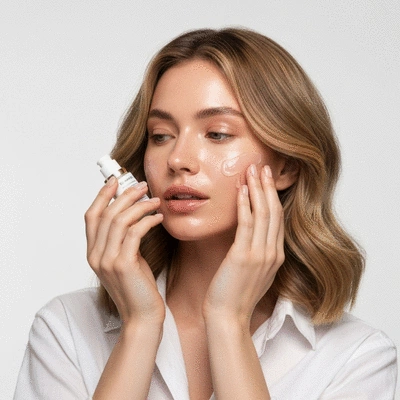
How the Menstrual Cycle Influences Acne Breakouts
For many, the days leading up to the menstrual cycle can bring unwelcome breakouts. Hormonal fluctuations throughout the cycle can exacerbate existing acne, making it important to be mindful of your skincare regimen at this time. Keeping your routine consistent can help you manage these changes effectively!
Pro Tip
Did you know that maintaining a consistent skincare routine is crucial during hormonal changes? Using non-comedogenic products, particularly those with natural ingredients like witch hazel or tea tree oil, can help manage oil levels without irritating your skin. This approach is especially beneficial during pregnancy and menopause when hormonal fluctuations are at their peak!
Frequently Asked Questions About Hormonal Acne
- Q1: What are the main hormonal triggers for acne during pregnancy?
- A1: During pregnancy, the primary trigger for acne is a surge in progesterone, which increases sebum production, leading to clogged pores and breakouts. Heightened skin sensitivity and emotional stress can also exacerbate acne.
- Q2: How does menopause affect acne development?
- A2: In menopause, a decline in estrogen levels combined with a relative increase in androgens can lead to increased oiliness and breakouts, often concentrated around the jawline. Skin thinning and increased sensitivity also occur.
- Q3: What causes acne during puberty and the menstrual cycle?
- A3: During puberty, a surge in testosterone leads to increased oil production and frequent breakouts. Throughout the menstrual cycle, hormonal fluctuations, especially before periods, can trigger or worsen acne. Genetic factors can also play a role.
- Q4: What kind of skincare products are recommended for managing hormonal acne?
- A4: It's recommended to use gentle, non-comedogenic products, especially during pregnancy and times of heightened skin sensitivity. Products with natural ingredients like witch hazel or tea tree oil can help manage oil levels without irritation. Pregnancy-safe cleansers and moisturizers are also crucial.
- Q5: Besides skincare, what other factors can help control hormonal acne?
- A5: Stress management through relaxation techniques (yoga, meditation), ensuring 7-9 hours of quality sleep nightly, and maintaining a balanced diet rich in vitamins and minerals are vital for supporting skin health and combating acne. Staying hydrated also helps.
Summarizing Key Takeaways for Managing Acne
As we’ve explored throughout this article, understanding the hormonal effects on acne during major life stages is crucial. From pregnancy to menopause, these transitions can significantly impact skin health. To recap, hormonal fluctuations play a pivotal role in acne development during these times, making it essential to tailor your skincare approach accordingly. Here are some key points to keep in mind:
- Pregnancy: Hormonal changes can trigger breakouts, but safe topical treatments can help.
- Menopause: A drop in estrogen can lead to increased oil production and acne flare-ups.
- Puberty and Menstrual Cycle: These stages often bring about significant hormonal shifts that can affect skin condition.
By recognizing these patterns, you can be better equipped to manage your skin effectively. Remember, being proactive with your skincare routine can make all the difference!
Final Tips for Maintaining Healthy Skin Through Pregnancy and Menopause
Maintaining healthy skin during pregnancy and menopause requires a thoughtful approach to skincare. As we discussed, the right products and habits can help manage acne effectively. Here are some final tips to incorporate into your regimen:
- Choose gentle, pregnancy-safe cleansers and moisturizers that won’t irritate your skin.
- Look for non-comedogenic makeup to prevent pores from clogging.
- Prioritize a balanced diet rich in vitamins and minerals to support skin health.
It's about finding what works best for you! Every individual’s skin is unique, and sometimes it takes a little experimentation to discover the perfect routine.
The Importance of Stress Management and Sleep for Acne Control
It’s no secret that stress and lack of sleep can wreak havoc on our skin. During life transitions, it's especially important to prioritize both for clearer skin. Here’s how lifestyle changes can support your journey toward healthier skin:
- Practice relaxation techniques: Yoga, meditation, or deep-breathing exercises can help reduce stress levels.
- Aim for 7-9 hours of sleep each night: Quality sleep is vital for skin repair and rejuvenation.
- Stay hydrated: Drinking plenty of water can help flush toxins and keep your skin looking radiant.
Adopting these simple yet effective strategies can have a profound impact on your skin health. A little self-care goes a long way in combating acne!
Engaging with Our Community: Share Your Experiences
How Have You Managed Acne During Pregnancy or Menopause?
I’d love to hear from you! Sharing your journey can not only help you feel connected but also provide support for others navigating similar challenges. What strategies have you found effective?
Join the Discussion: What's Your Go-To Acne Solution?
Let’s create a space where we can all learn from each other! Whether it’s a favorite product, a home remedy, or a skincare tip, your insights can empower others in our community.
Recap of Key Points
Here is a quick recap of the important points discussed in the article:
- Pregnancy: Hormonal changes, particularly increased progesterone, can lead to breakouts; choose gentle, non-comedogenic products.
- Menopause: A decline in estrogen and an increase in androgens can cause more severe acne; adjust your skincare routine accordingly.
- Puberty and Menstrual Cycle: Significant hormonal shifts can trigger acne; maintain a consistent skincare regimen during these times.
- Skincare Tips: Use pregnancy-safe cleansers, non-comedogenic makeup, and prioritize hydration and a balanced diet to support skin health.
- Stress Management: Incorporate relaxation techniques and ensure adequate sleep to help control acne flare-ups.