What if your journey to clear skin was more accessible than you thought? Understanding the world of acne treatments, from over-the-counter (OTC) options to prescription medications, can empower you to make informed skincare decisions. Let’s dive into the essential insights that can transform your approach to managing acne.
What You Will Learn
- OTC treatments are easily accessible and often cost-effective, catering to mild to moderate acne cases.
- Key active ingredients in OTC products include benzoyl peroxide and salicylic acid, both known for their effectiveness in combating acne.
- Prescription medications are typically stronger and personalized for moderate to severe acne, often including topical retinoids and oral antibiotics.
- Setting realistic expectations for treatment timelines is crucial; OTC treatments may show results in 4 to 8 weeks, while prescription treatments can take 8 to 12 weeks.
Acne Treatment Journey: OTC vs. Prescription Comparison
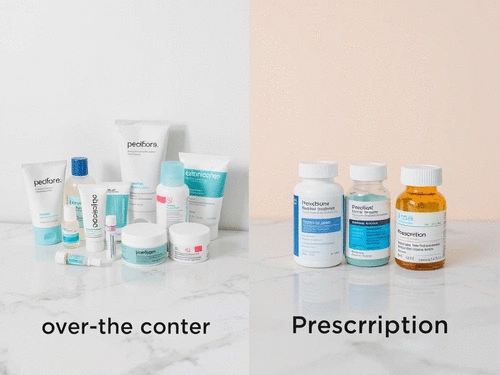
Understanding the differences between over-the-counter (OTC) and prescription acne treatments is key to informed skincare decisions. The comparison below highlights key aspects, timelines, and common ingredients for each type.
Treatment Overview
This visual outlines the core differences between Over-the-Counter (OTC) and Prescription acne treatments, including accessibility, strength, and expected timelines.
Treatment Type:
Over-the-Counter (OTC)
- ✓ Accessibility: No prescription needed, readily available at drugstores.
- ✓ Severity: Mild to moderate acne.
- ✓ Cost: Generally more cost-effective.
- ✓ Timeline: Gradual improvement over 4-8 weeks.
Treatment Type:
Prescription
- ✓ Accessibility: Requires dermatologist visit and prescription.
- ✓ Severity: Moderate to severe acne.
- ✓ Cost: Can be more expensive, may require insurance.
- ✓ Timeline: Significant changes in 8-12 weeks.
Key Ingredients:
OTC Products
- ● Benzoyl Peroxide: Kills bacteria, reduces inflammation.
- ● Salicylic Acid: Unclogs pores, exfoliates skin.
- ● Alpha Hydroxy Acids (AHAs): Promote cell turnover.
Key Ingredients:
Prescription Meds
- ● Topical Retinoids: Unclog pores, prevent new acne.
- ● Oral Antibiotics: Reduce bacteria and inflammation.
- ● Hormonal Treatments: Address underlying hormonal imbalances.
Understanding Acne Treatments: OTC vs. Prescription
When it comes to tackling acne, navigating the world of treatments can be quite a journey! At Acne Clarity Hub, I understand that knowing the difference between over-the-counter (OTC) options and prescription medications is crucial. Let’s break it down together, so you can make informed choices about your skincare.
Understanding what works best for your skin depends on various factors, including the severity of your acne, skin type, and any underlying health issues. We'll explore how both OTC and prescription treatments can play essential roles in your acne management.
Defining Over-the-Counter Acne Treatments
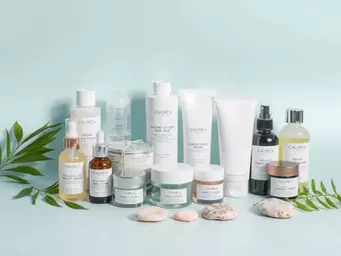
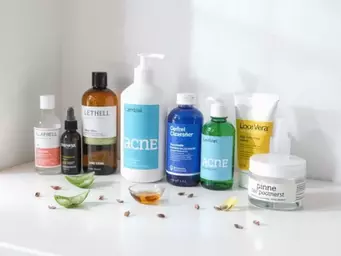
Over-the-counter acne treatments are readily available at drugstores and online, making them accessible for anyone looking to address their acne concerns. These products typically contain active ingredients designed to reduce inflammation, unclog pores, and prevent new breakouts.
- Conveniently available without a prescription
- Often cost-effective compared to prescription medications
- Wide variety of formulations to match different skin types
While OTC treatments can be effective, they may not work for everyone. It’s important to find products that suit your unique skin needs—after all, every skin is different!
What are Over-the-Counter Treatments?
OTC acne treatments are designed for mild to moderate acne cases. They often come in various forms, including gels, creams, and washes, allowing you to choose what fits best into your skincare routine. These products are typically formulated to target specific acne concerns, such as whiteheads, blackheads, and even hormonal breakouts.
Whether you're exploring cleansers or spot treatments, remember to check for dermatologist-approved options that prioritize skin health.
Common Active Ingredients in OTC Products
Many OTC products contain powerful active ingredients that can help in managing acne effectively. Some of the most common ones include:
- Benzoyl Peroxide: Kills acne-causing bacteria and reduces inflammation.
- Salicylic Acid: Helps unclog pores and exfoliate the skin.
- Alpha Hydroxy Acids (AHAs): Promote skin cell turnover for clearer skin.
Choosing products with these active ingredients can set you on the right path toward clearer skin. Just remember, patience is key, as results may take some time!
Exploring Non-comedogenic Products for Acne
When selecting OTC treatments, look for non-comedogenic products. These are specifically formulated to avoid clogging pores, which can lead to more breakouts. It’s a crucial consideration if you’re prone to oily skin or acne.
By choosing non-comedogenic options, you can help maintain a healthy skin barrier while effectively managing your acne. Always read labels carefully and consider seeking guidance from a dermatologist if you're unsure!
The Role of Prescription Acne Medications
If OTC treatments aren’t enough to control your acne, prescription medications may be the next step. These treatments are often more potent and specifically tailored to address moderate to severe cases. However, they do require a visit to a healthcare professional.
- Typically stronger than OTC options
- Personalized to treat your specific type of acne
- May include topical and oral medications
Consulting with a dermatologist can help you navigate these options and develop a comprehensive treatment plan that works for you.
What Makes Prescription Treatments Different?
Prescription treatments are often designed to tackle acne more aggressively. They can include topical treatments, like retinoids, which promote skin cell turnover, or oral medications, like antibiotics, to reduce bacteria. This targeted approach can lead to quicker results in many cases.
However, it’s essential to discuss potential side effects and ensure the treatment aligns with your skin's needs. That's where having a conversation with a specialist can be invaluable!
Key Active Ingredients in Prescription Treatments
Some key ingredients in prescription acne medications include:
- Topical Retinoids: Help unclog pores and prevent new acne.
- Oral Antibiotics: Reduce bacteria and inflammation from the inside out.
- Hormonal Treatments: Address hormonal imbalances that may contribute to acne.
Understanding these ingredients can empower you to make informed decisions about your acne treatment journey!
Understanding Topical Antibiotics and their Uses
Topical antibiotics are often prescribed to combat inflammation and reduce bacteria on the skin. They can be particularly effective for individuals struggling with inflammatory acne. However, they’re typically used in conjunction with other treatments to maximize effectiveness.
Remember, always follow your dermatologist's recommendations when using prescription medications to ensure the best outcomes for your skin!
Pro Tip
When considering your acne treatment options, always pay attention to how your skin responds. Start with one product at a time and give it at least 4 to 6 weeks before introducing another. This way, you can accurately assess which treatments are effective and avoid overwhelming your skin!
Long-Term Management of Acne Treatments
Managing acne is often not a sprint but rather a marathon, requiring patience and a well-structured approach. At Acne Clarity Hub, I emphasize the importance of setting realistic expectations when it comes to treatment timelines. Whether you're using over-the-counter (OTC) options or prescription medications, understanding what results to expect will help you stay motivated on your journey to clearer skin!
Many people wonder how long it will take to see results. Typically, OTC treatments can show noticeable improvements within a few weeks, while prescription treatments may take a bit longer. It’s essential to keep in mind that everyone’s skin is different, and factors like skin type and severity of acne can influence these timelines.
Setting Realistic Expectations for Treatment Timelines
Let’s break down what you can realistically expect from both OTC and prescription treatments:
- OTC Treatments: Expect gradual improvement over 4 to 8 weeks.
- Prescription Treatments: You may notice significant changes in 8 to 12 weeks.
- Maintenance: Continuous care is vital to prevent future breakouts.

Developing a personal skincare routine tailored to your skin's needs is crucial. Incorporating steps such as cleansing, moisturizing, and applying treatments consistently can enhance results. Remember, finding a routine that fits your lifestyle can reduce stress and make managing acne feel more manageable!
What Results to Expect from OTC vs. Prescription Treatments
With OTC products, you can generally expect to see improvements in mild acne, with active ingredients like benzoyl peroxide and salicylic acid working effectively to reduce breakouts. On the other hand, prescription treatments, especially those containing retinoids or antibiotics, can lead to more significant changes in moderate to severe cases.
It's important to note that your skin may react differently initially. Some might experience irritation or dryness as their skin adjusts to a new treatment. Patience and gentle care during this period are crucial.
Developing a Personal Skincare Routine for Acne
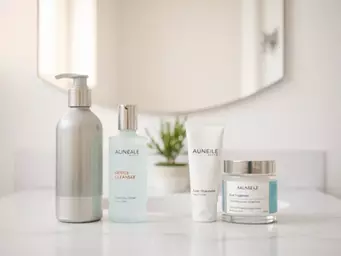
Creating a skincare routine that works for you can make all the difference in managing acne. Consider these steps:
- Cleanser: Use a gentle cleanser twice daily.
- Treatment: Apply your acne treatment as directed.
- Moisturizer: Hydration is essential, even for acne-prone skin!
- Sunscreen: Protect your skin daily with a non-comedogenic sunscreen.
Sticking to this routine and making adjustments as needed can lead to better management of your acne over time. Regular check-ins with your skin's progress can help you stay on track and make necessary changes.
Understanding Resistance and Tolerance in Acne Treatments
As your treatment progresses, you might notice diminishing effectiveness over time. This is a common issue known as tolerance. At Acne Clarity Hub, I often encourage patients to be aware of this and consult with a dermatologist if they feel their treatment isn’t working as well anymore.
Avoiding Common Pitfalls with Antibiotic Use
Using antibiotics can be effective but comes with a few caveats. Here are some tips to avoid common pitfalls:
- Follow your prescription: Always take antibiotics as directed by your healthcare provider.
- Avoid overuse: Prolonged use can lead to antibiotic resistance.
- Consult your dermatologist: Regular check-ins help assess effectiveness and make necessary changes.

By being proactive and informed, you can significantly improve your chances of success with acne treatment. It's all about working closely with your dermatologist and making adjustments based on your unique skin response!
Managing Side Effects of Prescription Treatments
It's not uncommon to experience side effects from prescription treatments. Common side effects can include dryness, irritation, or redness. If you find these effects are too uncomfortable, it’s essential to communicate this with your dermatologist. They can help adjust your treatment plan to better suit your skin's needs.
The Importance of Patient Education in Long-Term Management
Ultimately, understanding your treatment options is key to long-term management of acne. This is where education plays a vital role. At Acne Clarity Hub, I strive to empower you with knowledge about your skin and the treatments available. The more you know, the better choices you can make!
By staying informed and actively participating in your skincare journey, you can lead a more fulfilling life with clearer skin. Remember, clear skin is achievable with the right approach and support!
Frequently Asked Questions About Acne Treatments
- Q: What is the main difference between OTC and prescription acne treatments?
- A: Over-the-counter (OTC) treatments are generally for mild to moderate acne and are easily accessible without a prescription, often containing ingredients like benzoyl peroxide or salicylic acid. Prescription treatments are stronger, require a dermatologist's consultation, and are tailored for moderate to severe acne, including topical retinoids or oral antibiotics.
- Q: How long does it take to see results from acne treatments?
- A: For OTC treatments, you can expect gradual improvement over 4 to 8 weeks. Prescription treatments may show significant changes in 8 to 12 weeks. Consistency and patience are key, as individual results can vary.
- Q: What are common active ingredients in OTC acne products?
- A: Common active ingredients in OTC products include Benzoyl Peroxide (to kill bacteria and reduce inflammation), Salicylic Acid (to unclog pores and exfoliate), and Alpha Hydroxy Acids (AHAs) (to promote cell turnover).
- Q: When should I consider seeing a dermatologist for my acne?
- A: If OTC treatments are not effectively managing your acne, or if you have moderate to severe acne, it is advisable to consult a dermatologist. They can provide personalized treatment plans, including prescription medications, and help manage potential side effects.
- Q: Why is a consistent skincare routine important for acne management?
- A: A consistent skincare routine, including gentle cleansing, targeted treatment application, moisturizing, and sun protection, is crucial for enhancing treatment effectiveness, maintaining skin health, and preventing future breakouts.
Finding the Right Dermatologist for Your Acne Treatment Journey
Choosing the right dermatologist is a critical step in your acne treatment journey. The right specialist can guide you through your options and tailor a treatment plan to your specific skin concerns. Let’s explore how to find the best fit for you!
Recap of Key Points
Here is a quick recap of the important points discussed in the article:
- Over-the-counter (OTC) treatments are accessible and often cost-effective for mild to moderate acne.
- Key active ingredients in OTC products include Benzoyl Peroxide, Salicylic Acid, and Alpha Hydroxy Acids (AHAs).
- Prescription medications are typically stronger and tailored for moderate to severe acne cases, often requiring a dermatologist's consultation.
- Setting realistic expectations for treatment timelines is crucial; OTC treatments may take 4 to 8 weeks for results, while prescription options might take 8 to 12 weeks.
- Creating a consistent skincare routine can significantly enhance acne management and overall skin health.
- Regular communication with a dermatologist is vital for adjusting treatment plans and managing side effects effectively.