
Have you ever stared in the mirror and wondered what’s really going on with your skin? You’re not alone! Understanding the causes of adult acne is crucial for managing this common issue.
What You Will Learn
- Hormonal fluctuations due to menstruation, pregnancy, and menopause can trigger adult acne.
- Stress increases cortisol levels, contributing to acne breakouts.
- Aging skin loses elasticity and moisture, impacting acne development.
- Conditions like polycystic ovary syndrome (PCOS) can exacerbate adult acne issues.
- Consulting with a dermatologist can help tailor treatments to your unique hormonal needs.
- Daily habits, such as managing stress and staying hydrated, play a vital role in acne prevention.
- An effective skincare routine should include gentle cleansers, non-comedogenic moisturizers, and regular exfoliation.
- Emerging treatments, like biologics and probiotics, show promise for future acne management.
Key Factors in Adult Acne: A Visual Breakdown
Understanding the primary triggers and influences behind persistent adult acne, including hormonal shifts, age-related skin changes, and lifestyle choices, is crucial for effective management.
Understanding Adult Acne: Causes and Persistence Beyond Teen Years
Have you ever wondered why acne doesn't just disappear after your teenage years? Many adults find themselves grappling with this persistent skin issue, and it can feel like a frustrating mystery. In this section, let's explore the reasons why adult acne continues to affect so many of us!
Why Does Acne Continue After Adolescence?
Acne can remain a companion long after those teenage years, and it often starts anew for some adults. There are several factors at play here, including hormonal fluctuations, stress, and even lifestyle choices. Understanding these aspects is essential for effective management. According to research published in PMC NCBI, the persistence of acne into adulthood is a growing concern for many.
- Hormonal Changes: Fluctuations related to menstruation, pregnancy, and menopause can trigger acne.
- Stress Levels: Stress can increase cortisol levels, which may lead to breakouts.
- Lifestyle Factors: Diet and skincare routines heavily influence skin health.
As someone who's dedicated to helping others manage their skin health through Acne Clarity Hub, I recognize how critical it is to understand these triggers. Armed with knowledge, you can take the first steps toward clearer skin!
The Role of Age in Adult Acne Development
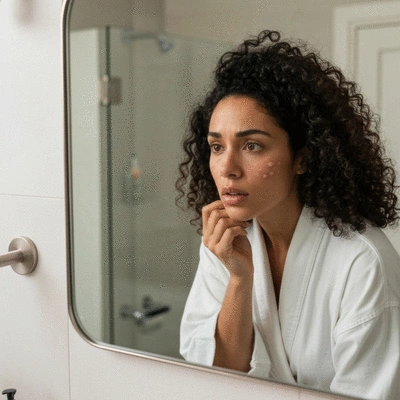
Age plays a significant role in how acne manifests in adults. Studies show that more adults are affected by acne now than ever before, and this increase correlates with lifestyle and environmental factors that change as we age. It's important to recognize that the skin's needs evolve over time. For instance, Tufts Medicine highlights that adult acne can emerge or persist well into one's 30s and beyond, often requiring different treatment approaches than teenage acne.
- Skin Changes: As we age, our skin loses elasticity and moisture, which can impact breakouts.
- Product Effectiveness: Some products that worked in our teens may not be suitable for our adult skin.
- Underlying Health Issues: Conditions like polycystic ovary syndrome (PCOS) can exacerbate adult acne.
Understanding these age-related factors empowers us to tailor treatments and skincare routines that address our unique skin needs at different life stages.
Hormonal Influences on Adult Acne
Fluctuating Hormones and Their Impact
When it comes to adult acne, hormones are often the hidden culprits. Fluctuations in hormone levels, whether from natural cycles like menstruation or medical conditions like PCOS, can lead to increased oil production and, consequently, breakouts. It's crucial to be aware of how these hormonal changes impact your skin!
Understanding Hormonal Imbalances and Adult Acne
Hormonal imbalances can create a perfect storm for acne development. Conditions such as hyperandrogenism lead to an overproduction of androgens, which can trigger acne. Recognizing the signs of hormonal imbalance is key to addressing your skin issues effectively. According to Yale Medicine, hormonal changes are a primary driver of acne, affecting both teenagers and adults.
Hyperandrogenism and Its Contribution to Acne
Elevated androgen levels play a significant role in the development of adult acne. This condition often affects women more than men and can lead to persistent breakouts and other skin issues. If you suspect hormonal issues might be at play, consulting a dermatologist can provide clarity.
We Want to Hear From You!
What has been your biggest challenge in managing adult acne? Share your thoughts below:
Effective Prevention and Management Strategies for Adult Acne
As someone who has spent years in dermatology, I understand that tackling adult acne requires a thoughtful approach. It’s not just about addressing the breakouts but also about understanding the underlying factors that contribute to them. Let’s explore some effective prevention and management strategies to help you regain control over your skin!
Comprehensive Guide to Treating Hormonal Acne
Hormonal fluctuations can wreak havoc on your skin, especially during certain life stages like menstruation or menopause. Here are some actionable strategies to help manage hormonal acne effectively:
- Consult with a Dermatologist: A professional can determine if hormonal therapy or specific medications, like birth control pills, can help regulate your hormones.
- Introduce Anti-androgen Medications: Medications such as spironolactone can block androgen production, addressing the root cause of hormonal acne.
- Incorporate Topical Treatments: Look for products containing retinoids or salicylic acid to keep pores clear and reduce inflammation.
- Maintain a Consistent Skincare Routine: Using gentle, non-comedogenic products daily can help keep your skin balanced and breakout-free.
By taking these steps, you can significantly lessen the impact of hormonal changes on your skin!
Daily Habits to Reduce Acne Triggers
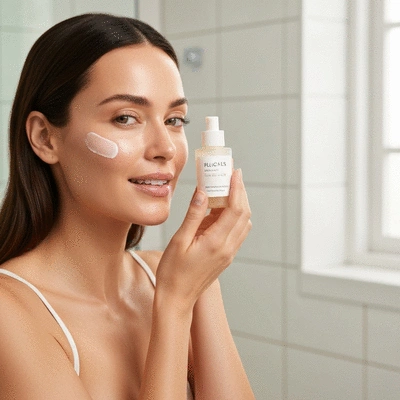
Sometimes, the smallest changes can have the biggest impact on your skin. Here are some daily habits that can help minimize acne breakouts:
- Stay Hydrated: Drinking plenty of water helps flush toxins from your body and maintains skin hydration.
- Manage Stress: Practice stress-relief techniques such as yoga, meditation, or regular exercise to lower cortisol levels.
- Follow a Balanced Diet: Consider reducing your intake of dairy and high glycemic index foods, which can contribute to acne flare-ups.
- Keep Your Skin Clean: Wash your face twice daily with a gentle cleanser to remove excess oil and impurities.
Implementing these habits not only promotes clearer skin but also enhances overall well-being!
Skincare Routine Essentials for Acne-Prone Skin
Building an effective skincare routine is crucial for managing acne. Here’s a straightforward outline for a regimen that emphasizes non-comedogenic products and gentle exfoliation:
- Cleanser: Choose a gentle, sulfate-free cleanser to remove dirt without stripping your skin of moisture.
- Toner: Opt for an alcohol-free toner to balance your skin’s pH level.
- Exfoliation: Use a mild exfoliating product 1-2 times a week to remove dead skin cells and prevent clogged pores.
- Moisturizer: Select a lightweight, non-comedogenic moisturizer to hydrate without clogging your pores.
- Sunscreen: Daily SPF application is essential, even on cloudy days! Look for oil-free formulas.
Following this routine consistently can dramatically improve the health of your skin over time. Remember, patience is key!
Looking Ahead: Future Treatments and Research in Adult Acne
As a dermatologist, I’m excited about the advancements in acne treatment. It’s a field that’s continually evolving, and new research is paving the way for more effective solutions.
Innovations in Acne Treatments for Adults
Emerging treatments show promise in targeting the various causes of adult acne. Here are some innovations to keep an eye on:
- Biologics: These targeted therapies focus on the immune system and show potential for treating severe acne.
- Probiotics: Research indicates that maintaining a healthy skin microbiome can reduce inflammation and improve skin health.
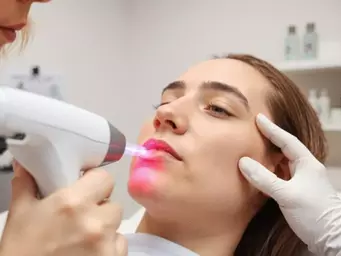
- Laser Treatments: Advances in laser technology are providing new ways to treat acne scars and active breakouts.
These cutting-edge treatments may soon become game-changers for those struggling with adult acne!
Long-Term Prevention Strategies for Healthy Skin
To maintain clear skin in the long run, it’s essential to adopt healthy habits and make informed choices. Here are some effective long-term prevention strategies:
- Regular Dermatological Check-Ups: Routine visits can help you adjust your treatment plan based on your skin’s changing needs.
- Educate Yourself: Stay informed about skincare ingredients and choose products that work best for your skin type.
- Maintain a Balanced Lifestyle: Prioritize sleep, nutrition, and stress management to support overall skin health.
By incorporating these strategies into your lifestyle, you can significantly reduce the likelihood of future breakouts and promote healthier skin!
Final Thoughts on Adult Acne Management
Adult acne can be challenging, but with the right knowledge and tools, you can conquer it! A personalized, holistic approach that combines effective treatments with lifestyle changes will empower you to take charge of your skincare journey.
A Holistic Approach to Treating Adult Acne
Embracing a comprehensive strategy that addresses both the physical and emotional aspects of acne will lead to better outcomes. Remember, you’re not alone in this journey—let’s continue to support each other toward clearer, healthier skin!
Frequently Asked Questions (FAQs) About Adult Acne
- What causes adult acne?
Adult acne is often caused by a combination of factors, including hormonal fluctuations (menstruation, pregnancy, menopause), stress leading to increased cortisol, age-related skin changes, and underlying conditions like PCOS. Lifestyle choices, diet, and skincare routines also play significant roles.
- How does age affect adult acne?
As we age, our skin loses elasticity and moisture, which can influence how acne manifests. Products that worked in our youth may become less effective, and adult skin requires tailored care. Additionally, new underlying health issues can emerge that exacerbate acne.
- Can hormonal imbalances be treated to reduce acne?
Yes, hormonal imbalances can be effectively managed. Consulting a dermatologist can help determine if hormonal therapies, such as birth control pills or anti-androgen medications like spironolactone, are suitable for regulating hormones and reducing acne breakouts.
- What daily habits can help prevent adult acne?
Key daily habits include staying well-hydrated, managing stress through techniques like yoga or meditation, maintaining a balanced diet (reducing dairy and high-GI foods), and consistently cleaning your face twice daily with a gentle cleanser.
- What are some future treatments for adult acne?
Emerging treatments include biologics, which target the immune system for severe acne; probiotics, which aim to improve skin microbiome health; and advanced laser treatments for both active breakouts and acne scars. These innovations hold great promise for more effective management.
Recap of Key Points
Here is a quick recap of the important points discussed in the article:
- Understand Triggers: Recognize that hormonal changes, stress, and lifestyle choices contribute to adult acne.
- Tailor Skincare: Adapt skincare routines to address age-related skin changes and use non-comedogenic products.
- Consult Professionals: Seek guidance from dermatologists for hormonal therapies and personalized treatment plans.
- Healthy Habits: Stay hydrated, manage stress, and maintain a balanced diet to reduce breakouts.
- Innovative Treatments: Stay informed about emerging treatments like biologics and probiotics for acne management.