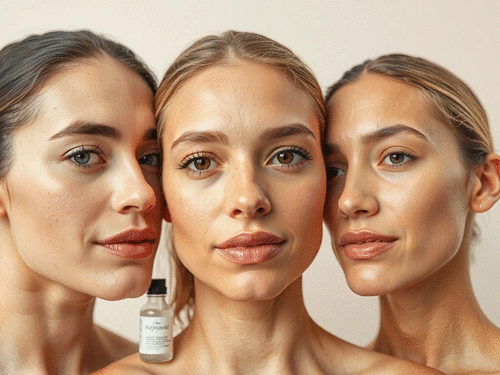
What if I told you that understanding your skin could be the key to achieving clearer, healthier complexions? In the quest for radiant skin, identifying acne triggers is your first step. This guide will unravel the essential insights you need on acne management and prevention.
What You Will Learn
- Recognize acne triggers: Hormonal changes, diet, stress, and skincare products can all contribute to breakouts.
- Understand your skin type: Identifying whether you have oily, dry, combination, or sensitive skin is crucial for effective skincare.
- Hormonal impact: Hormones play a significant role in acne development, particularly during puberty and menstrual cycles.
- Personalized prevention strategies: Tailor your skincare routine based on your unique skin type to effectively manage and prevent acne.
- Debunk common myths: Distinguish between facts and misconceptions about acne to approach treatment with confidence.
Key Acne Triggers and Prevention Strategies by Skin Type
Understanding what causes acne and how to prevent it based on your skin type is crucial for clearer, healthier skin. The visual below highlights common triggers and tailored prevention strategies.
Common Acne Triggers
- ✓ Hormonal Fluctuations: Puberty, menstrual cycles, pregnancy.
- ✓ Diet: High-glycemic foods, dairy (may exacerbate).
- ✓ Stress: Elevated cortisol levels increase oil production.
- ✓ Skincare Products: Comedogenic ingredients clog pores.
Prevention Strategies by Skin Type
- • Oily Skin: Non-comedogenic products, regular cleansing, exfoliation.
- • Dry Skin: Prioritize hydration, gentle cleansers.
- • Combination Skin: Targeted treatments for oily/dry zones.
- • Sensitive Skin: Gentle, fragrance-free products, avoid irritants.
Hormonal Influence on Acne
- • Androgens: Increase oil production, leading to clogged pores.
- • Estrogen: Fluctuations can trigger breakouts despite general skin health benefits.
- • Stress Hormones (Cortisol): Can worsen acne by influencing sebum production.
Common Skincare Myths Debunked
- ✗ Myth: Chocolate/greasy foods cause acne. Fact: No direct link established.
- ✗ Myth: Scrub skin to get rid of acne. Fact: Over-scrubbing irritates and worsens.
- ✗ Myth: Sunscreen makes acne worse. Fact: Non-comedogenic sunscreen protects from UV.
Understanding Acne Triggers: A Foundation for Prevention
Have you ever wondered what causes those pesky breakouts? Understanding acne triggers is vital for prevention and effective management! By pinpointing what spurs your acne flare-ups, you can take the first steps towards clearer, healthier skin.
Acne triggers can vary widely from person to person. These triggers include hormonal fluctuations, stress, diet, and skincare products. Recognizing these triggers allows you to make more informed choices about your skincare routine and lifestyle.
What Are Acne Triggers and Why Do They Matter?
Acne triggers are factors that contribute to the development of acne. They can create an environment where bacteria thrive and skin cells clog pores. Identifying these triggers can help you tailor your skincare regimen and avoid potential pitfalls.
- Hormonal fluctuations: Changes during puberty, menstrual cycles, or pregnancy can lead to breakouts.
- Diet: Consumption of certain foods, like dairy and high-glycemic-index foods, may exacerbate acne.
- Stress: Increased stress levels can lead to hormone surges, triggering acne.
- Skincare products: Some products may contain comedogenic ingredients that clog pores.
By understanding these triggers, you can take proactive measures to reduce their impact. This knowledge helps foster a deeper connection to your skin's health!
The Importance of Identifying Your Skin Type in Acne Management
Your skin type plays a significant role in how your skin reacts to various triggers. Knowing whether you have oily, dry, combination, or sensitive skin is crucial for selecting the right products and treatments. For instance, what works for oily skin may not be suitable for dry skin!
- Oily skin: Often produces excess sebum, leading to clogged pores.
- Dry skin: May be more prone to irritation and sensitivity.
- Combination skin: Exhibits traits of both oily and dry skin, requiring tailored care.
- Sensitive skin: Reacts easily to products and environmental changes.
Identifying your skin type not only helps in preventing acne but also enhances your overall skincare experience. This personalized approach can save you time and frustration!
How Hormones Influence Acne and Skin Type Reactions
Hormones significantly influence acne development, particularly during puberty and menstrual cycles. Hormonal acne is typically characterized by deep, cystic breakouts that can be painful and stubborn. Understanding how your hormonal fluctuations affect your skin can empower you to manage these challenges effectively.
For example, women may experience more breakouts during certain times of their menstrual cycle. By recognizing these patterns, you can adjust your skincare routine accordingly, perhaps using more targeted treatments during those times. Did you know that the gut microbiome can also impact skin health and acne, reinforcing the interconnectedness of internal and external factors?
- Androgens: These hormones can increase oil production, leading to acne.
- Estrogen: Typically helps maintain skin health, but fluctuations can trigger breakouts.
- Stress hormones: Elevated cortisol can worsen acne by influencing oil production.
By being aware of how hormones affect your skin, you can develop preventative strategies that work for you. Don't hesitate to consult with a dermatologist for personalized advice!
Quick Reflection
As you continue to explore acne management, consider how well you know your own triggers. Have you identified specific foods or stressors that seem to impact your skin? Understanding these can significantly enhance your skincare routine and overall skin health. Take a moment to reflect on your daily habits and how they might be influencing your skin!
Frequently Asked Questions About Acne Management
What are the most common acne triggers?
Common acne triggers include hormonal fluctuations (puberty, menstrual cycles, pregnancy), diet (high-glycemic foods, dairy), stress, and certain skincare products with comedogenic ingredients.
Why is it important to know my skin type for acne management?
Identifying your skin type (oily, dry, combination, or sensitive) is crucial because it dictates the most effective skincare products and treatments. What works for oily skin might irritate dry skin, and vice versa.
How do hormones affect acne?
Hormones such as androgens can increase oil production, leading to clogged pores. Estrogen fluctuations and elevated stress hormones (cortisol) can also influence sebum production and trigger breakouts.
What are some prevention strategies for different skin types?
- Oily Skin: Use non-comedogenic products, cleanse regularly, and exfoliate.
- Dry Skin: Focus on hydration and gentle, non-irritating cleansers.
- Combination Skin: Apply targeted treatments for oily zones and moisturize dry areas.
- Sensitive Skin: Opt for gentle, fragrance-free products and avoid irritants.
Are there any common myths about acne management that should be debunked?
Yes, several myths exist:
- Myth: Chocolate and greasy foods directly cause acne. Fact: No direct link has been firmly established.
- Myth: Scrubbing your skin aggressively eliminates acne. Fact: Over-scrubbing can irritate the skin and worsen breakouts.
- Myth: Sunscreen makes acne worse. Fact: Non-comedogenic sunscreen is essential for UV protection and won't exacerbate acne.
Summarizing Key Prevention Strategies for Different Skin Types
As we wrap up our exploration into managing acne, it’s essential to revisit the core prevention strategies tailored to various skin types. Each type of skin reacts differently to treatments and environmental factors, so understanding how to adapt your routine is key to achieving clearer skin. Here’s a quick summary of effective strategies:
- Oily Skin: Focus on non-comedogenic products, regular cleansing, and exfoliation to keep pores clear.
- Dry Skin: Prioritize hydration and gentle cleansers to avoid irritation while maintaining moisture balance.
- Combination Skin: Balance is crucial! Use targeted treatments for oily areas while keeping dry zones moisturized.
- Sensitive Skin: Stick to gentle, fragrance-free products and avoid known irritants to minimize flare-ups.
By implementing these targeted strategies, you can create a personalized acne prevention plan that works best for your skin’s unique needs.
Final Thoughts on Tailoring Your Acne Prevention Plan
In conclusion, tailoring your acne prevention plan is not just about choosing the right products; it’s about understanding your skin’s specific needs. Remember, everyone’s skin is unique! Take the time to observe how your skin responds to different treatments and adjust your routine accordingly. At Acne Clarity Hub, my goal is to empower you with knowledge so you can make informed decisions.
Trust the process! Sometimes, it takes a little trial and error to find what truly works for you. Don’t hesitate to consult with a dermatologist if you’re feeling uncertain about your choices.
Encouraging Consistent Skincare Routines for Long-Term Results
Consistency is key! Establishing a daily skincare routine can make a world of difference in managing acne over time. Here are some tips to help you stay on track:
- Commit to a morning and evening routine.
- Set reminders to apply treatments and follow through with your regimen.
- Track your progress to see what’s working and what needs adjustment.
By being diligent with your skincare practices, you’re not just treating acne; you’re investing in the long-term health of your skin!
Addressing Common Skincare Myths About Acne Management
Finally, let’s tackle some common myths surrounding acne management. There’s a lot of misinformation out there, and it’s essential to separate fact from fiction:
- Myth: Chocolate and greasy foods cause acne. Fact: While diet can influence skin health, there’s no direct link established.
- Myth: You should scrub your skin to get rid of acne. Fact: Over-scrubbing can irritate the skin and worsen breakouts.
- Myth: Sunscreen makes acne worse. Fact: Using non-comedogenic sunscreen is vital for protecting your skin from harmful UV rays.
By debunking these myths, you can approach your acne management with more confidence and clarity. Knowledge is power, and at Acne Clarity Hub, I strive to provide you with accurate information to support your skincare journey!
Recap of Key Points
Here is a quick recap of the important points discussed in the article:
- Identify Acne Triggers: Recognize factors like hormonal fluctuations, diet, stress, and comedogenic skincare products that can contribute to breakouts.
- Know Your Skin Type: Understanding if your skin is oily, dry, combination, or sensitive helps in selecting the right products and treatments.
- Monitor Hormonal Changes: Be aware of how hormonal shifts during puberty or menstrual cycles can influence acne development.
- Personalized Prevention Strategies: Tailor your skincare routine based on your skin type for effective acne management, including hydration for dry skin and non-comedogenic options for oily skin.
- Consistency is Key: Establish a daily skincare routine and stay committed to applying treatments to achieve long-term results.
- Debunk Myths: Understand common misconceptions about acne management to make informed decisions about your skincare.