As the seasons change, so do our skincare needs. Understanding how environmental factors influence acne breakouts is essential for effective management. Here’s what you’ll learn about seasonal acne and how to tailor your skincare routine accordingly.
What You Will Learn
- Seasonal acne can manifest differently based on environmental factors like temperature and humidity.
- Recognizing symptoms such as red, inflamed pimples or dry patches can help tailor skincare routines effectively.
- Adjusting your cleanser and moisturizer according to the season is crucial for maintaining skin health.
- Environmental changes, including pollution and air quality, can exacerbate acne, necessitating proactive skincare measures.
- Consulting a dermatologist can provide personalized recommendations and treatments for persistent seasonal acne.
Seasonal Influences on Acne Breakouts
Understanding how different seasons and environmental factors impact acne can help you tailor your skincare routine for clearer skin year-round. This visual highlights key seasonal triggers and recommended adjustments.
Summer / Hotter Months
- ● Increased Oil Production
- ● High Humidity & Sweating (Clogged Pores)
- ● Sunscreen & Sweat = Acne Mechanica
- ● Pollution & Irritation
Routine Adjustments:
- ✓ Gel cleanser
- ✓ Lightweight moisturizer
- ✓ Oil-free sunscreen
Winter / Colder Months
- ● Cold, Dry Air (Skin Dryness & Irritation)
- ● Compromised Skin Barrier
- ● Flaky Skin & Different Breakouts
- ● Exacerbated Underlying Issues
Routine Adjustments:
- ✓ Cream/hydrating cleanser
- ✓ Richer moisturizers
- ✓ Barrier repair cream
Understanding Seasonal and Environmental Influences on Acne Breakouts
As we transition through different seasons, our skin can react in surprising ways. One area I often discuss with my patients at Acne Clarity Hub is how seasonal and environmental changes can trigger acne breakouts. Understanding these influences is key to managing your skin health effectively. Let's dive into the nuances of seasonal acne and how various conditions affect our complexions.
What is Seasonal Acne and How Does it Manifest?
Seasonal acne refers to breakouts that occur during specific times of the year, often influenced by temperature, humidity, and other environmental factors. One common type is acne vulgaris, which can flare up during the hotter months due to increased oil production. On the other hand, winter may bring about dry skin, leading to different kinds of breakouts. Recognizing these patterns can help you better prepare your skincare routine.
Defining Seasonal Acne: Types and Triggers
- Hormonal fluctuations impacting oil production
- Increased humidity leading to clogged pores
- Cold air causing skin dryness and irritation
Each season presents its own set of challenges, and understanding these factors is crucial in preventing breakouts. For instance, during the summer months, sweat combined with the heavy use of sunscreen can lead to acne mechanica, a type of acne caused by friction or pressure on the skin, often associated with sweat pimples.
Common Symptoms Associated with Seasonal Breakouts
Seasonal breakouts can manifest in various ways. Typically, you may notice:
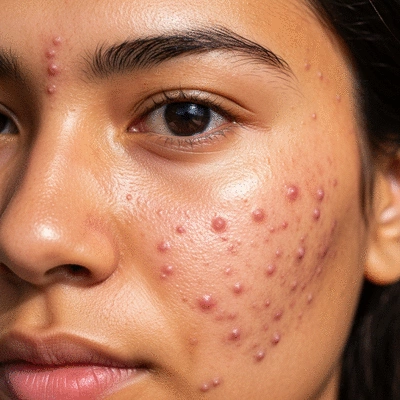
- Red, inflamed pimples
- Whiteheads and blackheads
- Dry patches or flaky skin during colder months
By being aware of these symptoms, you can tailor your skincare routine to address these issues more effectively. For example, if you notice a spike in breakouts during specific seasons, it might be time to reassess your products or consult with a dermatologist.
Impact of Weather on Acne: An Overview
Weather conditions can significantly impact our skin health. In my years of experience, I've seen firsthand how temperature and humidity can change skin behavior, leading to increased acne flare-ups. It's fascinating to realize how much our environment influences our skincare needs!
How Temperature and Humidity Affect Skin Health
- Higher temperatures can lead to increased oil production
- High humidity may cause sweating, which can clog pores
- Cold, dry air can strip moisture from the skin
These weather variables can dictate the kinds of products we should use. For instance, you might need a lighter moisturizer during the summer but a more nourishing formula in winter.
Exploring the Connection Between Environmental Factors and Acne
Besides temperature and humidity, there are other environmental factors to consider. Changes in air quality, such as increased pollution, can exacerbate existing acne issues. It's essential to stay informed about the air quality in your area, especially if you live in an urban environment.
The Role of Pollution and Air Quality in Acne Development
- Pollutants can irritate the skin and cause inflammation
- Blocked pores from dirt and grime can lead to breakouts
- Frequent exposure to harsh weather conditions can weaken skin barrier
Taking steps to cleanse your skin properly and protect it from environmental stressors can make a world of difference. At Acne Clarity Hub, we encourage our readers to adopt a proactive approach to skincare, especially when faced with challenging seasonal changes.
Pro Tip
To effectively manage seasonal acne, consider incorporating a gentle exfoliating treatment into your routine. This can help remove dead skin cells that accumulate and contribute to clogged pores, particularly during seasonal transitions. Aim for exfoliation 1-2 times a week, adjusting based on your skin's sensitivity to avoid irritation.
Summarizing the Seasonal Influence on Acne Management
As we explore the intricate relationship between seasons and acne, it's important to recognize that managing breakouts can be tailored to the changes in your environment. By understanding how seasonal factors affect your skin, you can adopt strategies that promote clearer skin all year round. Here’s a summary of key considerations for effective seasonal acne management!
Practical Tips for Preventing Seasonal Acne Breakouts
When it comes to preventing seasonal acne, your skincare routine is your first line of defense. Here are some practical tips to help you adapt your approach as the seasons change:
- **Adjust Your Cleanser:** During humid months, consider a gel-based cleanser to control excess oil. In winter, switch to a cream or hydrating cleanser.
- **Moisturize Appropriately:** Use lightweight, non-comedogenic moisturizers in summer, and richer, hydrating options in winter to prevent dryness.
- **Sunscreen is Essential:** Opt for broad-spectrum, oil-free sunscreen in the summer to protect against UV rays while avoiding breakouts.
- **Exfoliate Wisely:** Incorporate gentle exfoliation into your routine to remove dead skin cells, but tailor the frequency based on your skin's response to seasonal changes.
These adjustments will help you maintain healthy skin during any season! Remember, what works for your skin might change as the temperatures fluctuate, so stay observant and responsive to your skin's needs.
Adapting Skincare Routines to Seasonal Changes
Adapting your skincare routine is not just about changing products; it’s about understanding how environmental elements impact your skin. For instance, in summer, increased humidity can lead to more oil production, necessitating lighter products. Conversely, winter's cold, dry air may require richer, more hydrating formulations.
- **Summer Routine:** Cleanser → Lightweight Moisturizer → Sunscreen
- **Winter Routine:** Gentle Cleanser → Rich Moisturizer → Barrier Repair Cream
By customizing your routine, you give your skin the best chance to thrive, regardless of the season!
Choosing the Right Products for Different Environmental Conditions
Choosing the right products is crucial for seasonal skincare success. During the summer, look for lightweight, oil-free products to avoid clogging pores. In contrast, during winter, opt for products that emphasize hydration and barrier protection. Research from sources like the National Institutes of Health highlights the importance of tailored skincare for optimal results. Here’s a quick list of product types to consider:
- **Summer:** Gel cleansers, lightweight moisturizers, non-comedogenic sunscreen.
- **Winter:** Cream cleansers, moisturizing lotions, and hydrating serums.
Understanding how different conditions affect your skin can empower you to select products that truly work for you!
Frequently Asked Questions About Seasonal Acne
What is seasonal acne?
Seasonal acne refers to breakouts that are influenced by changes in temperature, humidity, and other environmental factors that vary with the seasons. For example, increased oil production in summer or dry, irritated skin in winter can trigger different types of acne.
How do summer and winter affect acne differently?
In summer, increased heat and humidity can lead to higher oil production and sweating, potentially causing clogged pores and acne mechanica. In winter, cold, dry air can strip moisture from the skin, leading to a compromised skin barrier, dryness, and different types of breakouts.

What role does pollution play in seasonal acne?
Environmental factors like pollution can exacerbate acne by irritating the skin and causing inflammation. Pollutants can also contribute to blocked pores, leading to breakouts, especially in urban areas.
What kind of skincare adjustments should I make for summer acne?
For summer, consider using a gel-based cleanser to control excess oil, a lightweight non-comedogenic moisturizer, and an oil-free, broad-spectrum sunscreen to protect against UV rays and prevent clogged pores.
What kind of skincare adjustments should I make for winter acne?
For winter, switch to a cream or hydrating cleanser and richer moisturizers to combat dryness. Incorporating a barrier repair cream can also help protect your skin from the harsh, dry air.
When should I consult a dermatologist for seasonal acne?
If your seasonal acne persists despite adjusting your skincare routine, or if you experience severe inflammation, persistent cysts, or scarring, it’s advisable to consult a dermatologist for personalized advice and treatment options.
Is Seasonal Acne a Temporary Condition?
Seasonal acne can often be temporary, as it tends to correlate with environmental changes. However, for some individuals, seasonal fluctuations may exacerbate underlying issues that require consistent management. If you notice patterns, it might be helpful to keep a skincare journal to track your breakouts.
What Are the Best Practices for Treating Seasonal Breakouts?
To effectively treat seasonal breakouts, consider implementing a consistent skincare routine that addresses your skin type and needs. Focus on using gentle, non-irritating products and consult with a dermatologist if your breakouts persist. Simple practices, like avoiding harsh scrubs and keeping your hands off your face, can make a big difference!
How Do Topical Retinoids and Salicylic Acid Help?
Topical retinoids and salicylic acid are powerful tools in the fight against acne. Retinoids help promote cell turnover and prevent clogged pores, while salicylic acid can deeply penetrate and exfoliate the skin. Research published in the Journal of Skin Research delves into the efficacy of these treatments. Both can be particularly effective in managing seasonal breakouts when added to your regular skincare regimen!
Encouraging an Informed Approach to Acne Care
Managing seasonal acne is about more than just products; it’s about creating a holistic approach tailored to your unique skin. At Acne Clarity Hub, we believe in empowering individuals to take an informed stance in their skincare journey. By developing a personalized strategy, you can better navigate the ups and downs of seasonal changes!
Taking Action: Steps to Minimize Seasonal Acne
To effectively minimize seasonal acne, take action by evaluating your lifestyle and skincare routine. Here are steps you can consider:
- **Assess Your Skin Needs:** Pay attention to how your skin reacts to seasonal changes and adjust your routine accordingly.
- **Stay Hydrated:** Drink plenty of water to maintain skin hydration, especially in dry seasons.
- **Tailor Your Diet:** Incorporate seasonal fruits and vegetables to support skin health.
- **Seek Professional Guidance:** Don’t hesitate to consult a dermatologist for tailored advice and treatment options.
These actionable steps can help you stay one step ahead of acne, ensuring you feel confident and clear throughout the year!
Building a Personalized Skincare Strategy for Year-Round Care
Building a personalized skincare strategy means understanding your skin's specific needs during each season. Take the time to identify your skin type and what works best for you. Remember, consistency is key! Regularly updating your routine based on seasonal changes can lead to significant improvements in your skin health.
When to Seek Professional Help for Persistent Acne Issues
If you find that your seasonal acne persists despite your best efforts, it may be time to seek professional help. Schedule a visit with a dermatologist to discuss your concerns and explore treatment options tailored to your unique skin issues.
The Importance of Consulting a Dermatologist for Acne Treatments
Consulting a dermatologist can be incredibly beneficial when managing acne. They can provide personalized recommendations, prescribe medications if necessary, and help you navigate the complexities of seasonal changes that may be affecting your skin. Remember, you’re not alone on this journey!
Recap of Key Points
Here is a quick recap of the important points discussed in the article:
- Seasonal acne is influenced by changes in temperature and humidity, leading to different types of breakouts.
- Symptoms of seasonal breakouts can include red pimples, whiteheads, and dry patches, requiring tailored skincare routines.
- To prevent seasonal acne, adjust your cleanser, moisturizer, and sunscreen based on seasonal needs.
- Understanding environmental factors such as pollution can help in managing acne effectively.
- Consulting a dermatologist is important for persistent acne issues and to develop a personalized skincare strategy.