Understanding the intricacies of acne scars can be a transformative step in your skincare journey. As you delve deeper into the types of scars and their causes, you'll gain the insights needed to make informed treatment choices. Let's explore what you will learn from this article!
What You Will Learn
- Types of Acne Scars: Familiarize yourself with atrophic, hypertrophic, and keloid scars, understanding their unique characteristics and treatment needs.
- Impact of Acne Types: Learn how different types of acne, like cystic and hormonal acne, influence the likelihood and severity of scarring.
- Effective Treatment Strategies: Discover various treatment options, including topical medications and professional therapies tailored for specific scars.
- Preventive Measures: Equip yourself with proactive skincare tips to minimize the risk of scarring before it occurs.
Acne Scar Types and Their Causes
The visual below illustrates the relationship between different types of acne and the resulting scar types, highlighting key characteristics.
Atrophic Scars
Depressions in the skin due to collagen loss during healing. Often linked to more severe inflammatory acne.
- Ice Pick: Narrow, deep
- Rolling: Wave-like appearance
- Boxcar: Defined edges, pit-like
- Cystic Acne
- Nodular Acne
- Inflammatory Acne
Hypertrophic & Keloid Scars
Raised scars due to excess collagen production during healing. These can be red or dark.
- Hypertrophic: Raised, stays within original wound boundary.
- Keloid: Aggressive, grows beyond original wound boundary.
- Deep Inflammatory Lesions
- Cystic Acne
- Hormonal Acne
Acne Types and Scarring Likelihood
Cystic Acne, Nodular Acne, Inflammatory Acne
Hormonal Acne
Comedonal Acne
Understanding Acne Scars: Types and Causes Linked to Acne Variants
Have you ever looked in the mirror and noticed the aftermath of acne? Those persistent reminders can be challenging, but understanding the types of acne scars and how they form is crucial. Here at Acne Clarity Hub, we strive to empower you with knowledge so you can make informed skincare decisions! Let's dive into the various types of acne scars and what causes them.
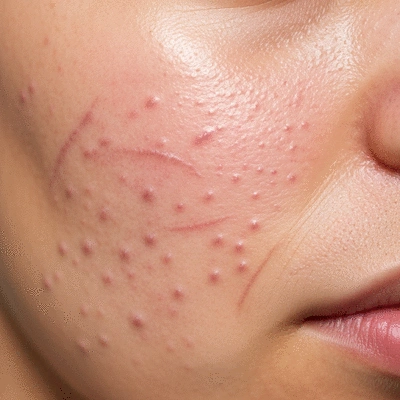
Identifying the Different Types of Acne Scars
Acne scars come in various forms, each telling a different story about your skin's journey. Identifying the specific type of scar is essential for determining the right treatment plan. Below, I've outlined the main categories:
- Atrophic Scars: These are depressions in the skin, which can appear as ice pick, rolling, or boxcar scars.
- Hypertrophic Scars: Raised scars that develop at the site of acne lesions.
- Keloid Scars: A more severe type of raised scar that extends beyond the original injury.
Each type of scar requires a tailored approach to treatment, and understanding these differences can help you choose the best path for your skincare journey!
Atrophic Scars: Ice Pick, Rolling, and Boxcar Variants
Atrophic scars are perhaps the most common type associated with acne. Ice pick scars are narrow and deep, while rolling scars have a wave-like appearance. Boxcar scars, on the other hand, have defined edges and can create noticeable pits in the skin. Addressing atrophic scars often involves treatments like microneedling or chemical peels that stimulate collagen production.
Hypertrophic Scars: Characteristics and Causes
Hypertrophic scars arise when the body produces excess collagen during healing, resulting in raised areas on the skin. These scars are often red or dark in color, and while they may fade over time, they can still be quite prominent. Treatments may include corticosteroid injections or laser therapy to flatten their appearance. It's important to tackle these scars proactively to minimize their impact on your skin!
Keloid Scars: Understanding This Unique Form of Scar
Keloid scars are a unique and sometimes challenging type of hypertrophic scar. They can grow larger than the original wound and may require specialized treatments like cryotherapy or surgical removal. If you suspect that you're prone to keloids, it's essential to approach treatment cautiously and consult a dermatologist for personalized advice.
Connecting Acne Types to Scar Development
Not all acne is created equal, and the type you experience can significantly influence the likelihood of scarring. Knowing how different acne types interact with scarring can help you understand your skin better and prepare for effective treatments.
Cystic Acne: Impacts on Scarring
Cystic acne tends to be deeper and more inflamed, making it one of the most likely types to result in scarring. Because of its severe nature, cystic acne can lead to both atrophic and hypertrophic scars. It's crucial to seek treatment early to reduce the risk of long-term damage!

Hormonal Acne: Its Role in Scar Formation
Hormonal acne, often experienced during puberty or hormonal shifts, can also contribute to scarring. The inflammation that results from these breakouts may lead to more significant skin damage, increasing the risk of both atrophic and hypertrophic scars. Treating hormonal acne effectively can help minimize scarring potential.
Nodular Acne and Its Effect on Scarring
Nodular acne presents as large, painful lumps beneath the skin's surface. Similar to cystic acne, nodular acne is inflammatory and can lead to significant scarring if not managed properly. Addressing nodular acne through targeted treatments can prevent scarring from becoming an issue.
Inflammatory Acne: Key Factors in Scar Formation
Inflammatory acne is characterized by red, swollen lesions, which can damage surrounding skin tissue during the healing process. This type of acne can lead to both atrophic and hypertrophic scars, making effective treatment essential for preventing long-term effects.
Comedonal Acne: Its Role in Scar Development
Comedonal acne, which includes blackheads and whiteheads, is generally less inflammatory and less likely to cause scarring. However, if left untreated, it can progress to more severe forms of acne, increasing the risk of scars. Maintaining a consistent skincare routine can help prevent comedonal acne from escalating.
Pro Tip
To effectively manage and prevent acne scars, consider adopting a targeted skincare routine that includes ingredients like retinoids and hyaluronic acid. These ingredients promote cell turnover and hydration, helping to improve skin texture and reduce the appearance of scars over time.
Summarizing Key Insights on Acne Scars and Prevention
Throughout our exploration of acne scars, we've uncovered essential information about their types and treatment options! Understanding your options can empower you to take steps toward clearer skin. From atrophic to hypertrophic scars, knowing the differences can help you tailor your treatment approach effectively.
To recap, here are the main types of acne scars we've discussed:
- Atrophic Scars: Ice pick, rolling, and boxcar variants.
- Hypertrophic Scars: Raised scars that form due to excessive tissue.
- Keloid Scars: Uniquely aggressive scars that extend beyond the original site of injury.
Each type requires a different treatment strategy, and I encourage you to consult with a dermatologist for a plan tailored to your specific needs. Now, let’s dive into the treatments!
Recap of Acne Scar Types and Treatments
We've covered a wide range of treatments, from topical options like retinoids to professional therapies such as laser treatments and microneedling. Each treatment has its strengths and is suited for different scar types:
- Topical Treatments: Ideal for mild scars, including retinoids, vitamin C, and salicylic acid.
- Professional Treatments: Best for moderate to severe scars, including laser therapy and punch excision. The American Academy of Dermatology Association provides a comprehensive overview of various acne scar treatments.
- Combination Approaches: Often yield the best results by integrating multiple treatment modalities.
Remember, addressing acne early can prevent scarring from worsening. A proactive skincare regimen is essential! If you're unsure which path to take, reach out to me at Acne Clarity Hub for guidance.
Final Thoughts on Preventive Measures for Scarring
Prevention is just as critical as treatment. By adopting preventative measures, you can significantly reduce the risk of scarring. Here are some strategies to consider:
- Maintain a Consistent Skincare Routine: Cleanse, moisturize, and always apply sunscreen!
- Healthy Diet: A balanced diet rich in vitamins and minerals supports skin health.
- Manage Stress: Implement stress reduction techniques, as stress can trigger acne flare-ups.
Focusing on these aspects not only helps prevent scarring but also promotes overall skin health. So, let’s work together to create a skincare routine that aligns with your unique needs!
Next Steps: Taking Control of Your Acne Journey
Consulting with a Dermatologist for Personalized Advice
Taking control of your acne journey starts with professional advice. Consulting with a dermatologist can provide you with personalized recommendations based on your skin type and concerns. Don’t hesitate to seek expert guidance—your skin deserves it!
Your Action Plan: Implementing Effective Treatment Strategies
After consulting a dermatologist, it's time to implement your action plan. This may include a mix of at-home treatments and professional interventions. Keep track of your progress and don’t be afraid to adjust your strategies as needed.
Understanding Skin Types and Their Role in Treatment
Lastly, understanding your skin type is crucial for effective treatment! Whether your skin is oily, dry, or combination, recognizing its needs will help you select the right products and treatments. Take the time to learn about your skin, and you'll be well on your way to achieving the clear, healthy complexion you desire!
Frequently Asked Questions (FAQs)
- What are the main types of acne scars?
- The main types are atrophic (depressed scars like ice pick, rolling, and boxcar), hypertrophic (raised scars within the wound boundary), and keloid (raised scars that extend beyond the original wound boundary).
- How do different types of acne influence scarring?
- More severe inflammatory acne types like cystic, nodular, and highly inflammatory acne are more likely to cause significant scarring. Hormonal acne also carries a moderate risk, while comedonal acne (blackheads/whiteheads) generally presents a low risk.
- What are some effective treatment strategies for acne scars?
- Treatment strategies vary by scar type and include topical medications (e.g., retinoids, vitamin C), professional treatments (e.g., laser therapy, microneedling, chemical peels, corticosteroid injections), and surgical options for severe cases.
- Can acne scars be prevented?
- Yes, preventive measures include maintaining a consistent skincare routine, treating acne early and effectively, avoiding picking or squeezing pimples, eating a healthy diet, and managing stress.
- Why is it important to consult a dermatologist for acne scars?
- A dermatologist can accurately identify your specific scar types and skin type, providing personalized advice and recommending the most effective treatment plan tailored to your individual needs and to help avoid potential complications. Recent research, such as studies on artificial intelligence in dermatology, also highlight the evolving tools available to specialists for diagnosis and treatment.
Recap of Key Points
Here is a quick recap of the important points discussed in the article:
- Types of Acne Scars: Understand the differences between atrophic, hypertrophic, and keloid scars.
- Effective Treatments: Utilize a combination of topical and professional treatments tailored to scar types.
- Preventive Measures: Maintain a consistent skincare routine, eat healthily, and manage stress to reduce the risk of scarring.
- Consult a Dermatologist: Seek personalized advice for the best treatment plan based on your skin type and concerns.