
What if your daily habits are silently sabotaging your skincare routine? The truth is, lifestyle choices can significantly affect your skin health, especially when it comes to acne. By understanding these connections, you can make informed decisions that lead to clearer skin.
What You Will Learn
- Diet Matters: High sugar and dairy intake can trigger acne flare-ups.
- Sleep Quality: Poor sleep disrupts hormonal balance, exacerbating acne.
- Manage Stress: High stress levels can lead to hormonal changes that worsen skin conditions.
- Essential Hygiene Practices: Regularly cleansing your face and changing pillowcases can prevent breakouts.
- Consistency is Key: Establishing healthy habits can lead to long-term improvements in skin health.
Key Lifestyle Factors Influencing Acne
Here's a breakdown of the primary lifestyle elements that can trigger or exacerbate acne, highlighting their impact and offering actionable changes for clearer skin.
Diet & Acne
Foods high in sugars and dairy can increase inflammation and oil production, leading to more frequent breakouts. Reducing their intake can significantly improve skin health.
Sleep Patterns
Poor sleep disrupts hormonal balance and increases stress, both of which are major contributors to acne. Quality sleep aids skin healing and reduces inflammation.
Stress Levels
High stress triggers hormonal changes that lead to increased oil production and inflammation, worsening acne. Managing stress is vital for clear skin.
Hygiene Practices
Inadequate skincare routines, like not removing makeup or infrequent pillowcase changes, lead to clogged pores and bacterial buildup, causing breakouts.
Understanding the Connection Between Lifestyle Habits and Acne
When it comes to managing acne, many of us might focus solely on skincare products. However, lifestyle habits play a crucial role in how our skin reacts. At Acne Clarity Hub, I’ve seen countless patients who were surprised to learn that their everyday choices could significantly impact their skin health! Let's explore the key lifestyle factors that can trigger acne and how simple changes can pave the way for clearer skin.
What Are the Key Lifestyle Factors That Trigger Acne?
Several lifestyle factors can contribute to acne flare-ups. Here are some of the most common culprits:
- Diet: Foods high in sugars and dairy can lead to increased breakouts. Research suggests that certain dietary choices, like those high in sugar, can influence acne. Additionally, some studies highlight specific foods that may exacerbate acne.
- Sleep Patterns: Poor sleep can disrupt hormonal balance, which may exacerbate acne.
- Stress Levels: High stress can trigger hormonal changes that worsen skin conditions.
- Hygiene Practices: Inadequate skincare routines can lead to clogged pores and breakouts.
By identifying and modifying these factors, you can take significant strides toward clearer skin. It’s all about finding balance and making informed choices that align with your skin’s needs!
How Do Sleep Patterns Affect Skin Health?
Sleep is more than just a time for rest; it’s a vital component of overall health, including your skin’s condition. Let’s dive into how our sleep patterns can affect our skin!
The Science Behind Sleep and Hormonal Balance
During sleep, your body undergoes critical processes that help regulate hormones. This balance is essential, as hormonal fluctuations can trigger oil production and lead to acne. When you’re not getting enough quality sleep, these hormonal balances can be disrupted, potentially leading to increased breakouts.
How Lack of Sleep Contributes to Acne Development
Not only does a lack of sleep affect hormone levels, but it also impacts your skin’s ability to heal. Insufficient rest can lead to inflammation and increased stress levels, both of which are contributors to acne. Therefore, prioritizing quality sleep is an important step in your skincare journey!
Exploring the Importance of Sleep Quality for Acne Prevention
Improving the quality of your sleep can significantly influence your skin’s health. Here are some tips to enhance your sleep quality:
- Maintain a consistent sleep schedule by going to bed and waking up at the same times each day.
- Create a calming bedtime routine to signal your body that it’s time to wind down.
- Limit screen time before bed to reduce blue light exposure, which can interfere with sleep.
- Keep your sleep environment comfortable—dark, cool, and quiet!
By focusing on these aspects, you can dramatically improve your sleep quality, leading to healthier skin and a more vibrant you!
The Role of Hygiene in Preventing Acne
Hygiene is another crucial factor in maintaining clear skin. Proper skin care routines can help prevent breakouts and ensure that your skin stays healthy. Let’s look at some essential practices for facial cleanliness!
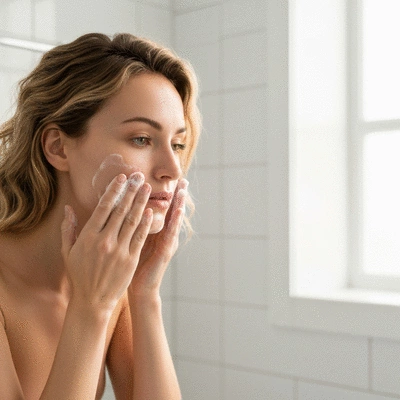
Essential Facial Cleanliness Practices
Here are some key hygiene practices to incorporate into your skincare routine:
- Wash your face twice daily with a gentle cleanser.
- Never go to bed without removing makeup—this is critical for acne-prone skin!
- Change your pillowcases and sheets regularly to minimize exposure to bacteria.
- Choose non-comedogenic products, which won’t clog your pores.
By adopting these habits, you’re not only preventing acne but also promoting overall skin health. Remember, clear skin starts with good hygiene!
Makeup Removal: Why It Matters for Acne Prone Skin
Makeup removal is absolutely essential for anyone with acne-prone skin. Leaving makeup on overnight can clog pores and lead to breakouts. Use a gentle makeup remover or micellar water to ensure that your skin is clean before hitting the pillow!
Pillowcase and Sheet Hygiene: Tips for Clearer Skin
Did you know that your pillowcase could be a hidden contributor to acne? Bacteria and oils from your skin can build up on your bedding. Aim to change your pillowcases at least once a week to keep your skin clear and healthy!
The Impact of Face Wash Choices on Acne Management
Choosing the right face wash is crucial. Look for cleansers that contain salicylic acid or benzoyl peroxide, which can help prevent breakouts. Avoid harsh ingredients that may irritate your skin, as they can lead to more oil production and worsen acne.
Pro Tip
Did you know? Regularly changing your pillowcases can significantly reduce the chances of acne breakouts. Aim to swap them out at least once a week to keep bacteria and oils from accumulating, which can clog your pores and lead to unwanted blemishes!
Long-Term Strategies for Maintaining Clear Skin
When it comes to achieving and maintaining clear skin, lasting changes in our lifestyle habits are crucial. Over time, consistent efforts can lead to significant improvements, helping you manage acne effectively. I often remind my patients that it's not just about what you do for your skin occasionally; it's about what you do for it on a daily basis!
Let’s explore how maintaining these changes can influence your skin health over time and establish habits that can benefit you for a lifetime.
How Consistency in Lifestyle Changes Influences Acne Over Time
Consistency is key! When we stick to a healthier lifestyle, we can see long-term benefits for our skin. Regular exercise, a balanced diet, and a dedicated skincare routine all contribute to a more resilient complexion. Here are some ways to ensure your changes have lasting effects:
- Commit to a daily skincare regimen that fits your skin type.
- Make a habit of exercising at least three times a week to promote blood circulation.
- Stay hydrated by drinking plenty of water throughout the day.
- Monitor and adjust your diet as needed, keeping an eye on how different foods affect your skin.

As an advocate for healthy skin, I’ve seen firsthand how dedication to these practices can lead to clearer, healthier skin over time. It’s all about finding a rhythm that works for you!
Establishing Healthy Habits for Lifelong Skin Health
Creating and maintaining healthy habits goes beyond just skincare products. It’s about an overall lifestyle that supports your skin. For instance, incorporating regular physical activity can be a game changer! Not only does exercise keep your body fit, but it also helps your skin glow.
The Importance of Regular Physical Activity for Skin Health
Physical activity boosts circulation, which in turn brings oxygen and nutrients to your skin. This is vital for maintaining that radiant complexion. Here’s how you can integrate exercise into your daily life:
- Start small with activities you enjoy, such as walking, biking, or dancing!
- Set specific fitness goals, like a certain number of steps or minutes of activity each week.
- Consider joining a class or group to stay motivated.
Working out doesn't just keep you healthy; it can also help reduce stress and balance hormones, both of which are beneficial for managing acne. As a dermatologist, I encourage everyone to find movement that brings joy to their lives!
Frequently Asked Questions (FAQs)
Can diet really affect my acne?
Yes, diet can significantly impact acne. Foods high in sugars and dairy can increase inflammation and oil production, leading to more frequent breakouts. Reducing their intake can significantly improve skin health.
How does sleep influence my skin's health?
Poor sleep disrupts hormonal balance and increases stress, both of which are major contributors to acne. Quality sleep aids skin healing and reduces inflammation, making it vital for clear skin.
What role does stress play in acne?
High stress levels trigger hormonal changes that can lead to increased oil production and inflammation, worsening acne. Managing stress through various techniques is crucial for clearer skin.
What are essential hygiene practices for preventing acne?
Essential hygiene practices include washing your face twice daily with a gentle cleanser, always removing makeup before bed, changing pillowcases and sheets regularly, and choosing non-comedogenic products to avoid clogged pores.
How important is consistency in lifestyle changes for acne management?
Consistency is key for long-term acne management. Regular exercise, a balanced diet, consistent sleep, and a dedicated skincare routine all contribute to a more resilient complexion and lasting improvements in skin health.
Are there any other lifestyle tips for combating acne?
Absolutely! Besides the points mentioned, ensure you stay hydrated by drinking plenty of water, and avoid touching your face excessively. Incorporating regular physical activity also boosts circulation and reduces stress, benefiting your skin.
Recap of Key Points
Here is a quick recap of the important points discussed in the article:
- Diet Matters: Foods high in sugars and dairy can trigger acne flare-ups.
- Prioritize Sleep: Quality sleep is vital for hormonal balance and skin health.
- Manage Stress: High stress can worsen acne through hormonal fluctuations.
- Maintain Hygiene: Regularly wash your face and change pillowcases to prevent breakouts.
- Stay Consistent: Long-term lifestyle changes are essential for maintaining clear skin.
- Exercise Regularly: Physical activity boosts circulation and reduces stress, benefiting your skin.